


Not all roads lead to the same destination; some take you straight into the past. Across the United States, you can still travel the same paths once used by explorers, settlers, and traders long before the interstate system connected the nation. These historic highways tell the story of America’s growth, one mile at a time.
Whether you’re a history buff or a road trip lover, these historic routes you can still drive today offer the perfect blend of nostalgia, scenery, and adventure.
As an Amazon associate, we earn from qualifying purchases at no additional cost to you. There may be some other affiliate links also, which also won’t cost you a thing. Thanks for your support.
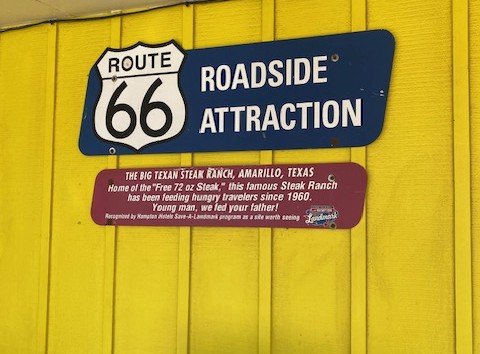
Route 66: The Mother Road of America
Few drives are as iconic as Route 66, the legendary “Mother Road.” Though officially decommissioned in 1985, nearly 85% of the original route remains drivable, stretching 2,400 miles from Chicago to Los Angeles. Some sections still feature the original nine-foot-wide “sidewalk highway” a testament to early automotive travel. Although US Route 40 changed cross-country travel with faster speeds, Route 66 is still loved by many.
Fun Fact: Route 66 became America’s first fully paved highway in 1938; forever changing cross-country travel.
Learn more about the Mother Road: Arizona Route 66 Guide and New Mexico Route 66 Guide

Lincoln Highway: America’s First Cross-Country Road
The Lincoln Highway, established in 1913, was the first transcontinental auto route, spanning 3,000 miles from New York City to San Francisco. It set the stage for the federal highway system.
Many sections are still drivable, though locating it requires patience and research. The Lincoln Highway Association maintains detailed maps showing various realignments from different eras.
You’ll find historic roadside diners, vintage motels, and a few brick-paved stretches that survived modern paving. Near Elkhorn, Nebraska, preservationists have protected a brick-paved stretch of the highway.
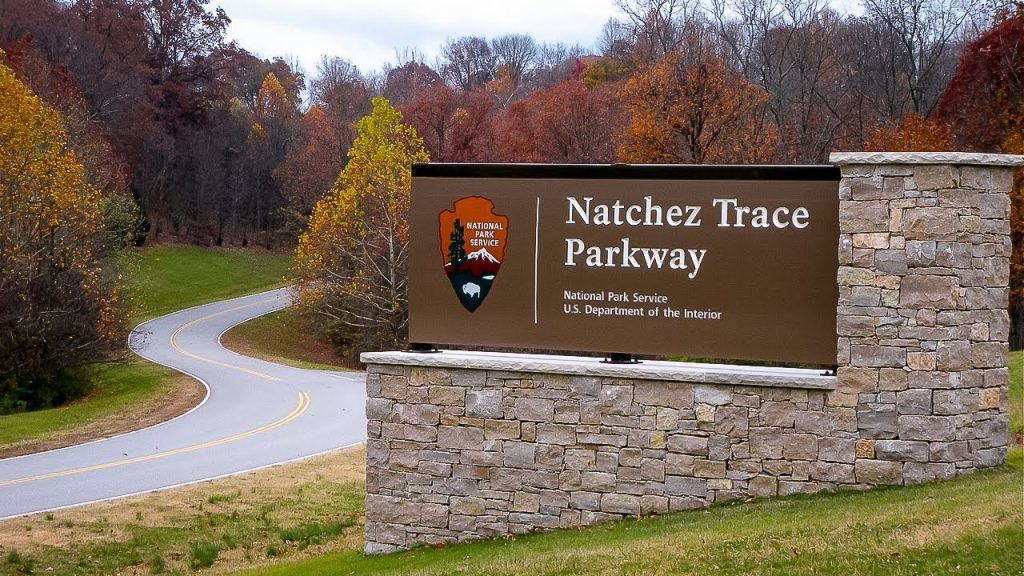
Natchez Trace Parkway: From Ancient Path to Peaceful Drive
Spanning 444 miles through Mississippi, Alabama, and Tennessee, the Natchez Trace Parkway follows a route once used by indigenous peoples, traders, and early settlers. What was once a dangerous footpath is now a beautifully maintained scenic byway with no commercial traffic, and a leisurely 50 mph speed limit.
The drive connects Natchez, Mississippi to Nashville, Tennessee, offering lush landscapes, historic markers, and serene pullouts.
Pro tip: Step off the road to walk preserved sections of the original Old Trace for a haunting glimpse into the past.
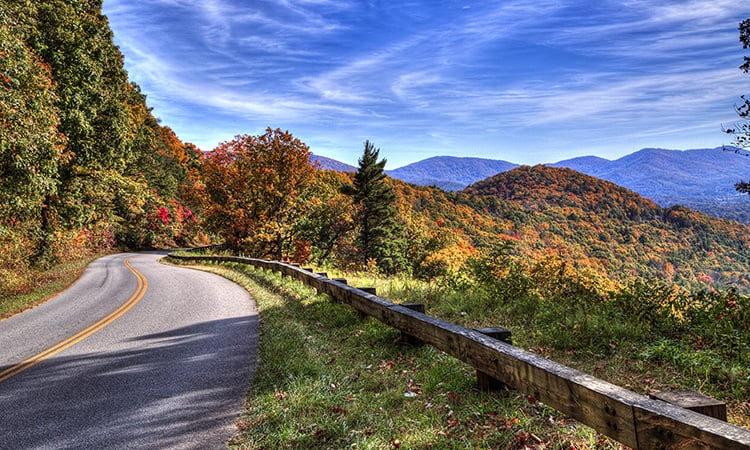
Blue Ridge Parkway: America’s Favorite Scenic Drive
The Blue Ridge Parkway connects Shenandoah National Park in Virginia to Great Smoky Mountains National Park in North Carolina, winding 469 miles along the Appalachian Mountains. Built as a New Deal project in 1935, the parkway quickly became one of America’s most loved scenic routes.
Every few miles, you’ll find overlooks offering jaw-dropping views of forested valleys and mountain ridges.
Travel tip: Autumn is the most stunning time to visit. Expect golden leaves and crisp mountain air for a perfect fall drive.

Santa Fe Trail: Trading Route of the Southwest
From 1821 to 1880, traders traveled the 900-mile Santa Fe Trail between Missouri and New Mexico, linking the U.S. with Mexican markets. While the full route isn’t drivable today, the Santa Fe Trail National Scenic Byway follows much of its historic path along U.S. 56.
Near Dodge City, Kansas, wagon wheel ruts carved deep into the earth still mark where traders once passed.
Pro Tip: Visit the NPS website to learn more about the trail and places to stop. When you are in a town on the trail, use the National Park Service app to find places to visit.
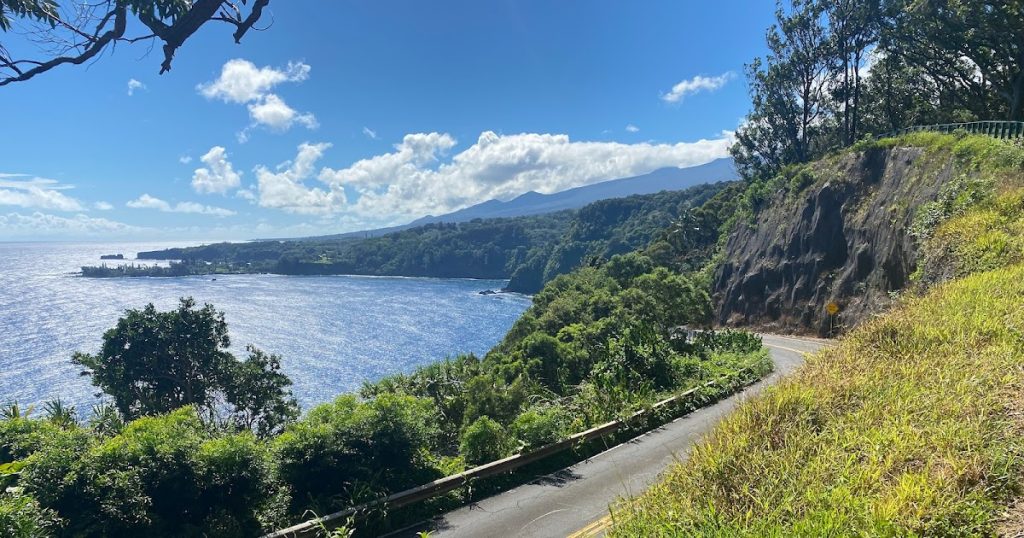
Hana Highway: Hawaii’s Historic Coastal Road
Winding along Maui’s lush eastern coastline, the Hana Highway follows a route built in the 16th century under King Pi’ilani. Today’s 52-mile road from Kahului to Hana offers 620 curves, 59 bridges, and endless natural beauty; from waterfalls and black sand beaches to bamboo forests.
Take your time. The drive may only be 52 miles, but it’s one of the most breathtaking (and slowest) in the world.
Pro Tip: Take along a small notebook when you’re traveling so you can jot down places and things you want to remember. I like a small notebook, so it fits in my purse or suitcase. This notebook from Amazon is the one I use.

Going-to-the-Sun Road: Glacier National Park’s Crown Jewel
This 50-mile masterpiece climbs across the Continental Divide at Logan Pass (6,646 ft) in Montana’s Glacier National Park. Completed in 1932 after 11 years of construction, the road clings to cliffs and offers incredible alpine views.
Open only in summer, the route features landmarks like the Weeping Wall and crystal-clear alpine lakes. Early mornings are best to avoid crowds and capture sunrise light over the peaks.
Pro Tip: Don’t forget your favorite camera, you’re sure to take plenty of pictures. I love this camera from Canon, the Powershot A4000. It’s small enough to fit in my purse and takes great pictures.
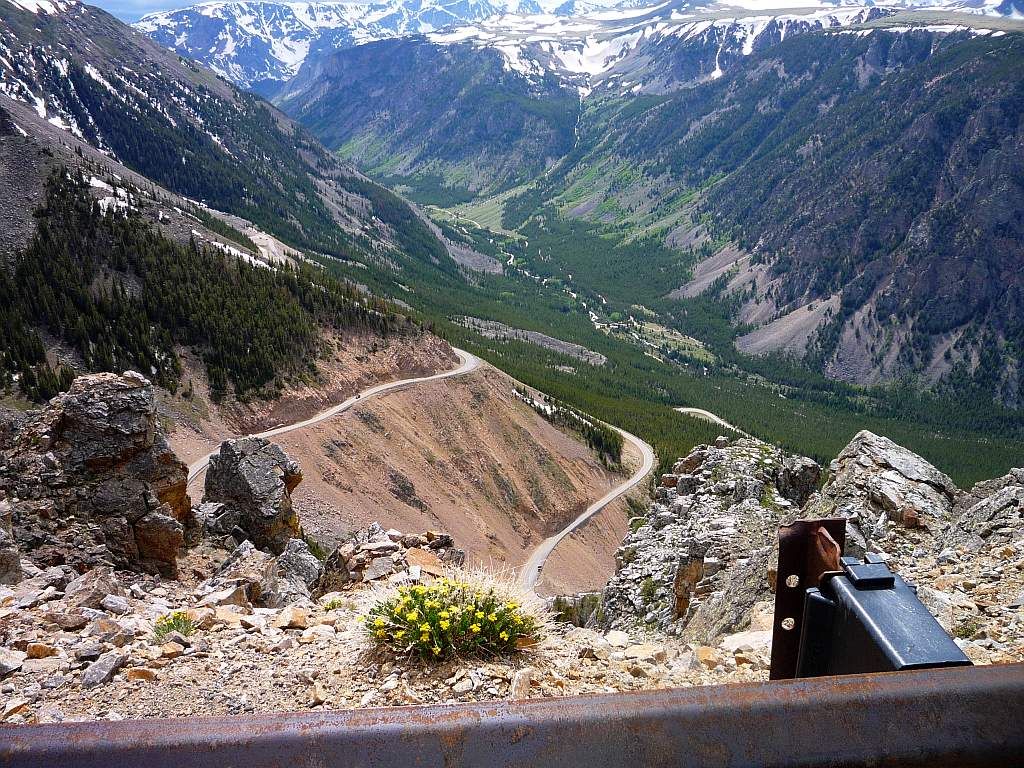
Beartooth Highway: High Adventure in Montana
Called “the most beautiful drive in America” by Charles Kuralt, the Beartooth Highway climbs to 10,947 feet at Beartooth Pass. The 68-mile route connects Red Lodge, Montana, to Cooke City, providing one of the most scenic approaches to Yellowstone National Park.
Expect alpine lakes, endless mountain views, and even snow in July. The road closes in winter, typically from mid-October through late May, when snowmobilers claim the route instead.
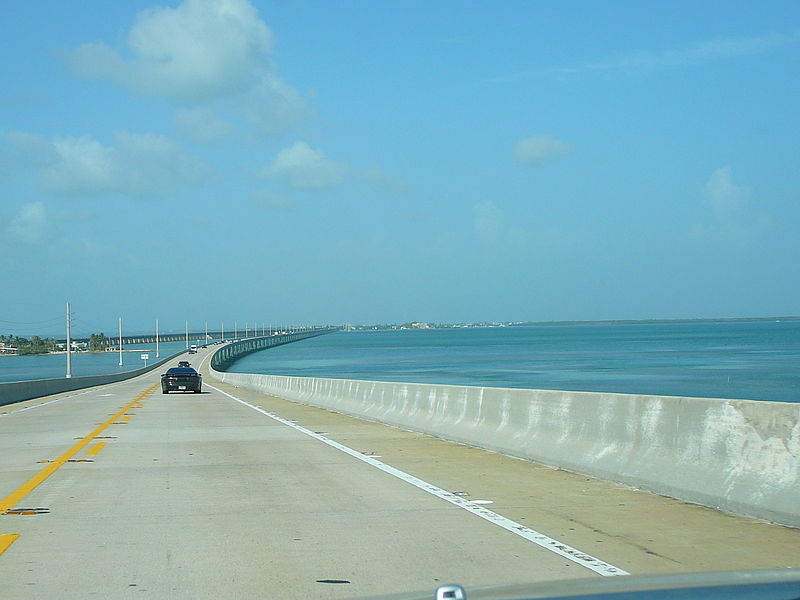
Overseas Highway: Florida’s Bridge to Paradise
Connecting Florida City to Key West, the 113-mile Overseas Highway crosses 42 bridges, including the famous Seven Mile Bridge. Originally built from the remains of Henry Flagler’s railroad after the 1935 hurricane, it’s now one of the most iconic coastal drives in the U.S.
Stop at state parks, beachside tiki bars, and old railroad bridges now turned into walking trails. It may only be 113 miles, but plan on spending many hours on this drive because you’re sure to stop a number of times.
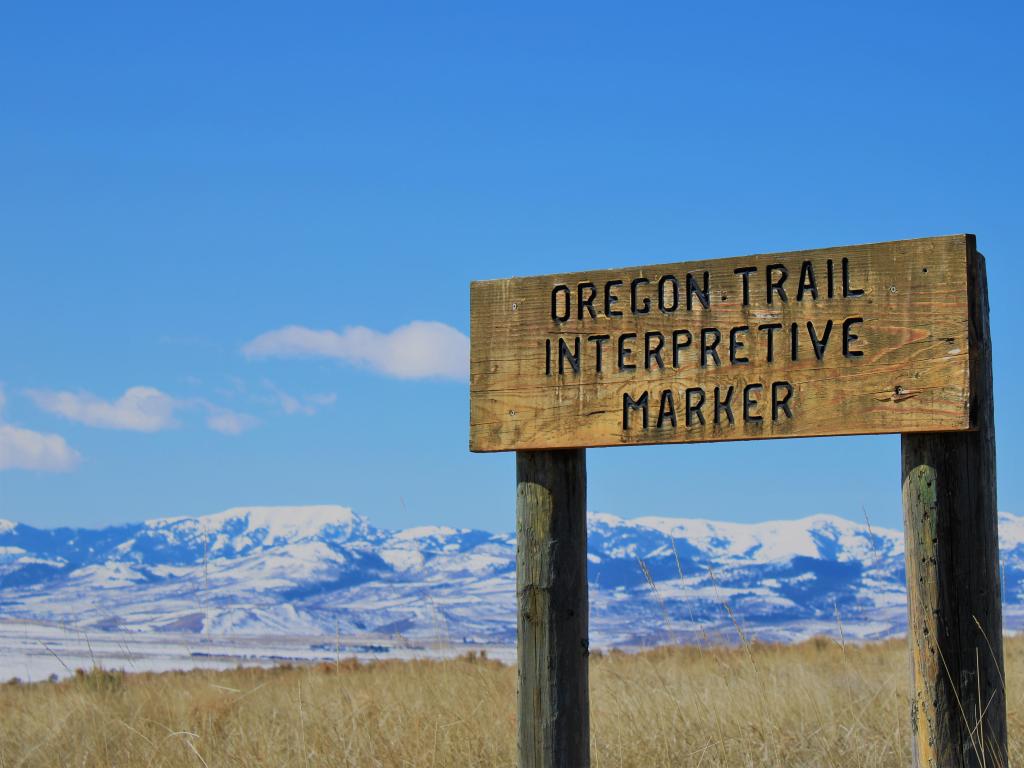
Oregon Trail: The Path of Pioneers
Between 1843 and 1869, nearly 400,000 settlers journeyed west on the Oregon Trail, seeking new lives in the Willamette Valley. Today, you can trace much of this legendary route through Nebraska, Wyoming, Idaho, and Oregon.
You can’t drive the entire original trail. Much has disappeared under farms, cities, and modern highways. But preserved segments exist throughout Nebraska, Wyoming, Idaho, and Oregon, many listed on the National Register of Historic Places. Wagon ruts remain visible at several sites. Interpretive centers along highways like U.S. 26 and Interstate 84 mark the general path.

National Road: America’s First Federal Highway
Built beginning in 1811, the National Road was the first federally funded interstate project, stretching from Cumberland, Maryland, to Vandalia, Illinois. The route still exists as U.S. Route 40, passing through charming small towns and historic landmarks in Maryland, Pennsylvania, Ohio, Indiana and Illinois.
Look for stone bridges, mile markers, and original stretches that remain preserved today. Having just driven a lot of Route 40, I can attest that you’ll definitely find a lot of markers along the way. If you’re a history buff, this road is for you.
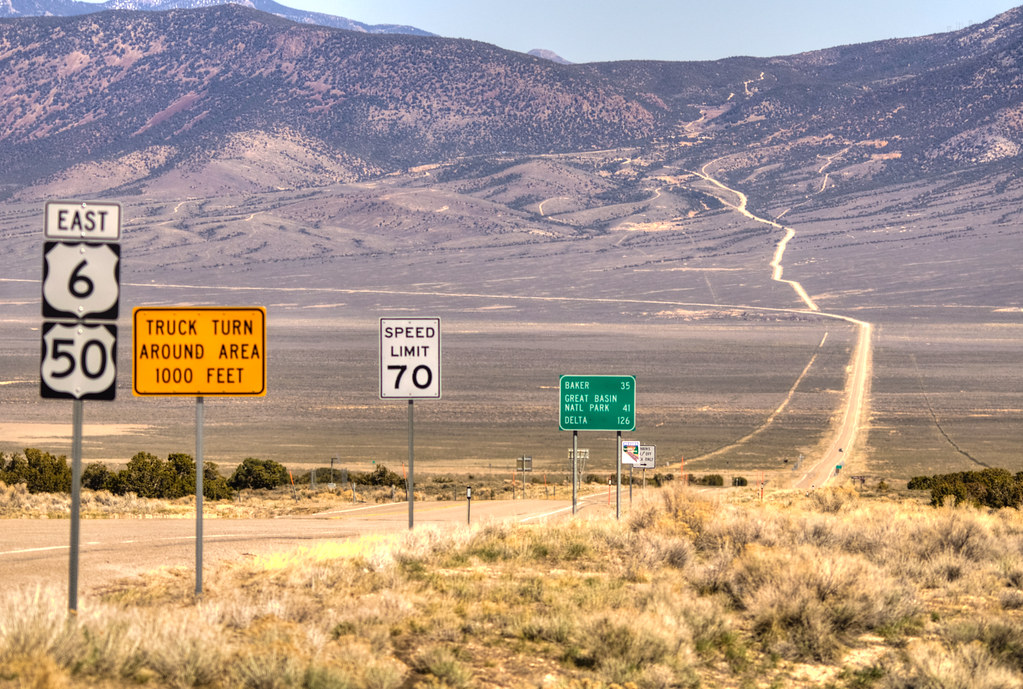
California Trail: Gold Rush Gateway
The California Trail carried more than 250,000 hopeful miners and settlers west during the Gold Rush era (1841–1869). You can still explore preserved trail segments in Wyoming, Nevada, and California, especially along U.S. Route 50 dubbed “The Loneliest Road in America.”
Learn more: Nevada’s Loneliest Road in America
Wagon ruts and historic markers reveal the hardships of early westward expansion. The Central Overland Route, surveyed in 1859, follows what’s now Highway 50 through central Nevada.
Mormon Pioneer Trail: The Path to Zion
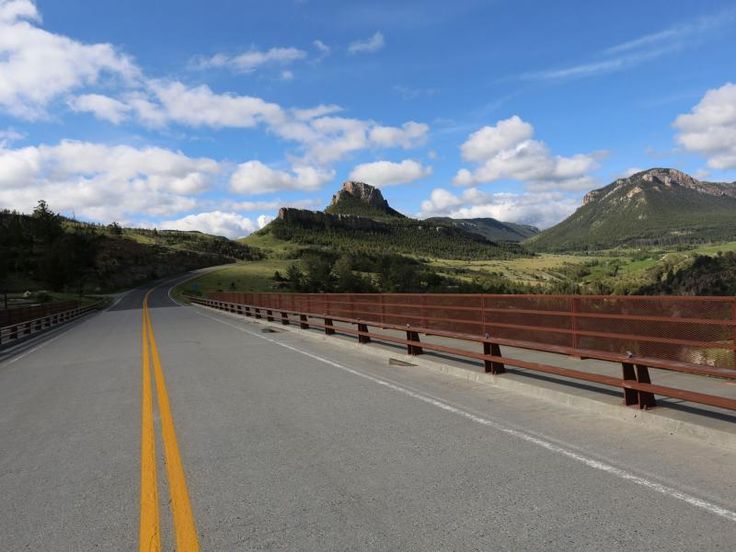
From 1846 to 1868, nearly 70,000 Mormon pioneers journeyed 1,300 miles from Illinois to Utah, led by Brigham Young. Modern travelers can follow their path along Interstate 80 and see preserved sites in Iowa, Nebraska, and Wyoming.
This trail is part of the National Historic Trail System, with interpretive centers sharing stories of faith and perseverance. If you want to plan a trip on this trail, check out the NPS website for more details.
El Camino Real de Tierra Adentro: The Royal Road to Santa Fe
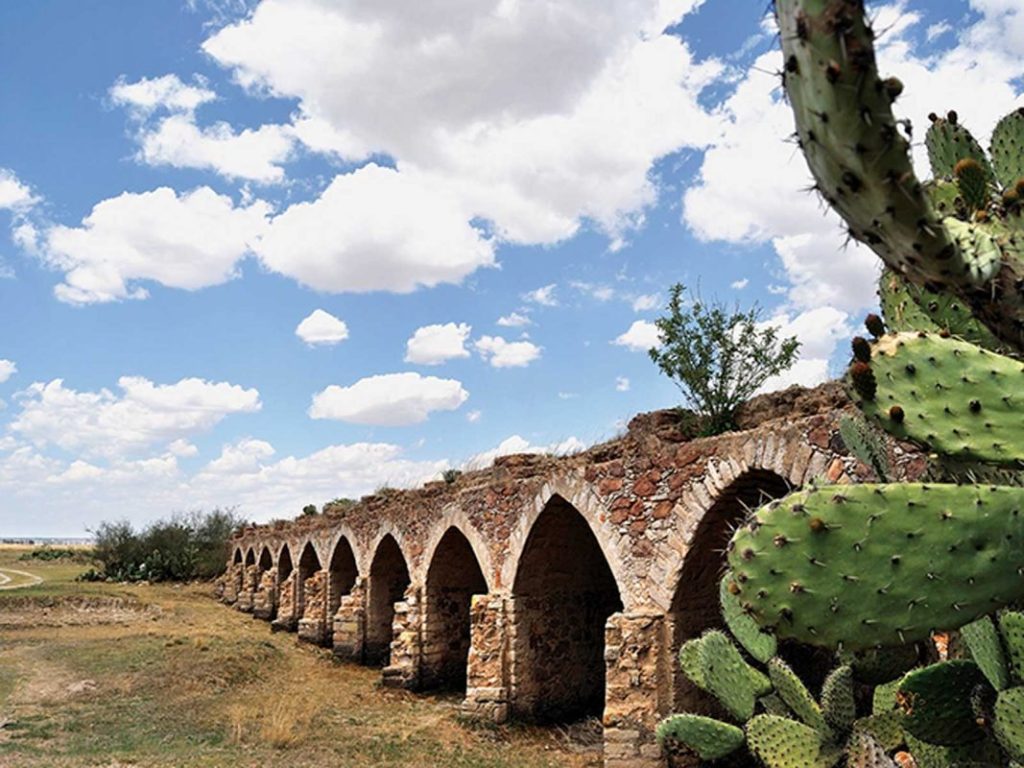
Dating back to 1598, El Camino Real de Tierra Adentro once linked Mexico City to Santa Fe, serving as a major trade route for over 300 years. Today, much of the route through New Mexico follows Interstate 25, with historical sites like San Miguel Mission, one of the oldest churches in the United States and centuries-old waypoints are still accessible.
It’s one of North America’s oldest continuously used routes and a living link to the Spanish colonial era.
Final Thoughts: Drive Through History
These roads aren’t just scenic byways, they’re living museums paved with stories of discovery, migration, and adventure. From the Mother Road of Route 66 to the Blue Ridge Parkway’s mountain majesty, each historic route offers travelers a chance to connect the past with the present one mile at a time. Each curve, bridge, and overlook tells a story of innovation, struggle, and exploration.
So next time you hit the road, skip the interstate and take one of these legendary routes instead. You’ll discover not only where you’re going -but where we’ve been. If you’re planning a road trip on one of these historic roads and need ideas on places to eat, visit, etc. check out roadtrippers.com. They have a lot of information that can help. Use code BTR5QTP to save $5.
We love to share information and tips we learn along the way to help you plan your next trip or just learn about fun places to visit. We hope to inspire you to find your adventures, have lots of fun and make many memories.