

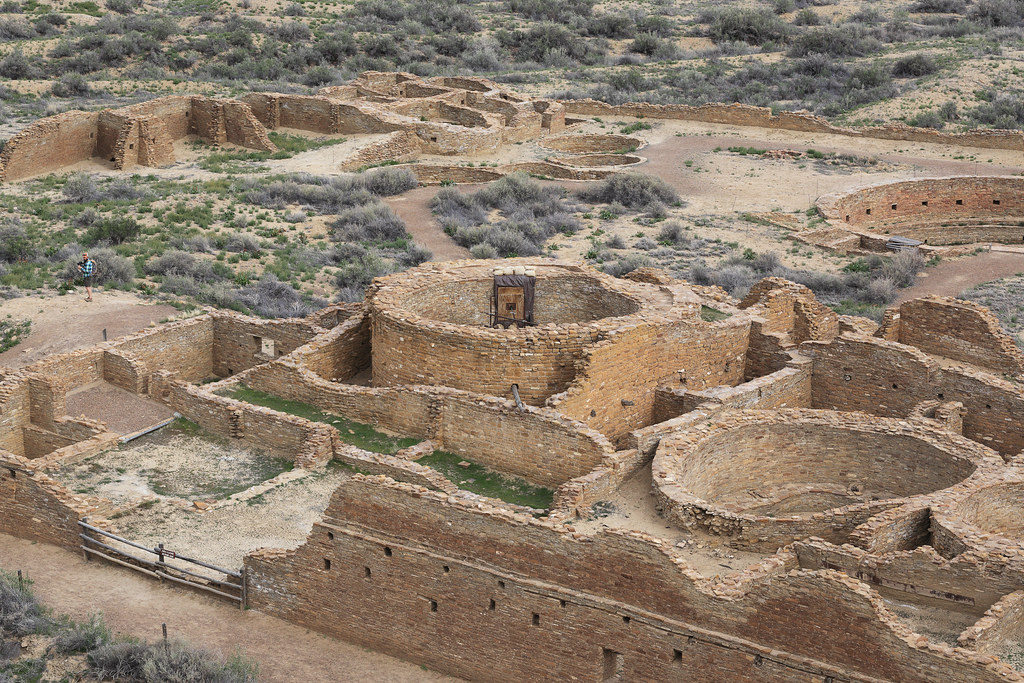
From ancient cliff dwellings and Indigenous cultural landmarks to towering waterfalls and active volcanoes, the United States is home to some truly incredible UNESCO World Heritage Sites. These destinations are recognized for their cultural, historical, and natural importance to humanity, making them some of the most meaningful places you can visit.
Whether you love history, national parks, archaeology, architecture, or epic landscapes, these UNESCO sites deserve a spot on your travel bucket list.
As an Amazon affiliate, when you click on any of the links on this page and make a purchase, we may earn a small commission, at no cost to you! By using our affiliate links, you’ll find our favorite picks and support us at the same time. And we really appreciate your support!
What Is a UNESCO World Heritage Site?
A UNESCO World Heritage Site is a place recognized by the United Nations Educational, Scientific and Cultural Organization (UNESCO) as having outstanding cultural, historical, scientific, or natural significance.
These sites are protected because they represent some of the most important places on Earth. In the United States, UNESCO sites range from ancient Native American settlements to iconic national parks and architectural masterpieces.

Types of UNESCO World Heritage Sites
UNESCO World Heritage Sites fall into three categories:
Cultural Sites
Historic landmarks, cities, archaeological sites, architecture, and cultural landscapes.
Natural Sites
National parks, ecosystems, geological formations, and wilderness areas.
Mixed Sites
Rare destinations that are recognized for both cultural and natural significance.
Pro Tip: If you like recording things about your travels, this book, UNESCO World Heritage Journal lets you mark off places you visit and make notes.
Best UNESCO Cultural World Heritage Sites in the USA
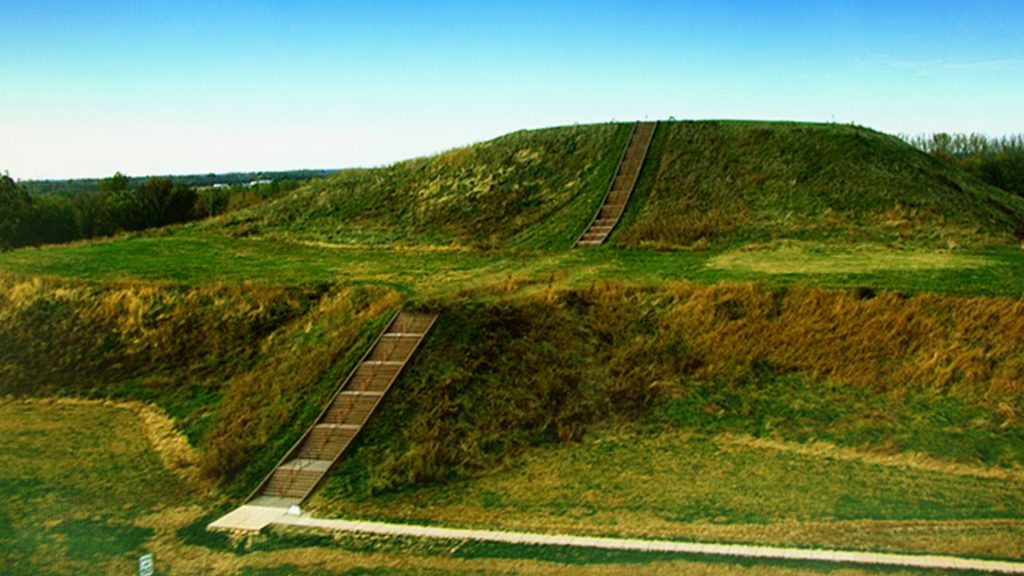
Cahokia Mounds State Historic Site
Near present-day St. Louis sits the largest pre-Columbian settlement north of Mexico. Around 1100 CE, Cahokia was one of the largest cities in North America, covering more than 4,000 acres with massive earthen mounds and a population estimated at 20,000 people.
Today, visitors can walk among the ancient mounds and learn about the advanced Mississippian culture that once thrived here.
Chaco Culture National Historical Park
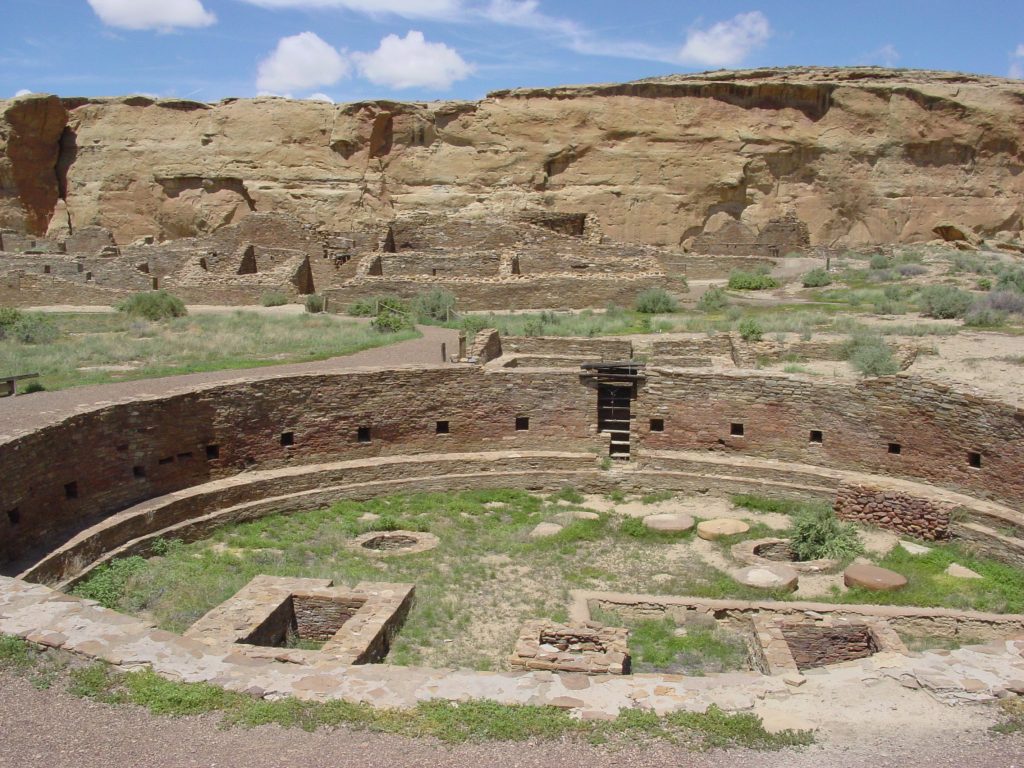
Hidden in the deserts of northwestern New Mexico, Chaco Canyon was once a major center of Pueblo culture between 850 and 1250 CE.
Massive stone structures, ceremonial sites, and astronomical alignments make this one of the most fascinating archaeological destinations in the Southwest. Chaco remains sacred to many Indigenous communities, so respectful visitation is important.
Hopewell Ceremonial Earthworks
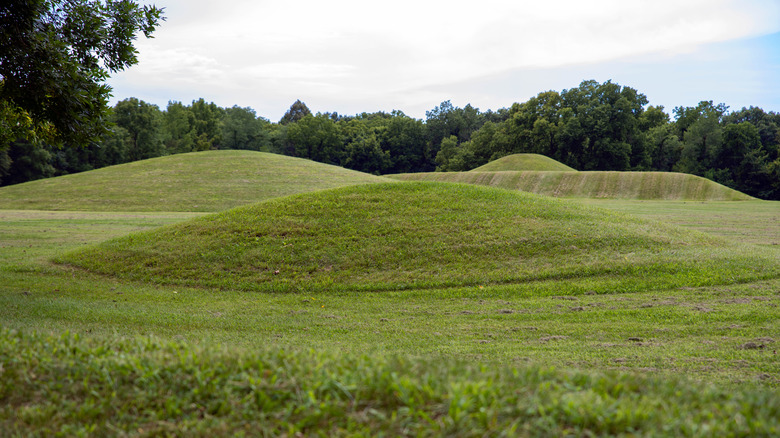
These enormous geometric earthworks were built more than 2,000 years ago by Indigenous peoples of the Hopewell culture. Located in Chillicothe, Ohio this series of eight earthen enclosure complexes.
The scale and precision of the earthworks are remarkable, showcasing sophisticated engineering and ceremonial traditions long before European settlement.
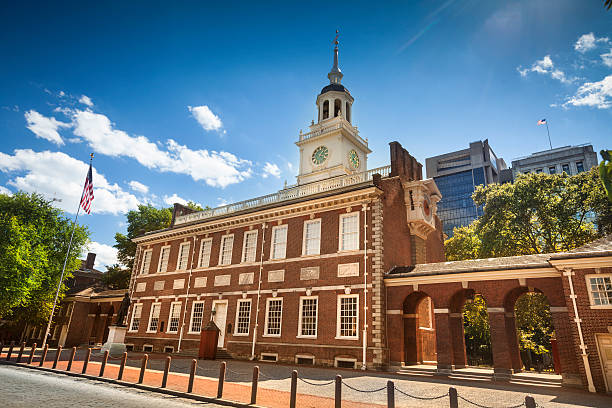
Independence Hall
One of the most important historic buildings in the United States, Independence Hall is where both the Declaration of Independence and the U.S. Constitution were debated and signed.
Nearby, visitors can also see the Liberty Bell and explore the surrounding historic district in Philadelphia.
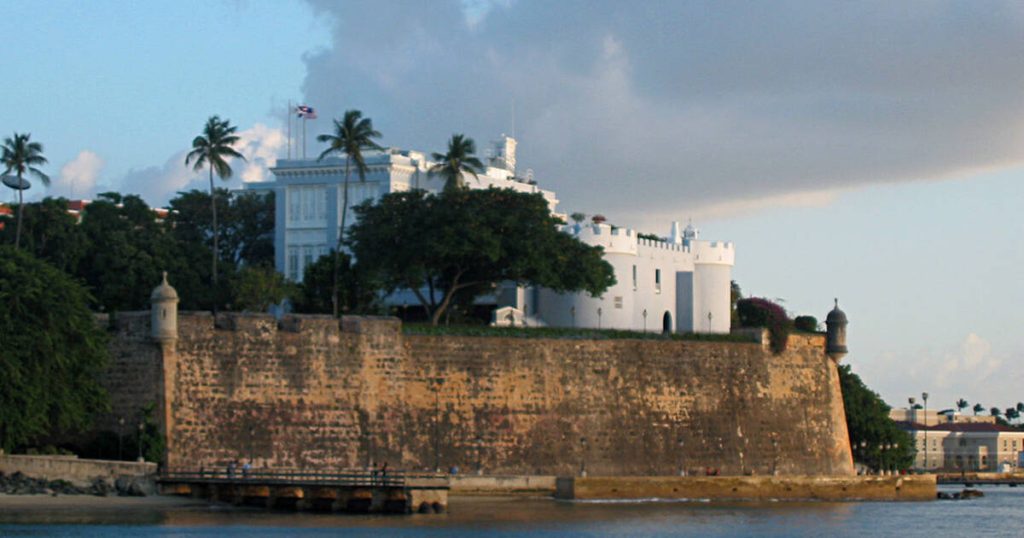
La Fortaleza and San Juan National Historic Site
These massive forts protected San Juan for centuries as European powers fought for control of the Caribbean.
Walking the old stone walls, tunnels, and fortresses feels like stepping into another era of colonial history.
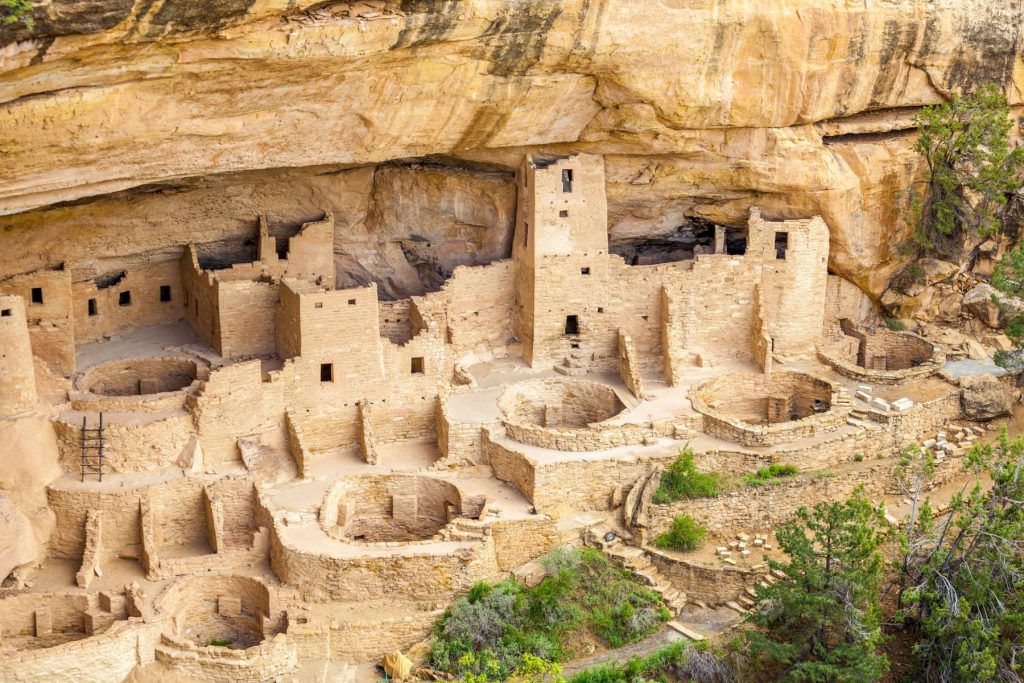
Mesa Verde National Park
Mesa Verde preserves some of the best-known cliff dwellings in North America. Built by the Ancestral Pueblo people more than 700 years ago, the stone communities tucked into canyon walls are both beautiful and historically significant.
This Colorado park is also an International Dark Sky Park, making it fantastic for stargazing.
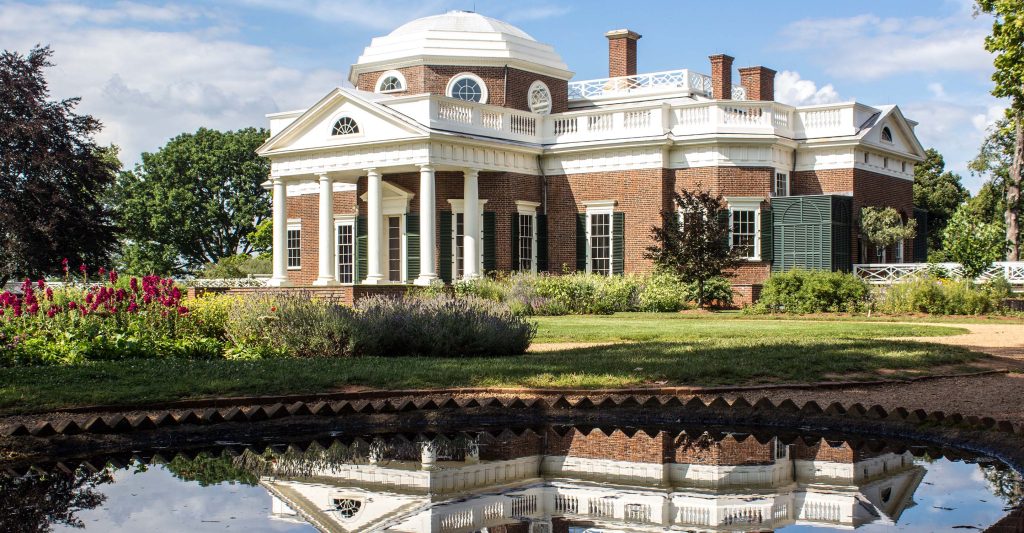
Monticello and University of Virginia
Both designed by Thomas Jefferson, these sites were recognized for their architectural influence and historical significance.
Monticello offers insight into Jefferson’s life, while the University of Virginia remains one of the country’s most beautiful campuses.
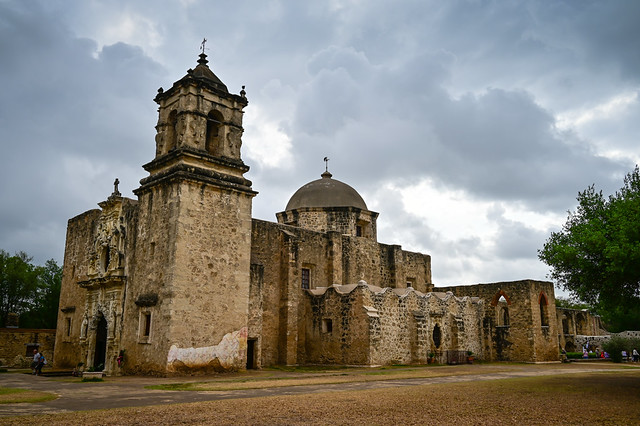
San Antonio Missions National Historical Park
This UNESCO site includes five Spanish frontier missions, including the famous Alamo. Four of the five (Mission Concepción, Mission San José, Mission San Juan, and Mission Espada) comprise San Antonio Missions National Historical Park.
The missions tell the story of Spanish colonization, religion, and the blending of cultures in early Texas history.
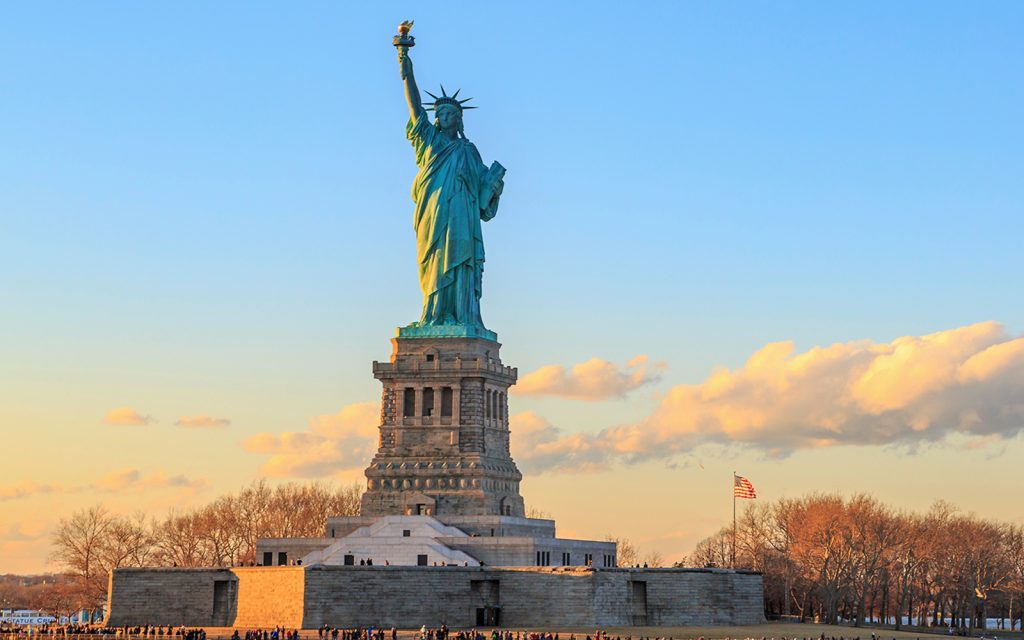
Statue of Liberty National Monument
Perhaps America’s most recognizable symbol of freedom, the Statue of Liberty has welcomed immigrants and travelers since 1886.
Visiting Liberty Island offers incredible views of New York Harbor and Manhattan.
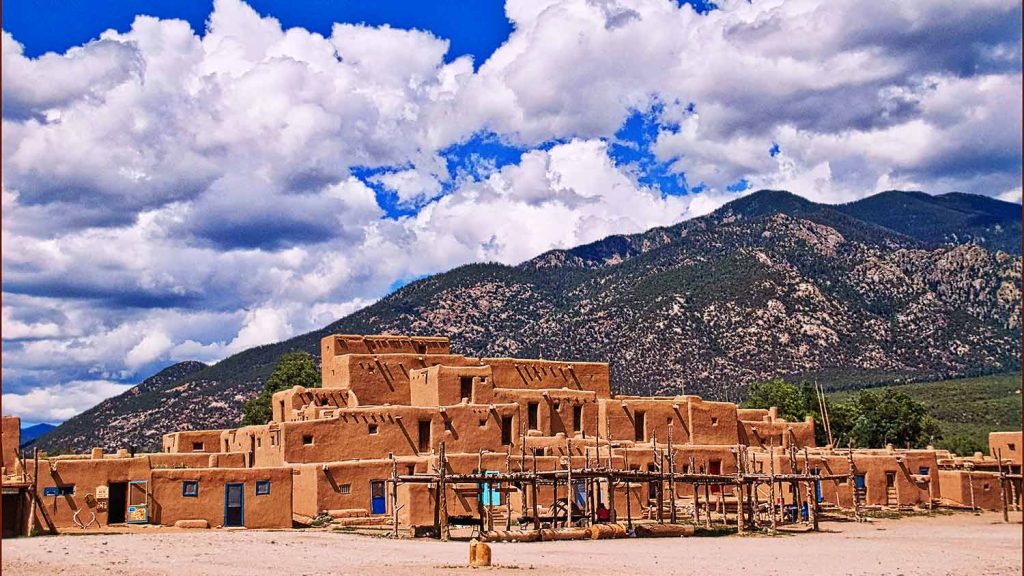
Taos Pueblo
Taos Pueblo has been continuously inhabited for over 1,000 years, making it one of the oldest living communities in North America.
Traditional adobe buildings still house residents today, preserving ancient traditions and architecture.
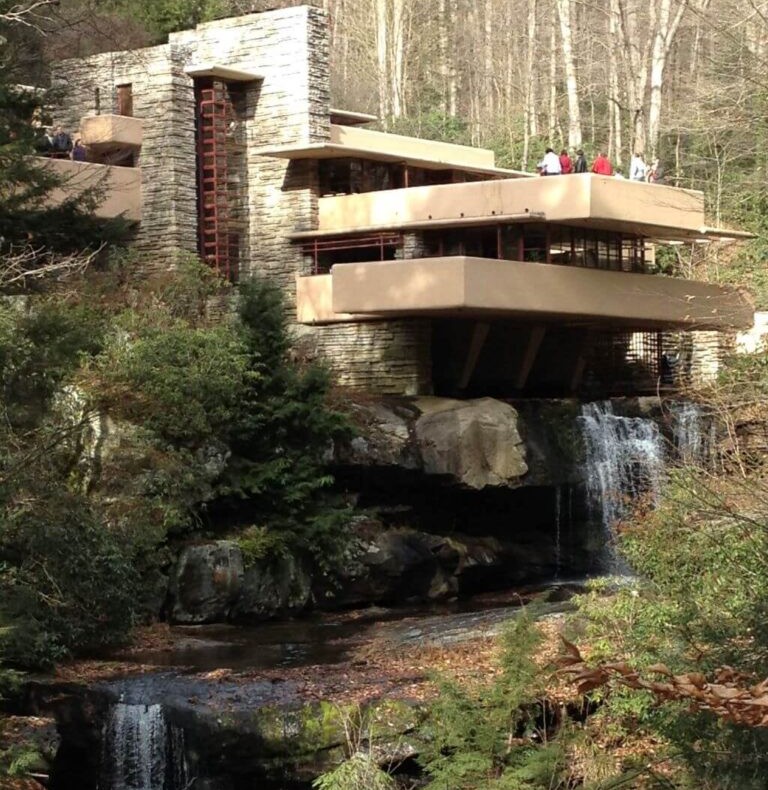
Fallingwater and the 20th-Century Architecture of Frank Lloyd Wright
Eight buildings designed by Frank Lloyd Wright, spanning 50 years of his career, were added collectively to the UNESCO list for their revolutionary influence on modern architecture.
The Wright sites that have been inscribed include Unity Temple (Oak Park, IL) the Frederick C. Robie House(Chicago, IL), Taliesin (Spring Green, WI), Hollyhock House (Los Angels, CA), Fallingwater (Mill Run, PA), the Herbert and Katherine Jacobs House (Madison, WI), Taliesin West (Scottsdale, AZ), and the Solomon R. Guggenheim Museum (New York, NY).
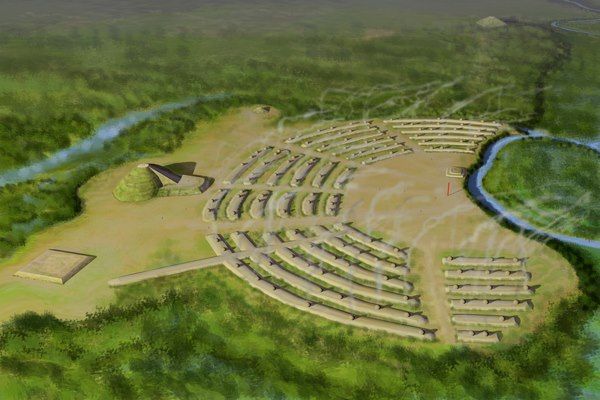
Monumental Earthworks of Poverty Point
The Poverty Point inhabitants set for themselves an enormous task as they built a complex array of earthen mounds and ridges overlooking the Mississippi River flood plain. This accomplishment is particularly impressive for a pre-agricultural society.
The central construction consists of six rows of concentric ridges, parts of which were as high as five feet.
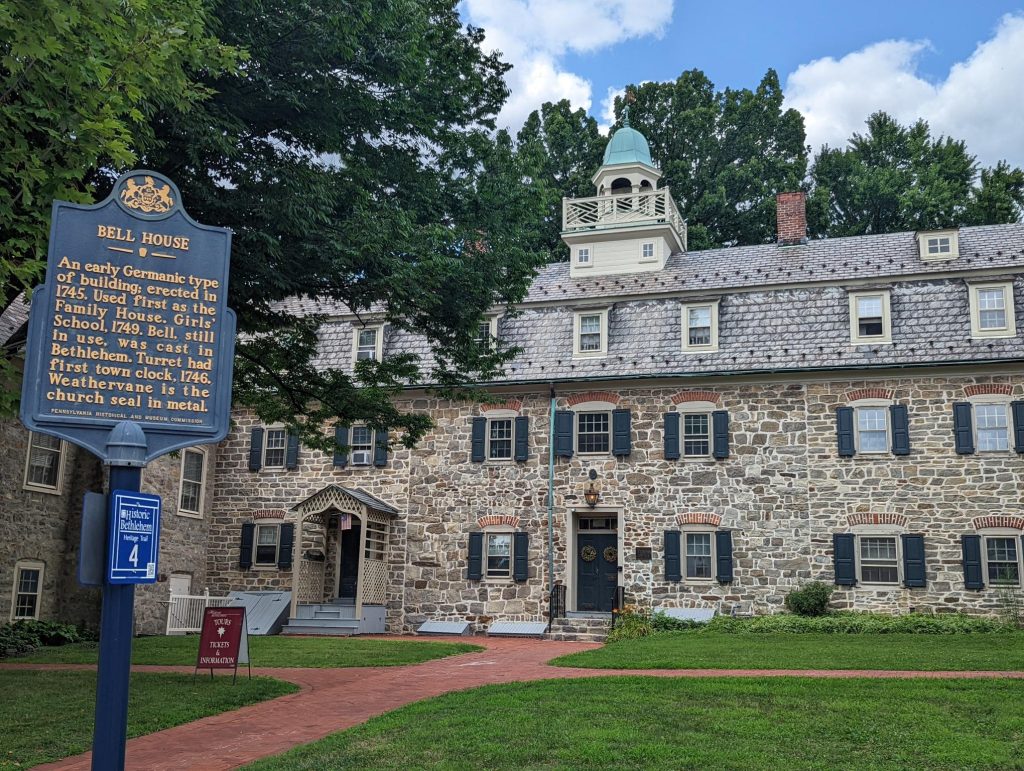
Moravian Church Settlements
This site consists of four congregation towns established in the 18th century based on the Moravian concept of an ideal city. The settlements, including Bethlehem (Pennsylvania, USA), Christiansfeld (Denmark), Gracehill (Northern Ireland/UK), and Herrnhut (Saxony/Germany) are outstanding examples of the dispersed people of a small Protestant denomination and its influence across the globe.
Best UNESCO Natural World Heritage Sites in the USA
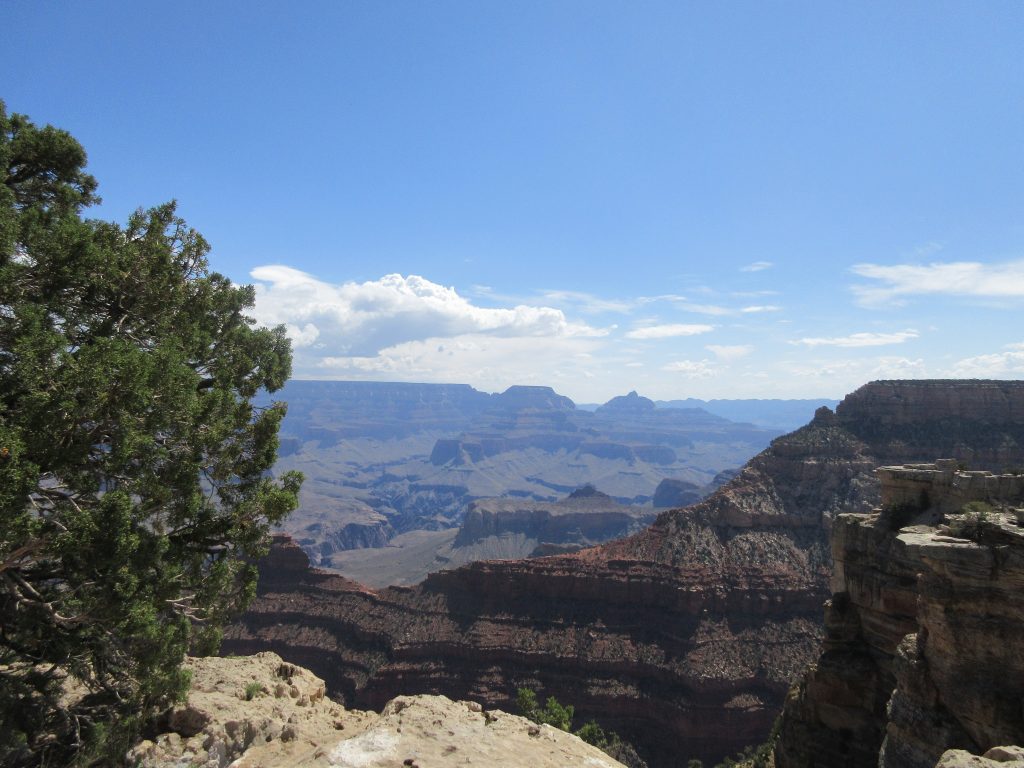
Grand Canyon National Park
One of the most famous natural wonders on Earth, the Grand Canyon stretches 277 miles through Arizona and reveals millions of years of geological history. Located on the ancestral homelands of 11 present day Tribal Communities, Grand Canyon is one of the most spectacular examples of erosion anywhere in the world.
Sunrise and sunset here honestly feel unreal.
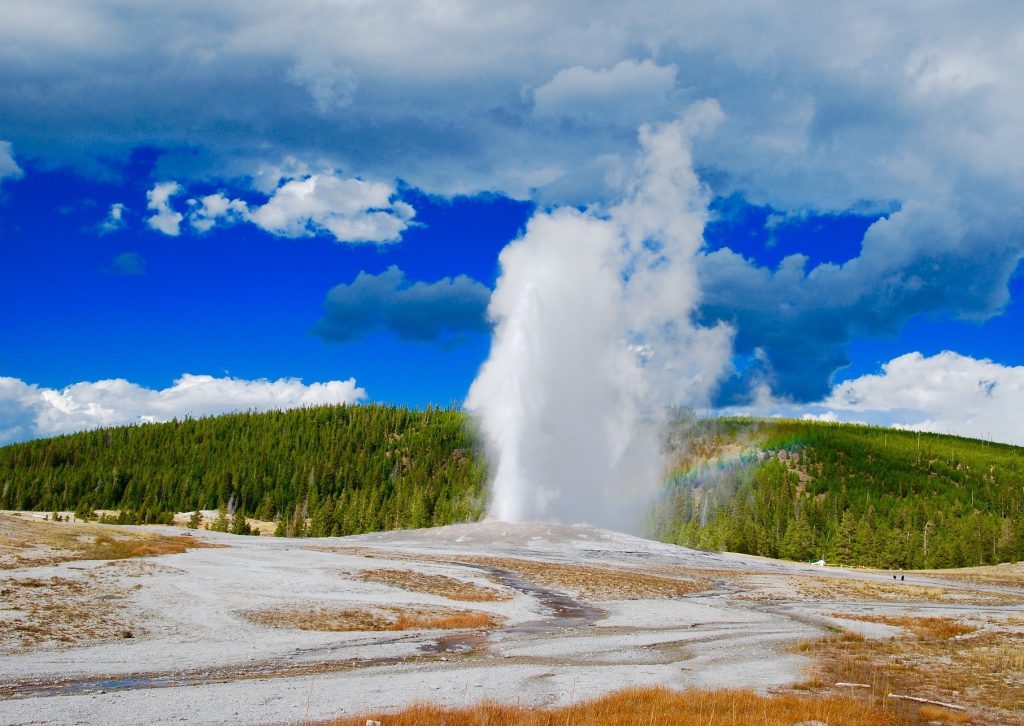
Yellowstone National Park
Yellowstone became the world’s first national park in 1872 and remains famous for geysers, hot springs, wildlife, and dramatic landscapes. The human history of the Yellowstone region extends back more than 11,000 years. The stories of people here are preserved in archeological sites and objects that convey information about past human activities.
It’s also one of the best places in the country to see bison, wolves, elk, and bears. Please remember this is their home and keep your distance.
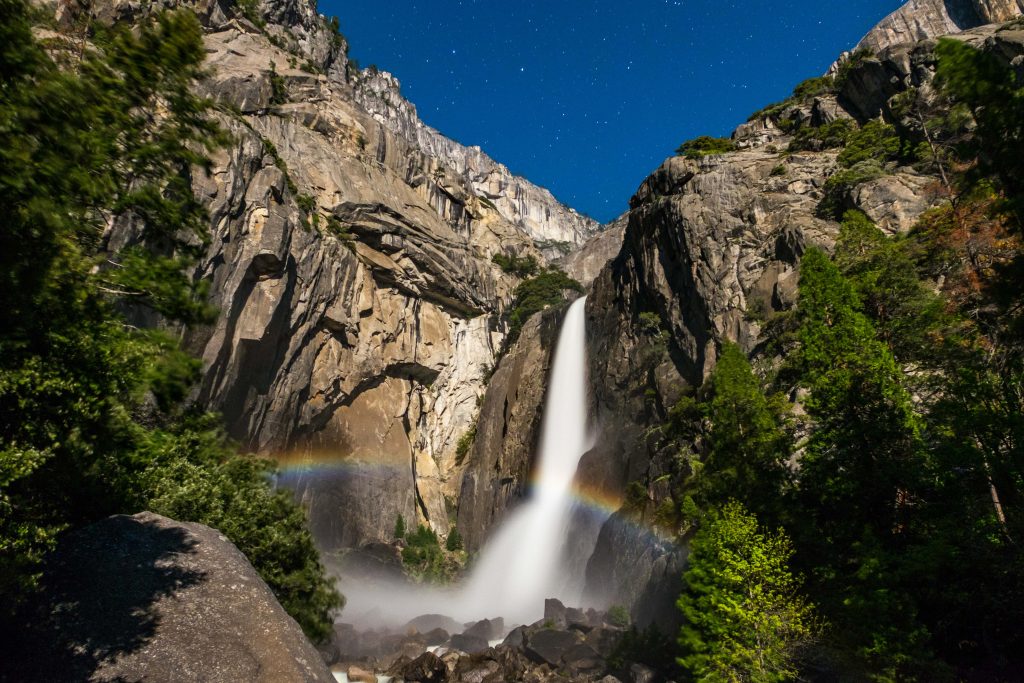
Yosemite National Park
Towering granite cliffs, giant sequoias, waterfalls, and alpine scenery make Yosemite one of America’s most beloved national parks. Not just a great valley, but a shrine to human foresight, the strength of granite, the power of glaciers, the persistence of life, and the tranquility of the High Sierra.
Iconic views like Tunnel View and Glacier Point easily earn their bucket-list reputation.
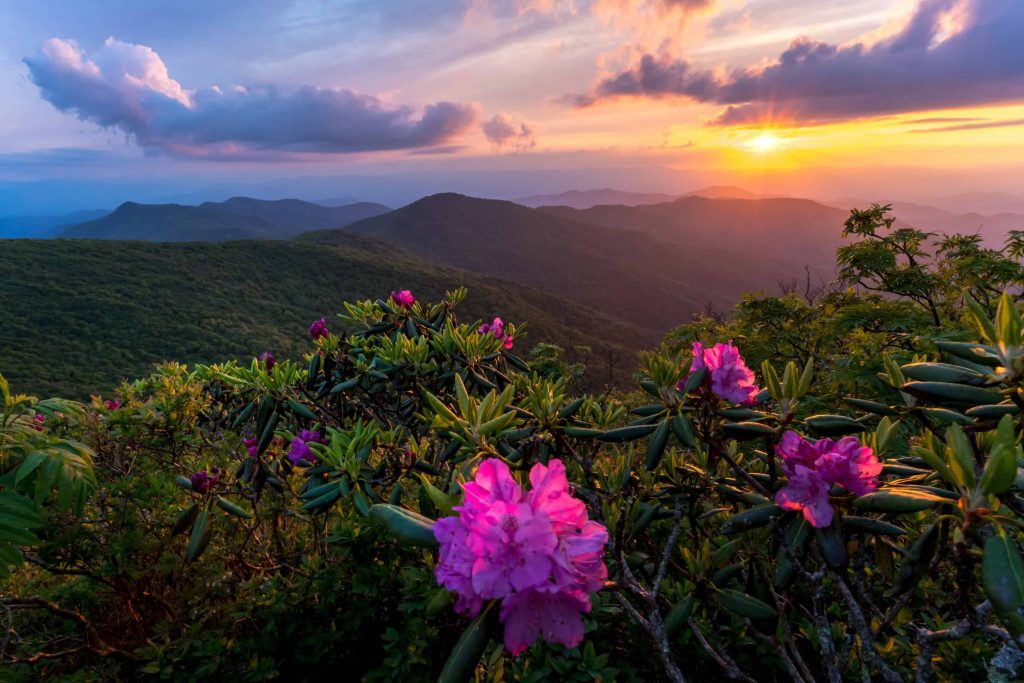
Great Smoky Mountains National Park
America’s most visited national park is known for mist-covered mountains, waterfalls, black bears, incredible biodiversity and the quality of its remnants of Southern Appalachian Mountain culture. Ridge upon ridge of forest straddles the border between North Carolina and Tennessee at America’s most visited National Park.
Fall is especially beautiful when the forests explode with color.
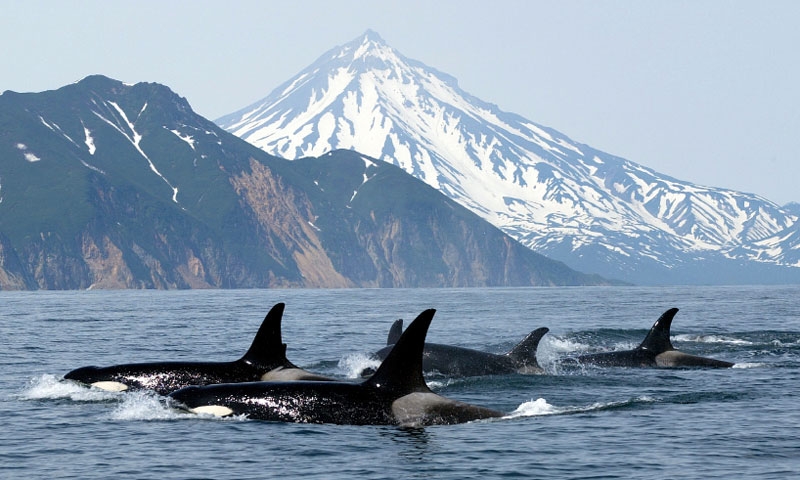
Olympic National Park
Olympic protects wildly different ecosystems in one park, including glacier-covered mountains, rugged coastline, and temperate rainforests.
It’s one of the most diverse national parks in the country.
Pro Tip: Be sure to have binoculars that have picture taking capability to get great pictures. We like these by Anminto because they have 8X zoom.
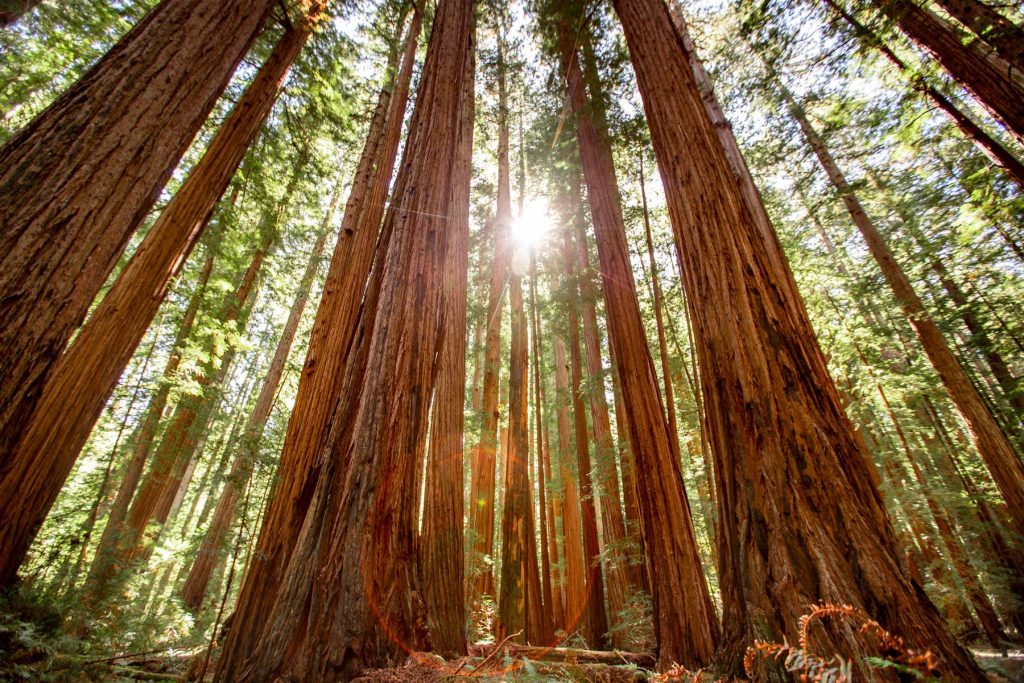
Redwood National and State Parks
Home to the tallest trees on Earth, the redwood forests feel ancient and almost unreal in person.
The parks also protect rivers, coastlines, and wildlife habitats along Northern California’s rugged coast.
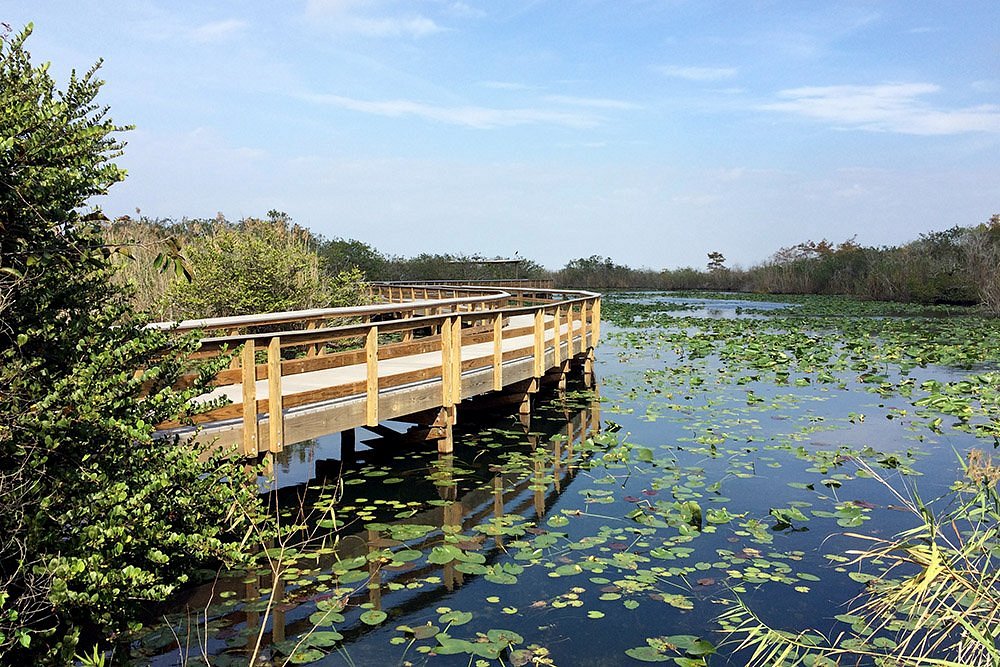
Everglades National Park
The Everglades preserve the largest subtropical wilderness in the United States and provide habitat for alligators, crocodiles, manatees, and countless bird species.
Airboat tours are one of the most popular ways to explore the wetlands.
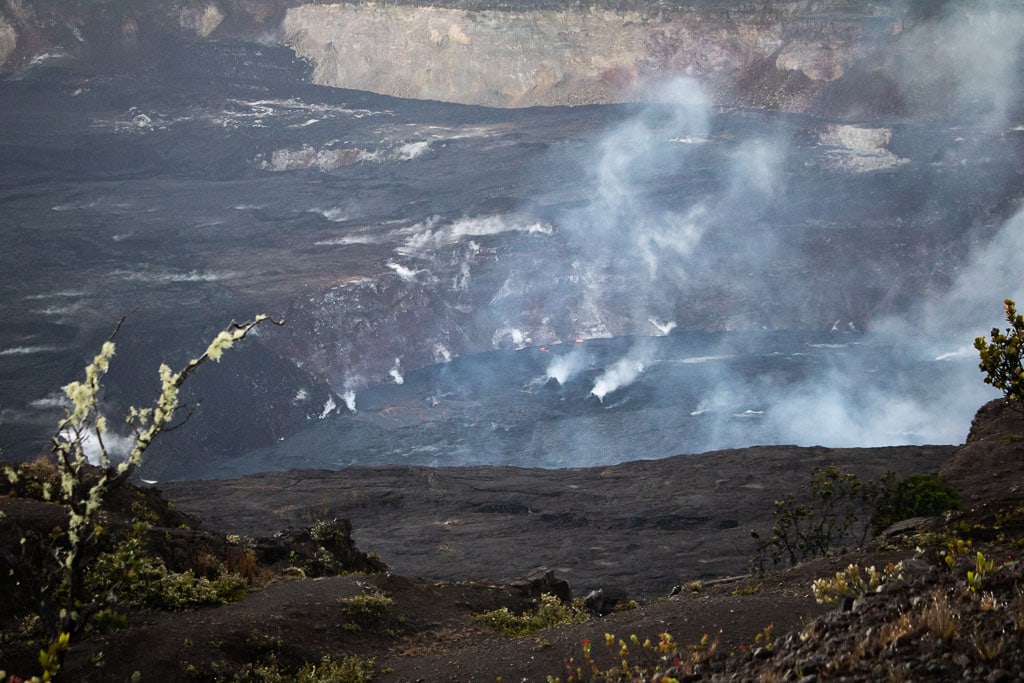
Hawaiʻi Volcanoes National Park
This park protects two of the world’s most active volcanoes: Kīlauea and Mauna Loa and some of the most unique geological, biological, and cherished cultural landscapes in the world.
The landscape constantly changes due to volcanic activity, making every visit unique. Take a helicopter ride for the best view of the volcanoes.
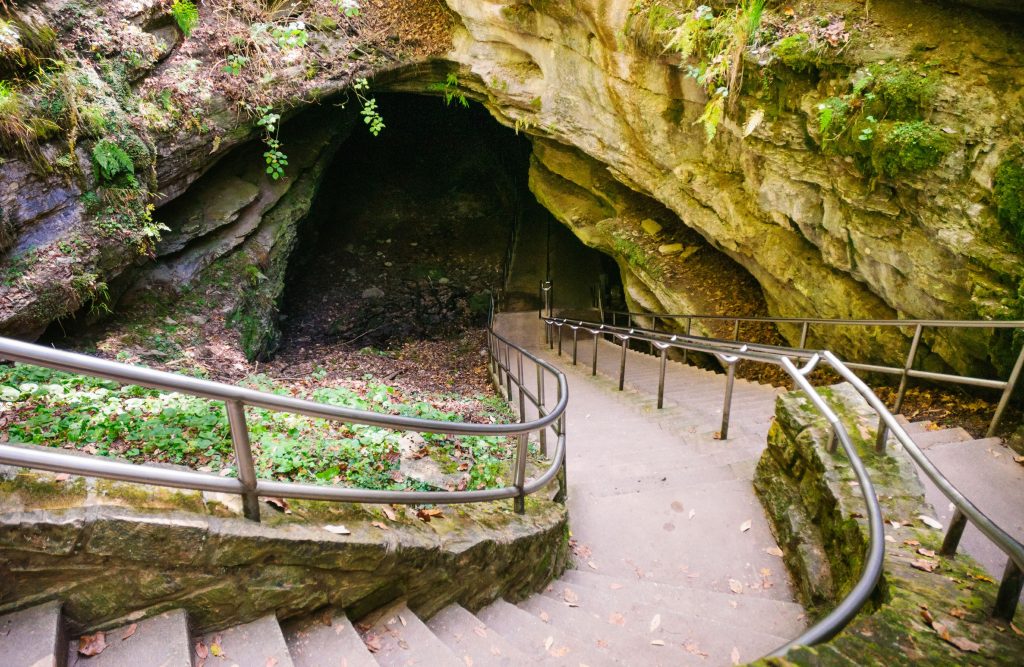
Mammoth Cave National Park
Mammoth Cave contains the world’s longest known cave system, with more than 400 explored miles underground.
Above ground, the park also offers hiking, kayaking, and scenic drives.
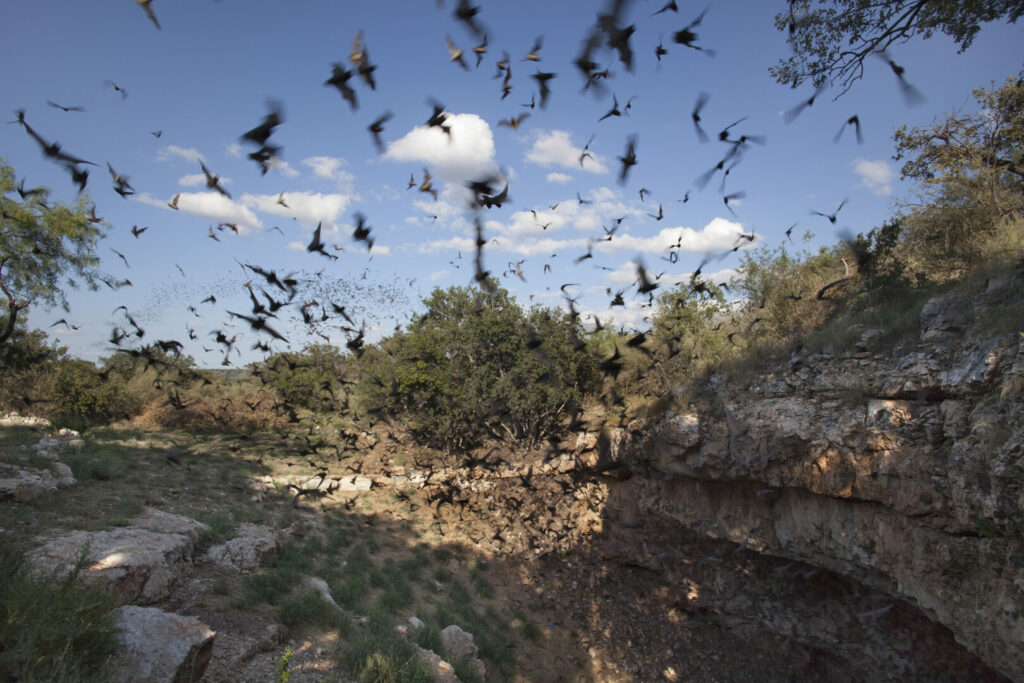
Carlsbad Caverns National Park
More than 100 caves lie beneath the Chihuahuan Desert here, including the spectacular Big Room cavern. High ancient sea ledges, deep rocky canyons, flowering cactus, and desert wildlife are the treasures above the ground in the desert.
The evening bat flights during warmer months are especially memorable.
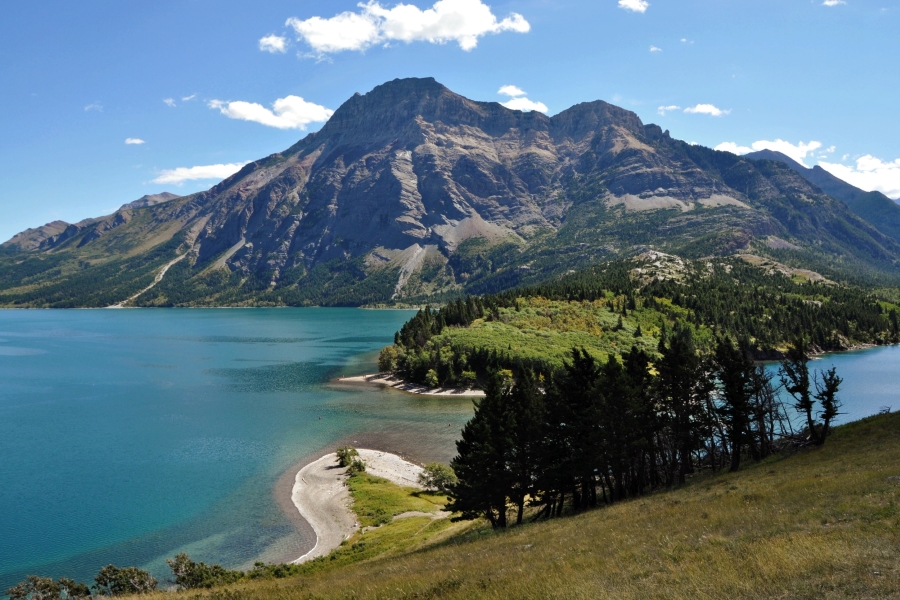
Waterton Glacier International Peace Park
Waterton-Glacier International Peace Park and World Heritage Site straddles the northern Rocky Mountains along the border between the United States and Canada. The combined site encompasses breathtaking snowcapped mountains, high-altitude lakes, and rivers cascading from glaciers.
These mountains are home to a number of threatened or endangered species including the grizzly bear, gray wolf, lynx, bald eagle, and peregrine falcon.
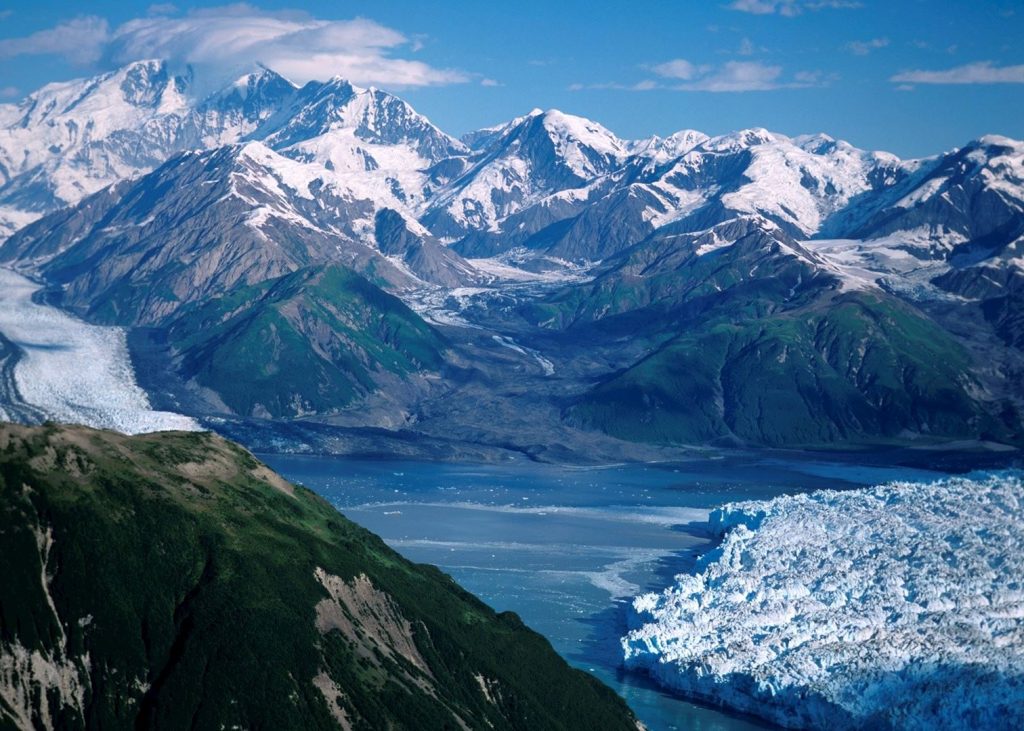
Kluane / Wrangell-St. Elias / Glacier Bay / Tatshenshini-Alsek
In southeast Alaska, neighboring British Columbia, and Yukon, a massive complex of parks was inscribed together as a single joint US-Canadian World Heritage Site. The two US sites are both national parks: the Glacier Bay National Park and Preserve and the Wrangell-St. Elias National Park and Preserve.
The complex protects over 24 million acres of wild lands and waters. The parks that make up this site are still tectonically active and demonstrate some of the best examples of the movement of glaciers and ice fields.

UNESCO Mixed Site in the United States
Papahānaumokuākea Marine National Monument
One of the world’s largest protected marine areas, this remote Hawaiian archipelago is recognized for both its ecological importance and deep Native Hawaiian cultural significance.
It protects coral reefs, endangered species, and sacred ancestral sites.
Pro Tip: Be sure to have your underwater camera so when you go snorkeling you can get great pictures. We like this PixPro underwater camera from Kodak.
Tips for Visiting UNESCO World Heritage Sites
Respect all cultural and preservation rules.
Stay on marked trails and designated viewing areas.
Visit visitor centers to better understand the history and significance.
Book tours early at popular destinations.
Learn about Indigenous connections to the land before visiting.
Visit during shoulder seasons to avoid crowds.
Learn More: Preserve the Wild: A Simple Guide to Leave No Trace for Every Outdoor Adventure
Final Thoughts
UNESCO World Heritage Sites are more than beautiful places to check off a list. They preserve the stories, landscapes, cultures, and natural wonders that shaped our world.
Some are famous bucket-list destinations like the Grand Canyon and Yellowstone. Others are quieter places many travelers overlook, like Chaco Canyon or Cahokia Mounds. But all of them offer something unforgettable.
If you love history, culture, nature, or road trips, these UNESCO sites are some of the most rewarding places you can visit in the United States.
We love sharing tips and information we learn along the way to help you plan your next trip. We hope to inspire you to find your adventures, have lots of fun and make many memories.