

Summer is the quintessential time for family vacations, epic road trips, and making memories under wide-open skies. It is also the prime time for exploring the treasures of the U.S. National Park System.
While some parks bake under the summer sun, others truly come alive, offering accessible trails, stunning wildflowers, gushing waterfalls, and abundant wildlife. Whether you’re planning a mid-June escape before the high season crowds or scouting the best national parks to visit in July and August, this guide introduces you to the ultimate summer vacations from coast to coast.
While all National Parks have an entrance fee, they do vary by park. All National Parks that require entrance fees accept America the Beautiful Pass and have annual passes. See single day fees listed below for each park. These are highlights of each park and I’ve included a website for you to learn more about each park. Learn more about America the Beautiful Pass here.
This post includes some affiliate links. If you make a qualifying purchase through one of these links, we will receive a small percentage of the sale at no additional cost to you. Thanks for your support.

East Coast Wonders
Acadia National Park, Maine
Nestled on Mount Desert Island, this coastal park is at its finest in the summer, when tide pools are alive and the forest trails are dry and hike worthy. The park is a mix of pink granite cliffs, pine forests, and Atlantic Ocean views—if you’re into both coastal and mountain terrain, this is the spot for you.
Plan Your Visit: The Standard entrance pass is $35. Cadillac Summit Road requires a Vehicle Reservation between May 21–October 26. The cost is $6.00. This park is cashless, so be prepared with a credit card. All campsite reservations must be made online in advance. There is one restaurant in the park, but plenty of dining options near the park. There is no backcountry camping or overnight parking allowed in Acadia. Dogs are allowed on leashes. They are allowed on most trails. Visit the website for more details.
Things to Do: Biking, Swimming, Tide pooling, Boating and Hiking. You can also take a carriage tour, go horseback riding or drive the Park Loop Road. There are 60 miles of coastline, 33 miles of scenic motor roads, 45 miles of carriage roads, and more than 150 miles of hiking trails provide numerous ways to explore the park.
Shenandoah National Park, Virginia
Shenandoah National Park is a land bursting with cascading waterfalls, spectacular vistas, fields of wildflowers, and quiet wooded hollows. With over 200,000 acres of protected lands that are haven to deer, songbirds, and black bears, there’s so much to explore.
Plan Your Visit: The Park is always open, however Skyline Drive closes periodically due to inclement weather. Campgrounds typically open the end of March or early April and close at the beginning of November. The Standard entrance pass ranges from $15 to $30. There is lodging and camping available in the park, most require reservations. There are also places to dine and picnic in the park. Pets are allowed in limited areas of the park on a leash. Check website for more details.
Things to Do: The best way to see the park is by driving Skyline Drive. The Skyline Drive runs 105 miles north and south along the crest of the Blue Ridge Mountains and takes about 3 hours to drive the entire length. There are mileposts along the way to guide you to amazing views. Hiking, biking and fishing are also favorites in the park.

Great Smoky Mountains National Park, North Carolina/ Tennessee
The Great Smoky Mountains is the best national park to visit year-round, but especially in the summer. The weather in the early summer is beautiful, which gives you the opportunity to hike some of the best hikes.
Plan Your Visit: The park is open year-round, 24/7 weather permitting. Great Smoky Mountains National Park doesn’t charge an entrance fee. Parking tags are required for all vehicles parking for longer than 15 minutes. There is limited food available at the Cades Cove store. There is only one lodge in the park, and you must hike to get to it. However, there are 10 campgrounds and backcountry camping available. Leashed pets are allowed in campgrounds, picnic areas and along roads. Learn more on the website.
Things to Do: Hiking is by far the most popular activity in this park. Tour Cades Cove by car, bike or hike. You can fish, ride horses, hike to the waterfalls or have a picnic.

Midwest Fun
Voyageurs National Park, Minnesota
This park spans 218,000 acres of lakes, forests, and streams in northern Minnesota. Unlike many national parks that are primarily road-based, Voyageurs is a water-based park, meaning you’ll need a boat or water taxi to explore most of its remote corners. This park is one of the best places to see the Northern Lights.
Plan Your Visit: Open year-round, keep in mind that late fall to early spring there may be some closures due to ice. The good news is that this is one of the few free National Parks. The only place to purchase food within Voyageurs National Park is at the Kettle Falls Hotel. Remotely located on the far eastern side of the Kabetogama Peninsula, it is approximately 15-miles from the nearest road and is only accessible by watercraft and the only lodge in the park. There are over 250 campsites, but only two are accessible by land. Backcountry camping is permitted. If you own a boat, you can spend the night on the water with a permit. Pets are allowed in front country campsites only.
Things to Do: Take a guided tour with park staff, become a junior ranger, charter a boat or go camping. Other fun things to do are fishing and hiking. If you own a houseboat, bring it along and explore the lake. For more information, check this website.
Rocky Mountain National Park, Colorado
Though you may still catch some snow at higher elevations in June, the view of the Rockies will be crystal clear once July hits. Rocky Mountain Park boasts rugged terrain, turquoise lakes, and fields filled with life.
Plan Your Visit: Entrance passes are required and the standard pass ranges from $15 to $35. Timed Entry Reservations will be needed to enter Rocky Mountain National Park between the hours of 9 a.m. to 2 p.m. daily beginning on Friday, May 23 through Monday, October 13, 2025. If you plan to visit Bear Lake Road area you will need a Timed Entry + Bear Lake entry pass. Please visit website for more information. This park is cashless, so make sure you have your credit card. During the summer season, from approximately late May through early October, there is one restaurant available inside RMNP. There is a cafe and coffee bar located inside the Trail Ridge Store. There are 5 campgrounds and backcountry camping. Leashed pets are only allowed on roads and established campgrounds.
Things to Do: Although a lot of people come here for the winter activities, summer is a great time if you enjoy hiking, horseback riding and camping. Not to mention the beautiful views! Bear Lake Road area is the popular destination with Moraine Park, Sprague Lake, and Bear Lake.
Black Canyon of the Gunnison National Park, Colorado
Come see some of the steepest cliffs, oldest rock, and craggiest spires in North America. Enjoy the soothing sounds of the Gunnison River while hiking the many trails.
Plan Your Visit: The park is open every day, all day. No reservations are required to enter Black Canyon of the Gunnison National Park. Some roads into the park have limited access or closed entirely in winter. The park is divided by the canyon into a North Rim and South Rim. There is no bridge or road through the park or connecting the rims. Both rim drives have one access point from the highway, and dead-end within the park. Driving from one rim to the other involves driving along non-park roads and can take 2 or more hours. Standard Private Vehicle Fee is $30. There are two campgrounds, one on each rim. There are no restaurants or lodges in the park. Leashed pets are permitted in limited areas.
Things to Do: You can hike, rock climb or camp. Enjoy seeing more of the park by taking one or all three of the scenic drives. Be sure to visit the website to help plan your visit.
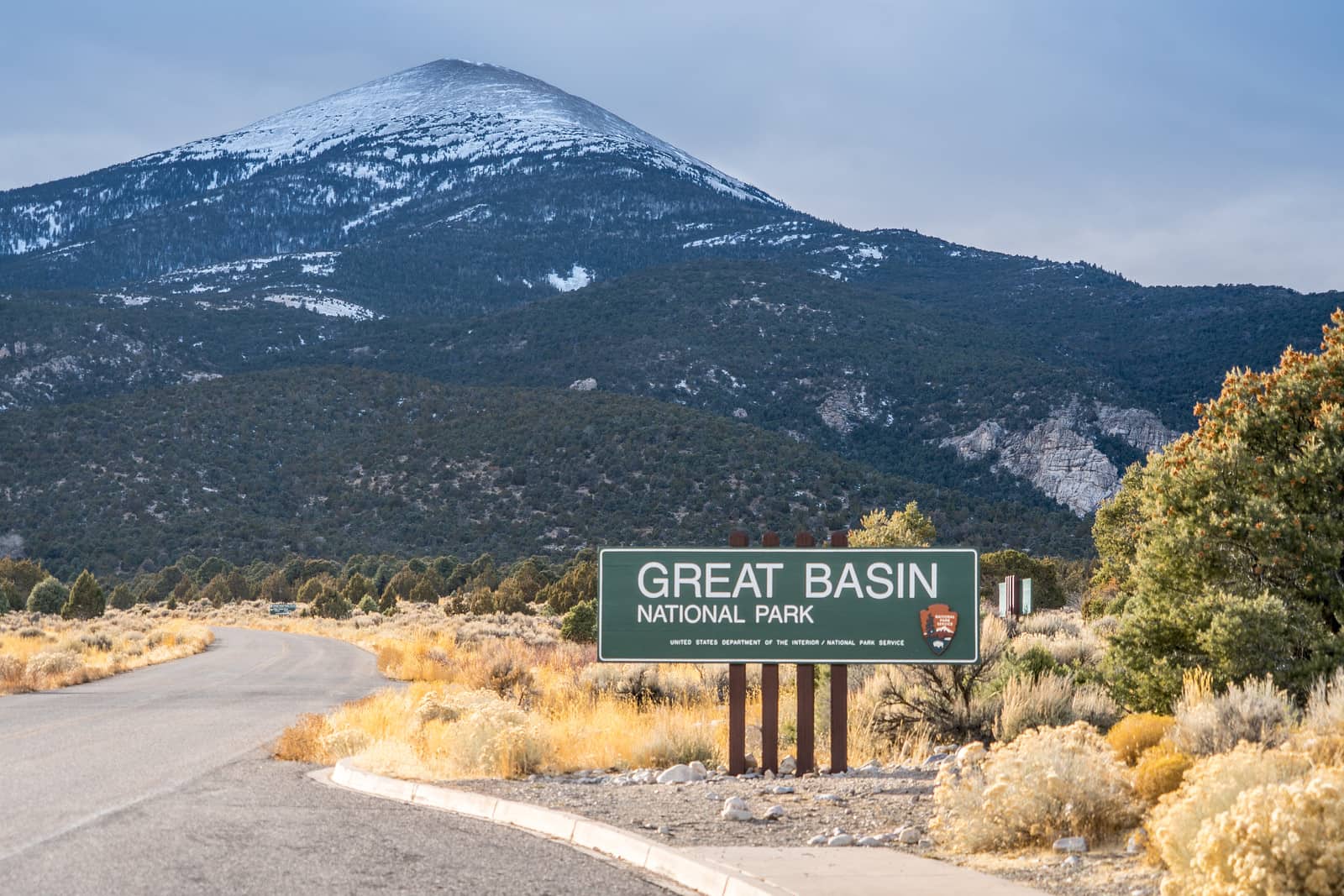
Great Basin National Park, Nevada
Great Basin National Park is the best to visit in summer, it’s pretty much inaccessible in the winter. The weather in summer is perfect in the park, usually in the 70s or 80s. Great Basin is home to the second-highest peak in Nevada, Bristlecone Pines and the only glacier in Nevada.
Plan Your Visit: In the summer the park is open 8:00 AM–5:00 PM. Spring and Winter hours are listed on the website. There is no entrance fee to the park, however Lehman Caves Tours have various fees. This park is cashless. The Great Basin Café is open from May to mid-October. It is the only restaurant in the park. There are five campgrounds and some primitive campsites available. Pets must be on a leash and aren’t permitted on trails of the Lehman Caves. See website for more information.
Things to Do: One of the most popular things to do is tour the Lehman Caves. You can also do plenty of hiking and fishing here or take your horse for a ride on the many trials. There are over 40 caves here and with a permit you can explore them. Take a drive on one of the five roads in the park for scenic views.

Yellowstone National Park, Idaho, Montana, & Wyoming
The best times to visit Yellowstone National Park are from late April to May as well as September through early October. These months offer mild weather, fewer crowds and little to no road closures. Within Yellowstone’s 2.2 million acres, visitor opportunities include observing wildlife, exploring geothermal areas that contain about half the world’s active geysers, and view geologic wonders like the Grand Canyon of the Yellowstone River and of course, Old Faithful.
Plan Your Visit: The standard entrance pass ranges from $20 – $35. There are no parking fees. There are modern hotel rooms, rustic cabins, RV and tent campground sites, and primitive backcountry campsites. There are restaurants and a few stores near lodges in the park. Pets are only allowed in developed areas and must stay within 100 feet (30.5 meters) of roads, parking areas, and campgrounds.
Things to Do: Visit Old Faithful Geyser, Grand Prismatic Spring, Lamar Valley (wildlife), Grand Canyon of the Yellowstone, and Mammoth Hot Springs. Along with these highlights you can bike, ride horses, fish, or do some boating. There is a ranger program, Indigenous events and guided tours. In winter you can enjoy skiing, snowshoeing and snowmobiling. With so much to do, visit website to help plan your trip!
Glacier National Park, Montana
If you’re looking for fresh air and a bit of snow even in July, Glacier National Park has both. This hotspot in northern Montana boasts over 700 miles of hiking trails, lakes reminiscent of Banff, and meadows teeming with wildflowers all summer long. It’s also one of the few national parks that stay temperate during summer, with average highs in the 70s.
Plan Your Visit: Entry fee is $35. You will need a timed entry vehicle reservation from June 13 through September 28 for the west side of Going-to-the-Sun Road and North Fork from 7 am to 3 pm. The park is open daily. This park is cashless so bring your credit/debit card. There are quite a few options, from motels and chalets to camping, most require reservations. You will find a variety of restaurants in various parts of the park. Pets are allowed in developed areas and must be on a leash outdoors.
Things to Do: Hiking, fishing, boating, and guided tours are a few things to do here. One of the highlights is Going-to-the-Sun Road. It is a paved, two-lane highway that snakes through Glacier National Park, dividing the park into east and west regions and crossing the Continental Divide at Logan Pass and is one of the most scenic drives in America. How could you go wrong? Please see website for more information.
Grand Teton National Park Wyoming
Grand Teton is pure mountain majesty and easily one of the best national parks to visit in July and August. Soaring over a landscape rich with wildlife, pristine lakes, and majestic alpine vistas, the Teton Range is amazing. Seeing this mountain range alone is worth the trip.
Plan Your Visit: The private vehicle entry fee is $35. You need permits for boating and backcountry access. You can choose from lodges to cabins and ranches to tents here. All require reservations. You have a variety of restaurants and grocery stores in the park, so you won’t go hungry. Pets are prohibited on trails, pathways, beaches, in buildings, and swimming in any park waters.
Things to do: You can go hiking, climbing, mountaineering, boating or catch some fish. There are four scenic drives through the park for you to explore. Be sure to look for all the wonderful wildlife, just don’t get close! Check out the website to help you plan your visit.

West Coast Escapes
Yosemite National Park, CA
Giant granite cliffs like El Capitan and Half Dome, giant ancient sequoia trees reaching for the sky, and giant waterfalls plunging thousands of feet are just some of the things to explore in Yosemite National Park.
Plan Your Visit: Entry fee for the park is $35. Certain times of the year require entry reservations with an additional $2 fee. This park is cashless, so plan ahead. For 2025: Visitors who plan to enter Yosemite National Park between 6 a.m. and 2 p.m. on Memorial Day weekend, any day between June 15 and August 15, or Labor Day weekend are likely to need a reservation. Lodging options in Yosemite National Park range from simple tent cabins at the High Sierra Camps to deluxe rooms at The Ahwahnee. Dining options range from pizza to an elegant dining room and a general store to get your own supplies while camping. Pets are allowed in developed areas, campgrounds and paved roads, on a leash.
Things to Do: While the waterfalls, mountains and sequoias are the main attractions, there is plenty of hiking, biking, fishing, water activities and bird watching to keep you occupied. Don’t miss out on the scenic drives, especially Tioga Road, a 46-mile (62 km) drive from Crane Flat to Tioga Pass. There’s even more, like rock climbing and horseback riding. You’re sure to find plenty of adventures here, check the website for me information.
Lassen Volcanic National Park, California
Lassen Volcanic National Park is an underrated summer holiday destination, but it offers an extremely similar experience to the ever-popular Yellowstone National Park. Located in Northern California’s Cascade Range, Lassen houses all four types of volcanoes (shield, cinder cone, composite, and plug dome).
Plan Your Visit: Entry fee for this park is $30 and is open 24/365. The park is now cashless. Lodging options include 8 campgrounds, Manzanita Lake Cabins/Glamping and Drakesbad Guest Ranch. Backcountry camping is also available. Aside from enjoying your own food while picnicking, there are two dining options and a general store where you can pick up food and supplies for camping. Pets: A good rule of thumb is that a pet may go anywhere a car may go and must be on a leash. Check website for more information on pet rules and more.
Things to Do: Besides the usual hiking, backcountry exploring, and fishing visiting the Sulphur Works is a must. Located along the park highway and accessed by a short walk along a paved sidewalk, Sulphur Works is the easiest of the park’s hydrothermal areas to access. Don’t pass on the 30-mile Lassen Volcanic National Park Highway, a scenic tour which winds around the east side of Lassen Peak and connects the northwest and southwest entrances of the park.
Redwood National Park, California
Renowned for the world’s tallest trees, Redwood’s landscapes span from open prairies and oak woodlands to pristine rivers and untamed coastlines. The best time to visit Redwood National Park is during the summer (June-August), when warm temperatures and low rainfall create perfect conditions.
Plan Your Visit: This park is always open. Redwood National and State Parks are fee free with the exception of day use areas within the Prairie Creek Redwoods, Del Norte Coast Redwoods, and Jedediah Smith Redwoods State Parks. While there are no restaurants or lodging facilities within Redwood National and State Parks, several nearby towns offer a variety of options. However, camping is available inside the park. Pets are not allowed on trails, but there are a few places that you can take them on a leash.
Things to Do: There are plenty of hiking and biking trails throughout the park. Personally, I would rather do the scenic drives, there are 8! If you choose to do the scenic drives, check the website for road conditions and advisories especially if you are in an RV.
Sequoia and Kings Canyon National Park, California
Huge mountains, rugged foothills, deep canyons, vast caverns, and the world’s largest trees, what more could you ask for? The average temperature in summer is 76 degrees, making this a very comfortable temperature to enjoy spending time outdoors. Sequoia and Kings Canyon National Parks are two parks run by the National Park Service under one unit, which means visitors get the best of both worlds! You can visit both but plan for extra time.
Plan Your Visit: The parks are open 24 hours every day. Entrance fee for standard vehicles is $35. This park is also cashless. There are four lodges and 14 campgrounds between the two parks. Almost all require reservations. There are five dining options, some are open seasonally, so be sure to check the website before you go. There are just a few locations where pets are permitted in the parks, outside of your vehicle.
Things to Do: Hiking, Rock Climbing, Camping, Fishing, Horseback Riding, and so much more are what you will find here. There are 3 scenic drives with pull-offs with magnificent views.

Crater Lake National Park, Oregon
Crater Lake is surreal and totally makes you go wow! It’s the deepest lake in the USA and one of the most pristine on Earth. Summer is the perfect time to visit, with warmer weather and clearer days than other times of year.
Plan Your Visit: Visibility of the lake is often hampered by clouds, so check the website and webcam before you visit so you aren’t disappointed. Even though the park is always open, winter brings a lot of snow and does cause some closures. The standard pass is $15-$30. This park is cashless. Most lodging and campgrounds are seasonal typically from mid-May to late September. There are 3 restaurants, 2 of these have gift shops and a general store. Only one is open year-long, Rim Village Café & Gifts, the others are open seasonally. Pets are welcome, but in limited areas.
Things to Do: Besides the obvious of seeing the crater in the lake, you can swim in the lake in designated areas (although it is super cold), hike one of the many trails, or go fishing (no permit needed) but one of the best things to do is to take a boat ride along the lake or a shuttle to Wizard Island which peaks from among the clear blue waters. You can also take some of the scenic drives, the best being Rim Drive which is 33 miles (53 km) of lake views, panoramic vistas, forests and meadows. There are 30 overlooks along this drive.
Mount Rainier National Park, Washington
Ascending to 14,410 feet above sea level, Mount Rainier stands as an icon in the Washington landscape. An active volcano, Mount Rainier is the most glaciated peak in the contiguous U.S.A., spawning five major rivers. Washington’s Mount Rainier is stunning at any time of the year, but it makes the list for one of the best national parks to visit in the summer for all the fun warm-weather activities.
Plan Your Visit: The park is open every day, all day however be aware that there may be some closures during the winter months. Basic entry fee ranges from $15-30. A timed entry reservation is required only for the Sunrise Corridor in the northeast corner of the park from 7:00 am to 5:00 pm daily from July 11-Sept 1, 2025, then on weekends and holidays from Sept 2 through end of the season (typically mid-October). This park is cashless. There are two hotels, three drive-in campgrounds and numerous backcountry campgrounds in the park. There are two restaurants, three snack bars, and a small general store within the park. Pets are allowed in parking lots, campgrounds and on paved roads open to public vehicles, and no more than six feet from paved roads. They aren’t allowed on trails.
Things to Do: Mount Rainier offers hiking, stargazing, biking, fishing, and boating. If you are a mountain climber, this mountain offers a 14,410-foot active volcano for you to climb. There is also a beautiful scenic drive through the park. Be sure to visit website when planning your visit.
North Cascades National Park, Washington
If jagged, snow-streaked peaks and unbelievably blue lakes sounds appealing, then North Cascades might be your perfect summer escape. Often dubbed the “American Alps,” this rugged park feels wilder and less traveled than its Washington neighbors.
Plan Your Visit: The park is open year-round, but there is limited road access in winter. There is no fee to enter the park, however you may need to pay for parking, or for a shuttle, ferry, or other transportation while visiting the park. There are a few campgrounds that are open in warm months, typically the end of May to the end of September. There are some food options in each of the three areas of the park. Pets are not allowed within the national park except on a leash on the Pacific Crest Trail and within 50 feet of roads.
Things to Do: Hiking, backcountry exploring, boating, biking, fishing, horseback riding and mountaineering are all available in the park. North Cascades Highway offers a scenic view of the park. Before you go, check out the website for alerts and more information.
Olympic National Park, Washington
Olympic National Park offers mossy rainforests, driftwood-covered beaches, and snowy peaks June through August. These summer months are the best time of year to visit Washington because the rainy Pacific Northwest is finally sunny.
Plan Your Visit: Olympic National is always open, however winter weather may affect what is open. Standard entrance fees are $15-30. This park is also cashless. There are 2 lodges and 2 resorts offering suites, chalets and cabins along with 14 campgrounds and backcountry camping here. Food available is available at all lodges and resorts. Pets are welcome at the drive-in campgrounds and picnic areas as well as paved or dirt roads and a few of the trails. Please keep them on a leash.
Things to do: Backpacking and hiking are great ways to see the park. But the water activities are what make this park stand out. You can bring your boat, kayak or canoe and hang out at the lake all day while doing a little fishing or take a walk on the shoreline and do some tide pooling. Take a scenic drive on Hurricane Ridge Road or for a real thrill, take a drive on Obstruction Point Road, which is frequently called Washington’s scariest road. There is lots to do here so if you can, plan to stay a few days. Check website for more information.

Alaska Adventures
Denali National Park, Alaska
Spanning 6 million acres of wilderness and containing polychromatic ridgelines, boreal forest, and the tallest mountain in North America (at 20,237 feet), Denali National Park inspires awe like nowhere else. Summers are an amazing time in Denali.
Plan Your Visit: The main season for visitors is May 20 through the second or third week in September, though there is plenty to see and do other times. There is just one road in Denali, and it is closed for most of the winter, though the park remains open for winter recreation. The entrance fee is $15. There is an additional fee for taking the tour (or transit) bus and for camping. Be prepared for a cashless park. Camping is the only accommodation in the park. There is one restaurant and a store in Riley Creek Campground which has pre-packaged sandwiches. Pets may be walked on the park road, in parking lots, or on campground roads. Please see website for more information.
Things to Do: Denali only has one park road. Public access to this road is limited to the first 15 miles. You can see Mount McKinley on a clear day and possibly see some animals on the 15-mile drive, but if you want to see more of the park, visitors have to take one of the park buses, hike, or ride a bicycle. There are various guided bus tours and hiker shuttles that take visitors into the park.
Kenia Fjords National Park
The park protects the immense Harding Icefield with nearly 40 glaciers, a relic of the last ice age, and the dramatic fjords carved by its outflowing glaciers. Summer, particularly June-August, offers the longest days and best chance for favorable weather to witness this icy wonderland.
Plan Your Visit: The park is open year-round, however there are limited services most of the year. There is no fee to enter this park. There is only one tent-only campground in the park. The nearby town offers places to stay and eat. Pets are only allowed on the road and parking lot at Exit Glacier and must be on a leash.
Things to Do: Visitors primarily access the park by road to retreating Exit Glacier and by water along its stunning coast. Hiking, kayaking, mountaineering, camping and boat tours are the main activities in the park. Check out the website for more information on this wonderful park!

Final Thoughts
No matter what kind of adventure you crave—soaring mountains, peaceful forests, sparkling lakes, or wide-open desert skies, America’s national parks deliver in a big way. Summer is the perfect season to reconnect with nature, whether you’re road-tripping cross-country or just escaping for a long weekend. These 20 incredible parks showcase the best of what the season has to offer. So, grab your hiking boots, load up the cooler, and hit the trail, your summer adventure is waiting.
If you’re looking to do a road trip to more than one park, check out roadtrippers.com for ideas on places to stop for the night and places to eat. Use code BTR5QTP to save $5. I used this for our trip we’re planning to Lake Tahoe, and it helped me figure out some great places to stop along the way. We love giving you information and tips we learn along the way to help you plan your vacations. We hope to inspire you to find your own adventures even near home. So go out, have fun and make memories!