

There’s nothing quite like standing in the middle of a national park surrounded by towering mountains, roaring waterfalls, red rock canyons, or ancient forests. But even the most beautiful parks can turn stressful fast if you arrive unprepared. Every year, visitors underestimate conditions, ignore safety guidelines, or simply don’t realize how different national parks are from a regular vacation destination.
From getting stranded without water to chasing wildlife for photos, some mistakes are far more common than you’d think. The good news? Most of them are completely avoidable with a little planning and common sense.
As an Amazon affiliate, when you click on some of the links on this page and make a purchase, we may earn a small commission, at no cost to you! By using our affiliate links, you’ll find our favorite picks and support us at the same time. And we really appreciate your support!
Before your next outdoor adventure, keep these national park mistakes in mind so your trip stays safe, memorable, and fun for all the right reasons.
Underestimating How Huge National Parks Really Are
One of the biggest mistakes first-time visitors make is assuming they can see an entire national park in one day. Many parks are massive, and driving between attractions can take hours.
You might think you can squeeze in every famous viewpoint, scenic drive, and hiking trail, but reality hits differently once you’re sitting in traffic or realizing the next overlook is two hours away.
Instead of trying to do everything, prioritize your must-see spots, plan realistic driving times and give yourself extra time for crowds and parking. Consider staying multiple days to truly enjoy the park.
National parks reward slower travel. Trying to rush through them usually leads to exhaustion instead of enjoyment.
Visiting Only the Most Popular Attractions
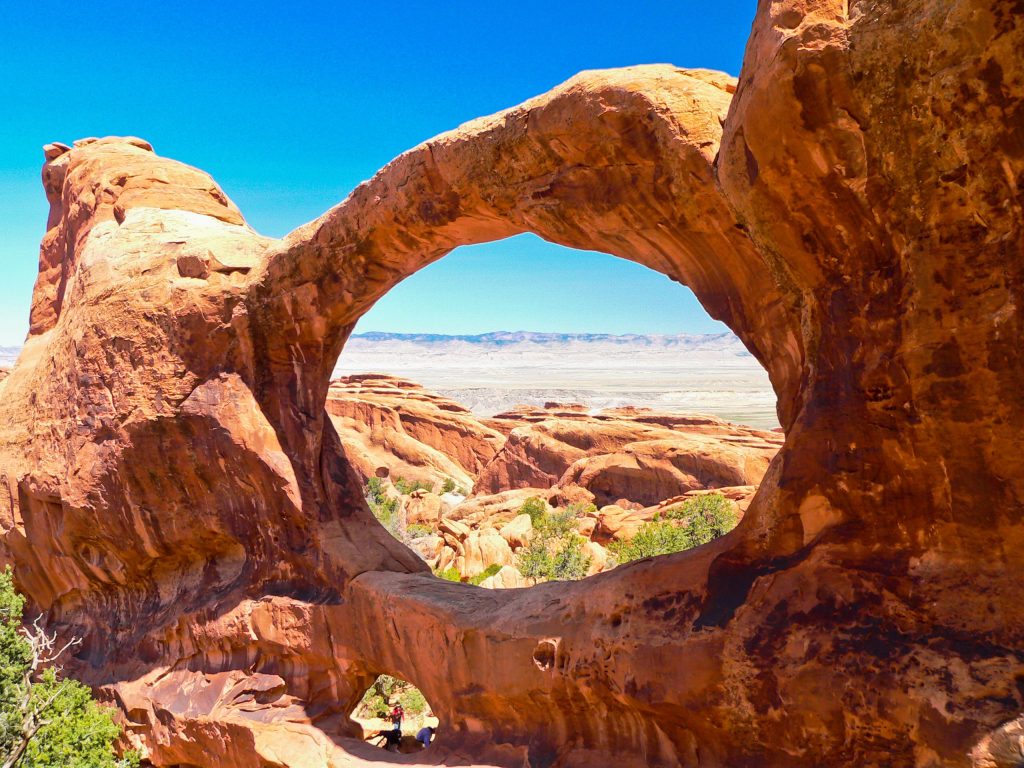
Social media has made certain locations incredibly crowded. Everyone wants the iconic photo, which means some of the most famous viewpoints can feel more like theme parks than wilderness areas during peak season.
Meanwhile, quieter trails and lesser-known overlooks often provide equally incredible scenery without the chaos. Some of the best experiences happen when you explore the less popular trails and talk to park rangers about hidden gems.
Sometimes the “unmarked pullout with nobody there” ends up being your favorite memory of the trip.
Not Checking Weather Conditions Before You Go
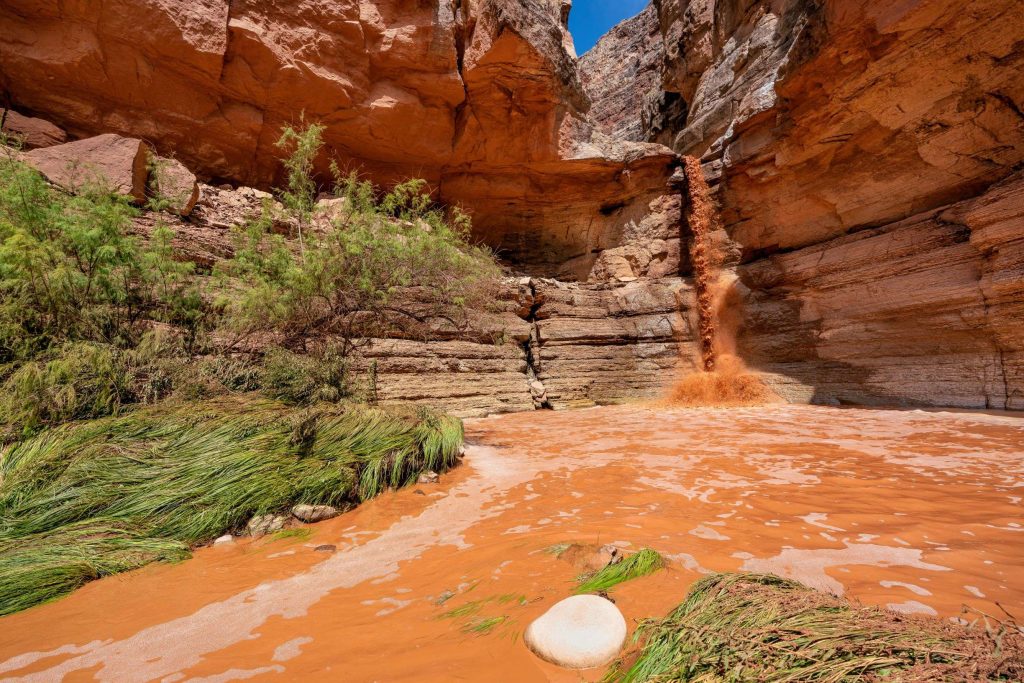
Weather in national parks can change fast, especially in mountain or desert environments. A sunny morning can turn into a weather disaster with flash floods, dangerous heat, high winds, downpours with lightning and winter snowstorms.
Many visitors assume the weather will match nearby cities, but parks often have completely different conditions due to elevation and terrain. Always check current forecasts, trail conditions, flash flood warnings and road closures.
This is especially important in desert parks where not only can extreme heat can quickly become dangerous, but flash floods can happen miles and end up where you are.
Ignoring the Effects of Altitude
High elevation parks can hit visitors hard if they aren’t prepared. Headaches, dizziness, nausea, and shortness of breath are common symptoms of altitude sickness, especially if you’re hiking right after arriving.
To help your body adjust before you start your hike drink extra water, take breaks often, and don’t overdo it, especially the first day. Know your limits.
Even experienced hikers can struggle at higher elevations.
Overestimating Your Hiking Ability
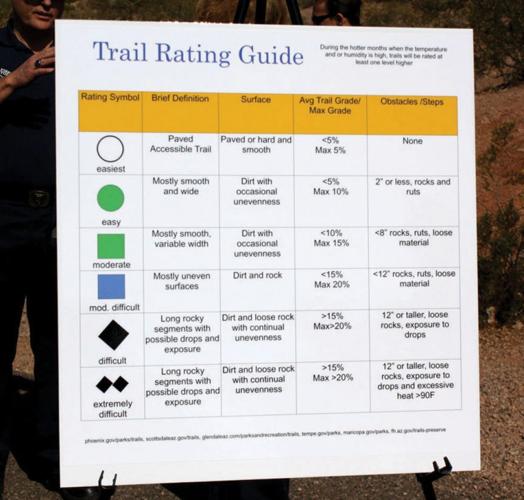
That trail might look easy on Instagram, but trail ratings exist for a reason.
Many visitors attempt hikes beyond their skill level or ignore elevation gain which ends up causing you many headaches.
Don’t start too late in the day so you get caught heading back in the dark. Wear proper footwear and layers to stay comfortable. And don’t ever underestimate desert heat.
A “moderate” trail in one park may feel extremely difficult somewhere else. Research hikes carefully before heading out and always choose trails that match your fitness level and experience.
National parks rate their trails by difficulty. Make sure you understand what they mean and check the website of the park you’re visiting for more information
Relying Too Much on Your Phone
Cell service in national parks is often unreliable or nonexistent.
Visitors frequently make the mistake of assuming GPS will always work thinking you will be able to get directions anytime and emergency calls will go through. Not so.
Prepare ahead by downloading maps ahead of time and carry a physical map with you. Load some offline navigation apps, like Google maps or Organic maps for backup. Don’t forget the extra battery packs.
Technology is helpful until your signal disappears in the middle of nowhere.
Pro Tip: Check the park’s website before you leave. It can give you lots of great information on weather, trail ratings, and safety guidelines.
Safety Guidelines
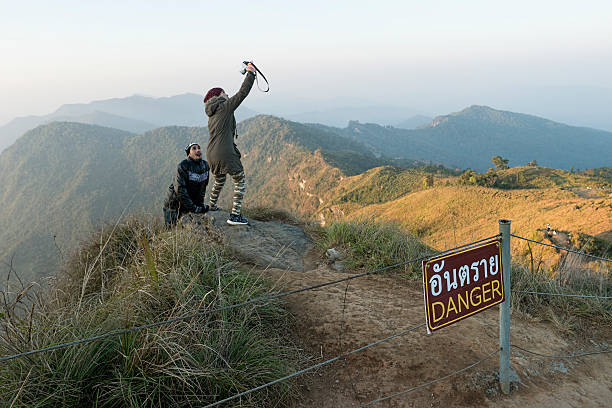
We all like to think we’re just going to go see great sights in the park and maybe explore something new and things will be fine. But people tend to get caught up in their adventures and forget to follow guidelines or read the rules. Safety should always come first.
Ignoring Trail Closures and Safety Signs
Closed trails and warning signs exist for a reason.
People sometimes step over barriers thinking it’s fine and we’ll just go a bit further. Unfortunately, this mindset leads to accidents every year.
Closures may protect visitors from rockfalls. Unstable cliffs, flooding, wildlife activity and a other reasons rangers determine it’s not safe to go there. Ignoring safety warnings simply isn’t worth the risk.
Taking Dangerous Photos for Social Media
National parks are not photo studios with safety nets.
Visitors regularly climb unstable rocks, stand too close to cliff edges, and ignore barriers and many times it ends in disaster. No photo is worth risking your life for.
You can still get incredible pictures while staying aware of your surroundings and respecting safety boundaries.
Not Bringing Enough Water
This is one of the most dangerous mistakes visitors make.
Dehydration happens quickly in parks, especially in desert environments, high elevations and hot summer temperatures.
Many people bring a tiny water bottle for a hike that really requires several liters. A good rule? Bring more water than you think you’ll need. This collapsible water bottle by Nefeeko is 26 oz. and easy to store.
And if you’re hiking in places like the Southwest during summer, hydration is not optional. It’s survival.
Forgetting Basic Essentials
Visitors often pack for comfort instead of safety.
Even short hikes can become uncomfortable or dangerous without sunscreen, hats, extra layers and comfortable shoes.
Don’t forget safety items like flashlights, extra batteries and first aid supplies. This first aid kit from Protect Life is a great size for travel.
Temperatures can drop quickly after sunset, especially in desert parks. It’s always better to carry a few extra items than wish you had them later.
Planning for Wildlife
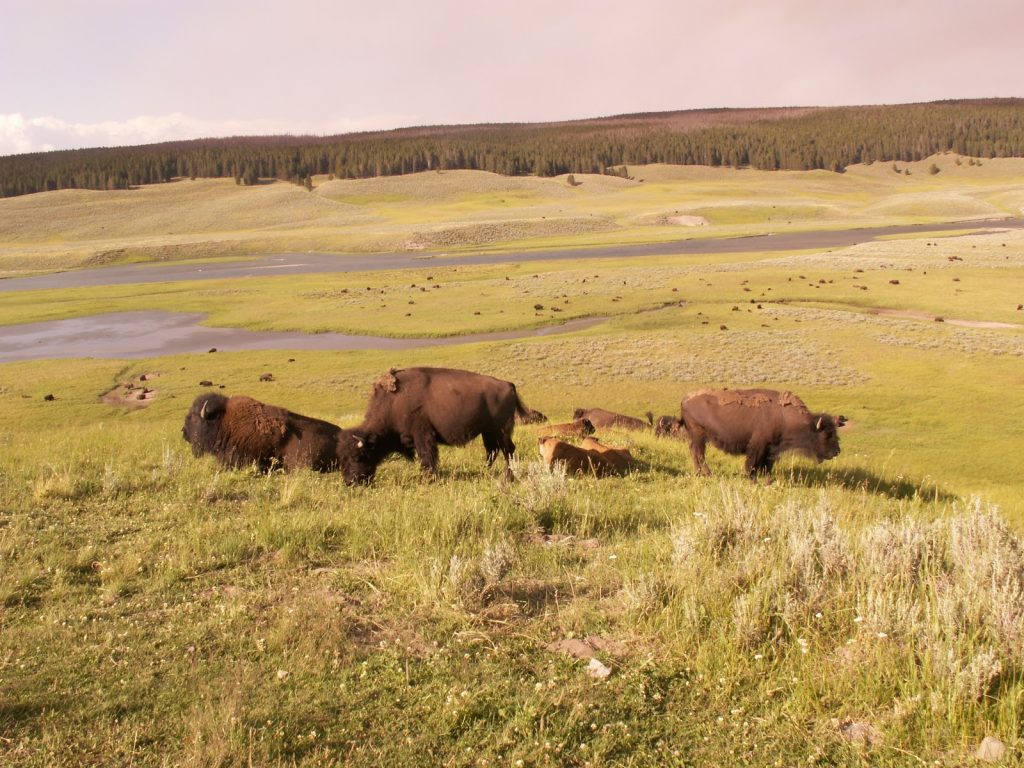
National Parks are protected lands without boundaries. This means that there is plenty of wildlife and birds in the parks and you’re bound to find some as you visit. Be prepared and follow these guidelines.
Getting Too Close to Wildlife
Wildlife encounters are exciting, but many tourists forget these animals are wild.
People often approach animals for photos, feed wildlife, touch baby animals and ignore safe viewing distances. This puts both humans and animals at risk.
Remember:
-Bison can run faster than humans- and if you get in their space, they will charge.
-Elk can become aggressive- Keep your distance for that photo.
-Parents protect their young – If you try to get near a baby, mom will hurt you.
National parks are their home. We’re just visitors and we need to learn how to respect them. Be prepared for unexpected encounters and don’t enter wildlife enclosures.
Read More: How to Safely View Wildlife in National and State Parks (And Still Get Amazing Photos)
More to Consider
Leaving Trash Behind
Even small pieces of trash can harm wildlife and damage fragile ecosystems.
Sadly, litter remains a huge problem in many parks. Always pack out everything you bring in, dispose of trash properly and stay on designated trails. Always follow Leave No Trace Principles when outdoors.
Learn More: Preserve the Wild: A Simple Guide to Leave No Trace for Every Outdoor Adventure
Keeping parks beautiful helps preserve them for future visitors.
Ignoring Fire Regulations
Wildfires can start incredibly fast in dry environments.
Many travelers underestimate how dangerous campfires or improperly discarded cigarettes can be.
Always follow local fire restrictions, use designated fire rings, fully extinguish fires and never leave flames unattended.
One careless mistake can devastate thousands of acres.
Not Respecting Quiet Areas and Other Visitors
National parks belong to everyone.
Loud music, shouting, drone use where prohibited, or blocking trails for photos can quickly ruin the experience for others.
Basic trail etiquette goes a long way:
– Yield to uphill hikers
-Keep noise levels down
-Step aside for faster hikers
-Respect personal space
The wilderness experience is part of what makes these places special. Check the NPS website for more information.
Skipping Visitor Centers and Ranger Programs
Some travelers rush straight to the trails and completely miss one of the best resources in the park.
Visitor centers and ranger programs can provide trail recommendations, wildlife updates, safety information and hidden gems you don’t want to miss. If you are a history buff rangers and visitor centers can be great sources of historical information.
Park rangers know these places better than anyone. Taking advantage of their knowledge can completely improve your trip.
Failing to Tell Someone Your Plans
If you’re hiking or exploring remote areas, always let someone know where you are going, what trails you’re planning to take and when you plan to return.
Search and rescue operations become much harder when nobody knows where to start looking.
This is especially important in larger parks where help may be hours away.
Final Thoughts
National parks offer some of the most unforgettable travel experiences in the country, but they also demand preparation, awareness, and respect. The biggest mistakes visitors make usually come down to underestimating nature, ignoring safety guidelines, or failing to plan ahead.
The good news is that avoiding these mistakes is pretty simple. If you do your research before you go, stay aware of conditions and know your limits your trip will be less stressful and safer. Respecting the environment and following Leave No Trace principles will keep the park beautiful for everyone.
A little preparation goes a long way toward turning a stressful trip into an incredible adventure. And honestly? Nature doesn’t care how many followers you have. The mountain always wins.