

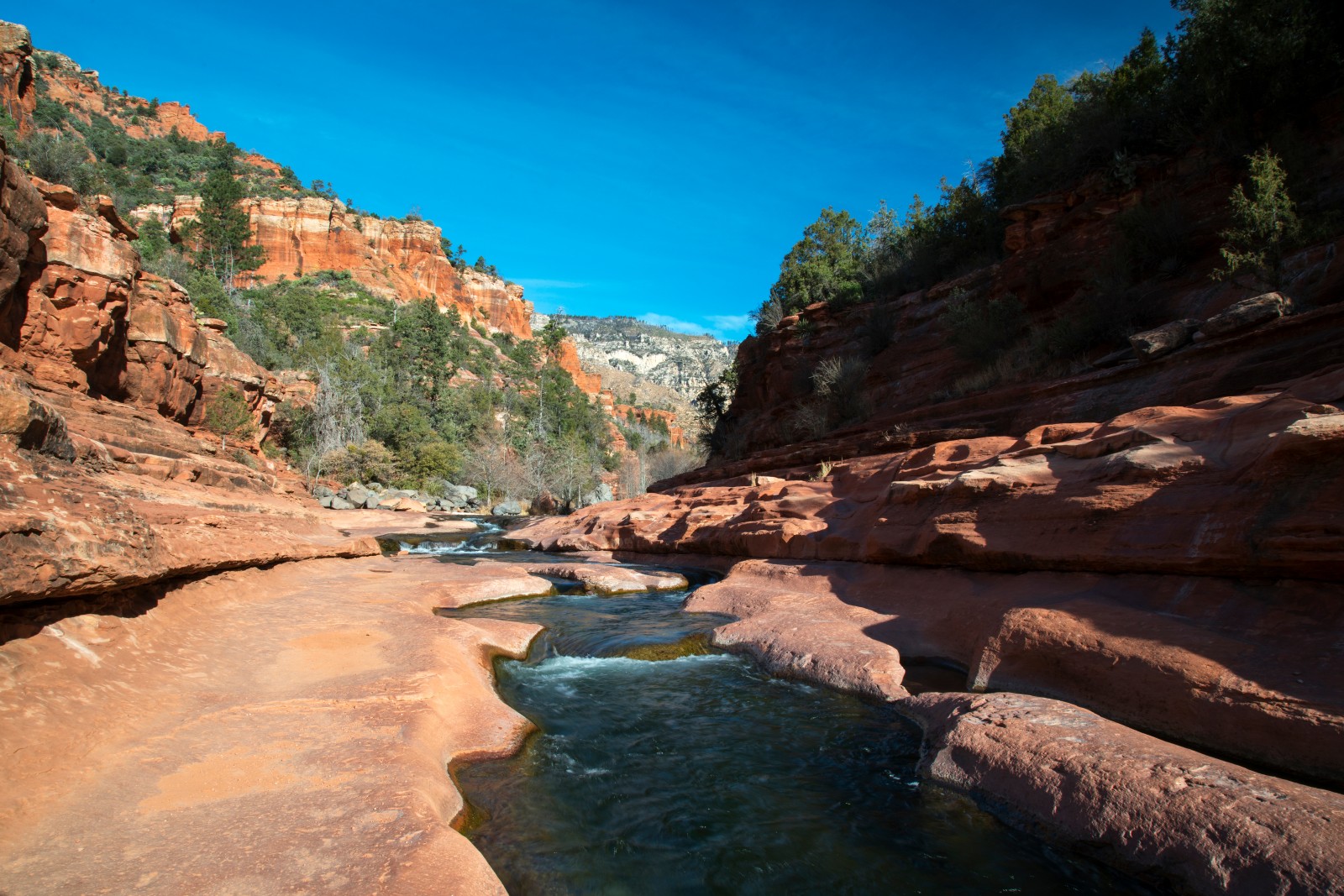
The United States is packed with incredible landscapes, but national forests are often overlooked in favor of national parks. That’s a mistake in our opinion. They are hidden gems for nature lovers.
With 154 national forests across the country, these protected lands offer everything from towering sequoias and alpine lakes to desert forests and lush temperate rainforests, often with fewer crowds and more freedom to explore.
As an Amazon affiliate, when you click on some of the links on this page and make a purchase, we may earn a small commission, at no cost to you! By using our affiliate links, you’ll find our favorite picks and support us at the same time. And we really appreciate your support!
Whether you’re into hiking, scenic drives, wildlife watching, or just finding a quiet place to breathe, these are some of the most beautiful national forests in the U.S. that deserve a spot on your bucket list.
Best National Forest on the East Coast
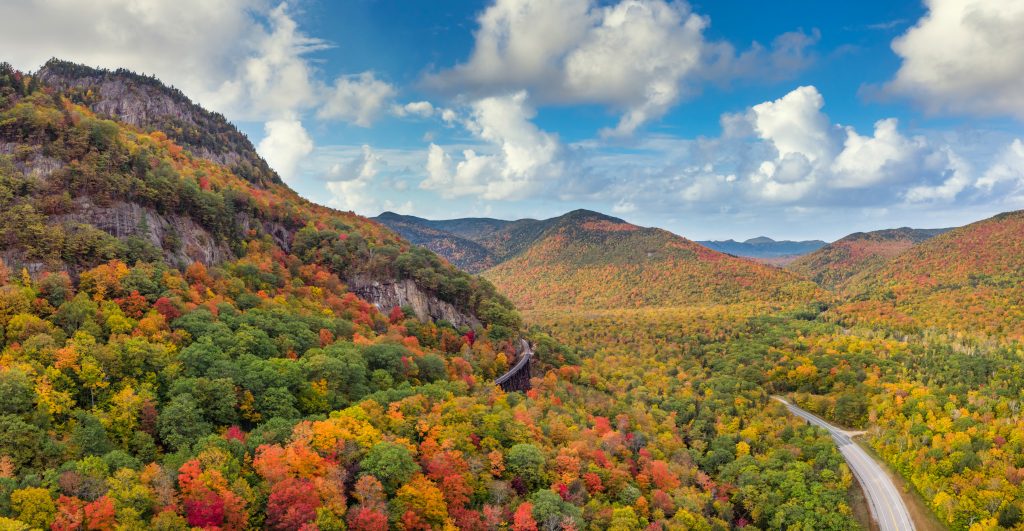
White Mountain National Forest, New Hampshire and Maine
If you want classic New England scenery, this is it. White Mountain National Forest is known for its rugged peaks, dense hardwood forests, and dramatic seasonal changes. At its heart sits Mount Washington, the tallest peak in the Northeast, where weather conditions can shift fast and views stretch for miles. In fall, the entire forest explodes into color, reds, oranges, and golds that make this one of the best foliage destinations in the country.
Best Things to Do: Hike the Presidential Range, drive the Kancamagus Scenic Byway, enjoy winter sports, and camp under the stars.
Best Time to Visit: Autumn for the foliage, and winter for snow activities.
Pro Tip: Be sure to wear sunscreen year-round. Even amongst the trees, you can get a sunburn!
Green Mountain National Forest, Vermont
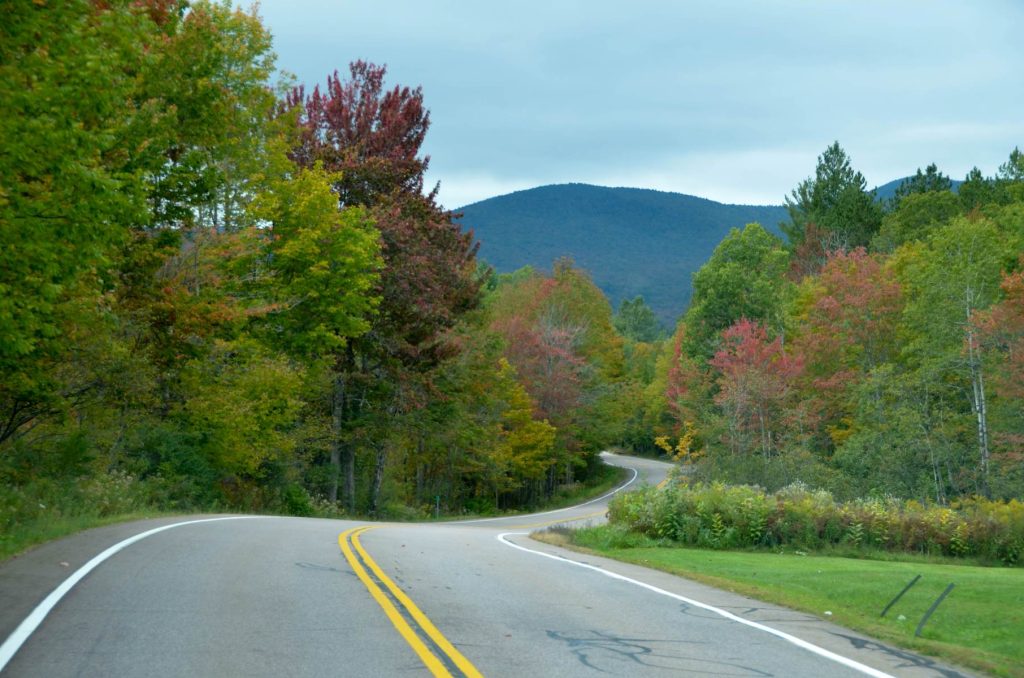
Stretching across Vermont’s rolling landscape, this forest feels like it was made for slow travel. Quiet roads, thick woods, and the chance to spot moose make it a peaceful escape. The forest spans over 400,000 acres and connects the Taconic Mountains to the iconic Green Mountains, with trails weaving through dense woodland and open ridgelines.
Best Things to Do: Drive Vermont Route 100, Ski at the Alpine ski areas, fish Bingo Brook
Best Time to Visit: Beautiful year-round, the forest looks best in autumn, ablaze with fiery red, yellow and orange hues.
Pro Tip: If you plan to visit more than one park this year, consider getting the American the Beautiful Pass, it does pay for itself after a couple Forest or Park visits.
For more information: Ultimate Guide to America the Beautiful Pass.
Pisgah National Forest, North Carolina
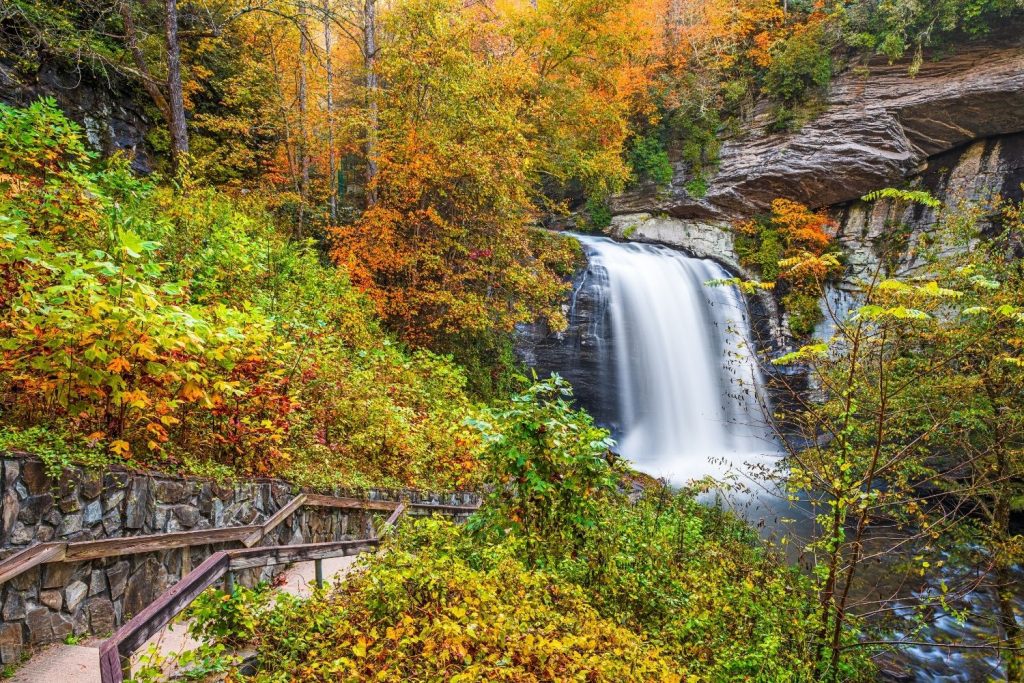
Pisgah is where waterfalls, mountains, and history all collide. Known as the birthplace of forestry in the U.S., this forest is packed with lush vegetation and flowing water. You’ll find hundreds of miles of trails, hidden waterfalls, and iconic spots like Looking Glass Rock.
Best Things to Do: Explore Looking Glass Rock, visit Sliding Rock, hike extensive trails, and enjoy mountain biking.
Best Time to Visit: Spring for wildflowers and waterfalls, autumn for foliage.
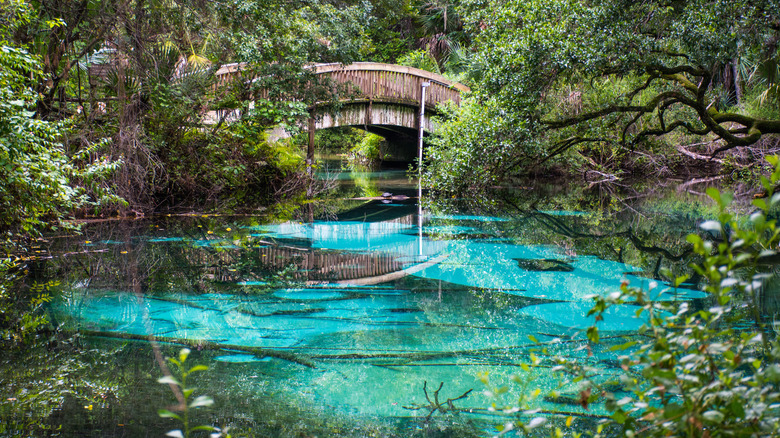
Ocala National Forest, Florida
This isn’t your typical forest. As the southernmost forest in the continental US, Ocala stands out with its crystal-clear springs, sandy terrain, and over 600 lakes and rivers. The forest is famous for its crystal-clear springs, such as Juniper Springs and Silver Glen Springs, ideal for snorkeling and swimming. It’s one of the best places in Florida to swim in natural springs surrounded by forest instead of crowds.
Best Things to Do: Snorkeling in crystal-clear springs, hiking the Florida National Scenic Trail, fishing and boating on the lakes.
Best Time to Visit: Fall through spring to avoid the summer heat and enjoy cooler temperatures.
Mid-Atlantic National Forests Worth Visiting
Monongahela National Forest, West Virginia
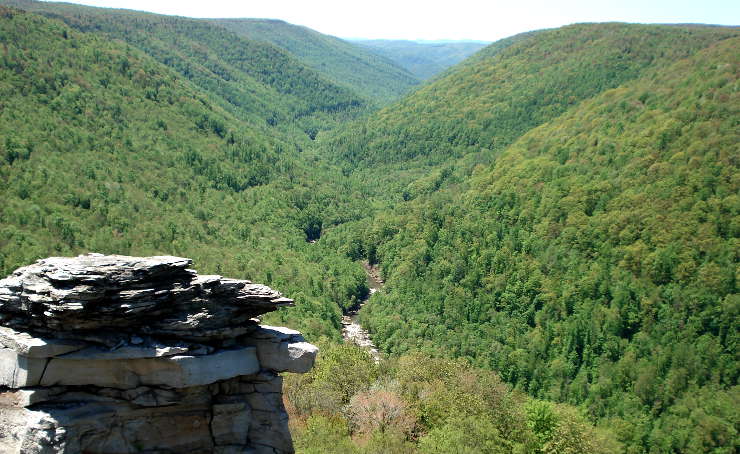
Wild, rugged, and incredibly scenic, Monongahela National Forest is one of the most diverse forests in the Appalachian region. With its steep hills, crystal clear streams, and forested slopes, it is a haven for adventurers. From Spruce Knob (the highest point in West Virginia) to the dramatic cliffs of Seneca Rocks, this forest delivers serious views.
Best Things to Do: Visit Seneca Rocks, take a scenic drive, enjoy water activities in the lakes and streams.
Best Time to Visit: Spring through Fall for the best hiking, winter for winter sports.
Pro Tip: Invest in binoculars with camera ability, not only to see better from the summits, but you can also get close-ups with the zoom. We like these from Anminto, because they have 8X zoom.
Allegheny National Forest, Pennsylvania
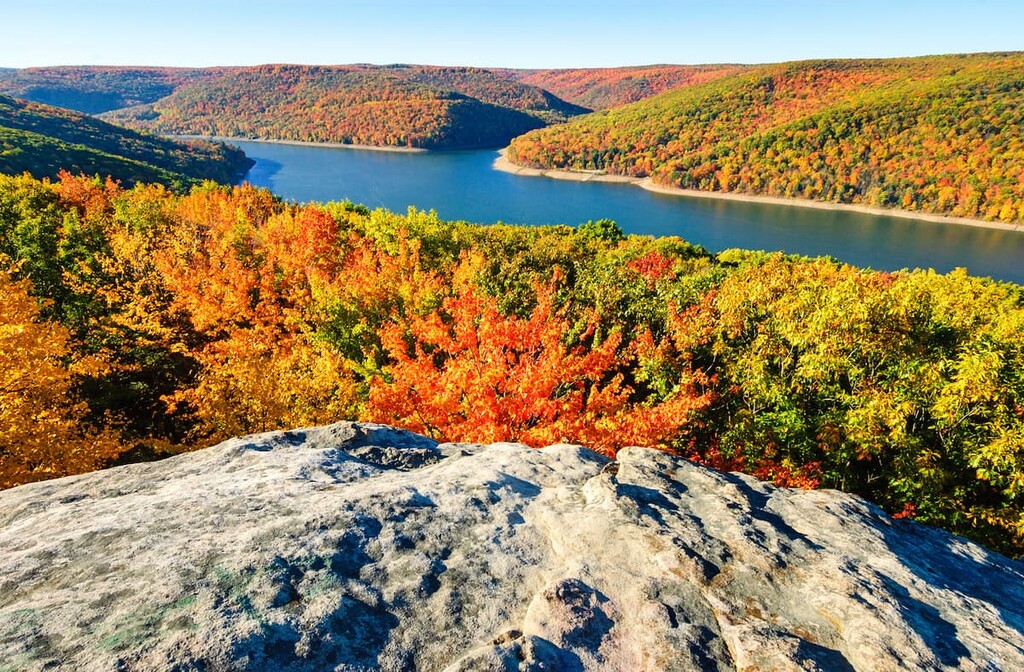
Nestled in the foothills of the Appalachian Mountains, the sleepy Allegheny River zigzags through Pennsylvania’s only national forest in the northwestern corner of the state. The forest’s best-known attraction is the Allegheny Reservoir, formed by the Kinzua Dam. It’s a quieter destination, perfect if you want a mix of outdoor recreation without chaos.
Best Things to Do: Walk the Kinzua Sky Walk, hike and bike extensive trails, fish and boat on the Allegheny Reservoir.
Best Time to Visit: Summer for water activities and hiking; fall for foliage; winter for snowmobiling.
Best National Forests in the Midwest
Hiawatha National Forest, Michigan
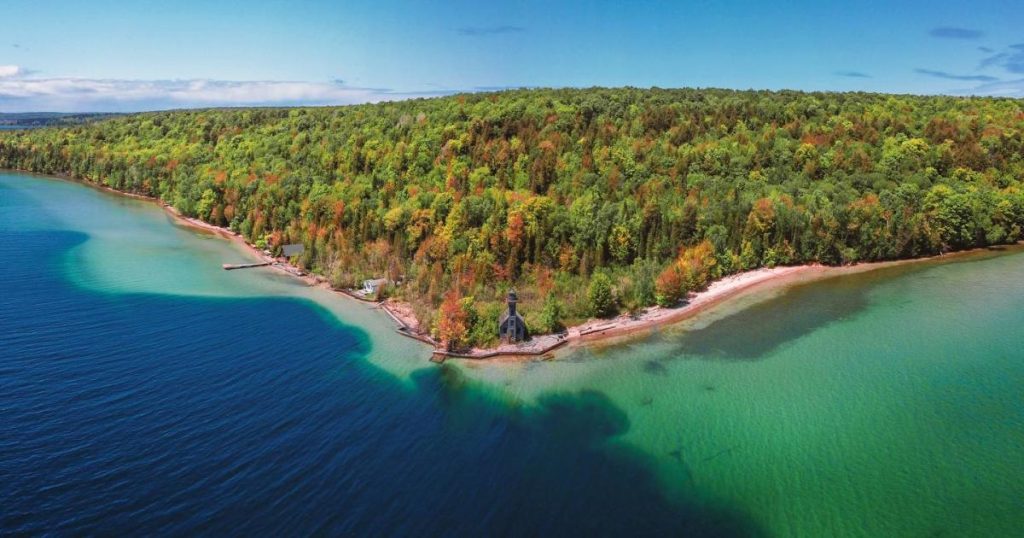
Surrounded by three Great Lakes (Superior, Michigan and Huron), Hiawatha is a water lover’s dream. Think sandy beaches, pine forests, and island views. The mix of shoreline and forest makes it feel completely different from inland destinations. With towering trees mirrored in the waters, the lakes are a haven for boating, swimming and fishing.
Best Things to Do: Hiking, visiting lighthouses, and water activities
Best Time to Visit: Summer for water activities, fall for foliage, winter for winter sports.
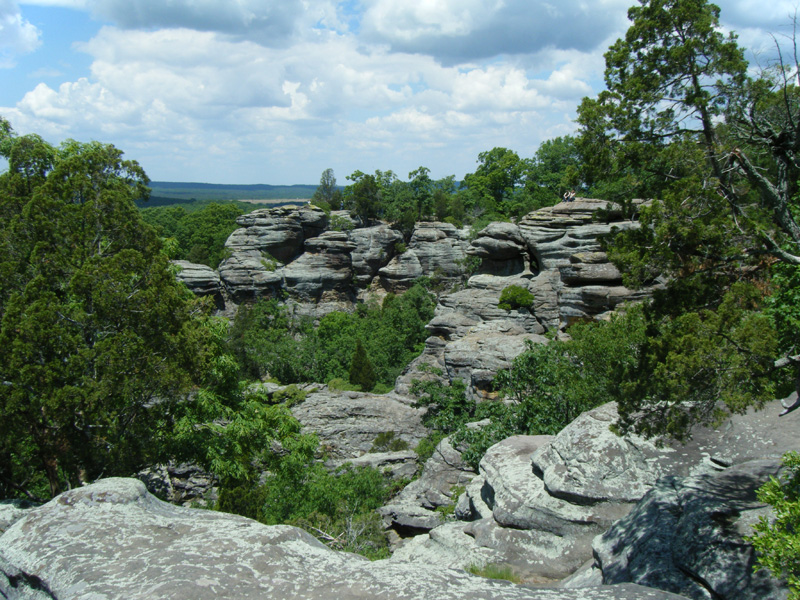
Shawnee National Forest, Illinois
Shawnee is full of surprises like rock formations, bluffs, and scenic overlooks that feel out of place in the Midwest. Spanning 289,000 acres, the Shawnee National Forest can be found nestled between the Mississippi and Ohio rivers in southern Illinois. Garden of the Gods is the highlight, with panoramic views and unique rock formations.
Best Things to Do: Hike Garden of the Gods and Rim Rock Recreational Area, visit the Little Grand Canyon and go ziplining.
Best Time to Visit: Spring and Fall for milder weather.
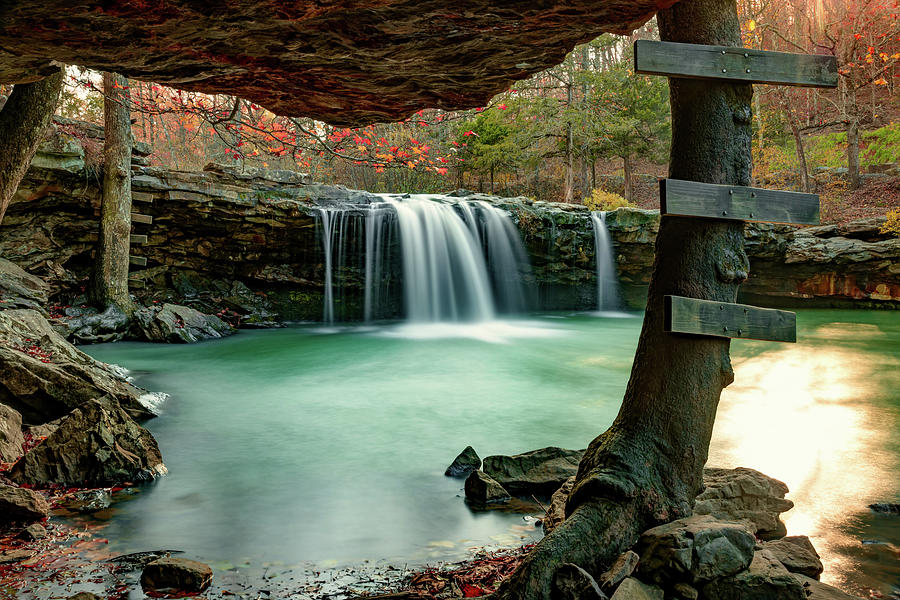
Ozark National Forest, Arkansas
Running along the Arkansas River Valley, just south of the Ouachita Mountains, the Ozark National Forest in northern Arkansas is one of the most scenic landscapes in the country. Rolling mountains, waterfalls, and thick woodland define the Ozarks. In spring, wildflowers take over. In fall, the forest turns into a mix of reds and golds.
Best Things to Do: Tour Blanchard Springs Caverns, take a scenic drive, enjoy the water.
Best Time to Visit: Spring when the trees are in full bloom with white and pink. Fall brings an abundance of reds, orange and yellow.
Northern U.S. Forests for Lakes & Wilderness
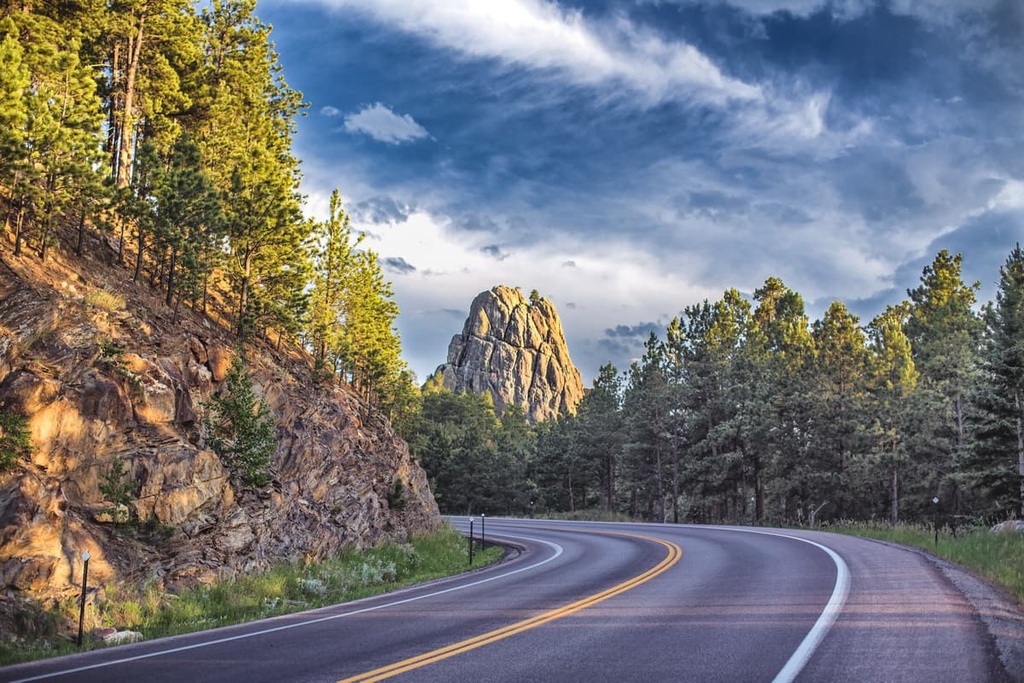
Black Hills National Forest, South Dakota
Straddling South Dakota and Wyoming, the Black Hills National Forest gets its name from the dark pine-covered hills that rise thousands of feet above the surrounding prairies and whose nickname is “The Island in the Plains’. Black Elk Peak can be found here, at 7,242 feet tall, it is the highest point in the US east of the Rockies. Its historic lookout offers blissful views across South Dakota, Wyoming, Montana and Nebraska.
Best Things to Do: Take a scenic drive, see the view from Black Elk Peak, soak in the views (& History) at Mount Roosevelt Friendship Tower.
Best Time to Visit: Mid-May to Mid-June and late September offer the best temperatures. Summer offers great hiking and water activities.
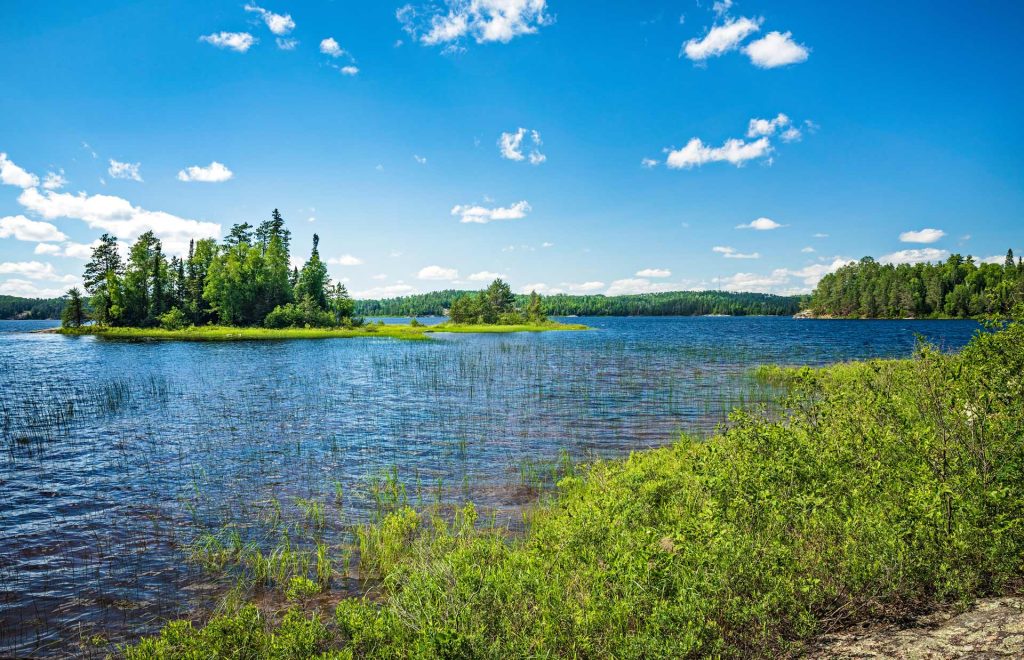
Chippewa National Forest, Minnesota
Water is everywhere here, over 1,300 lakes, 923 miles of streams and over 400,000 acres of wetlands. It is home to more lakes and wetlands than any other national forest. It’s peaceful, wild, and one of the best places in the U.S. for a true “get away from everything” experience.
Best Things to Do: Explore Leech Lake and other surrounding lakes, hiking and water activities.
Best Time to Visit: Anytime, Spring and Fall for hiking, Summer brings water activities and winter brings skiing and snowmobiling.
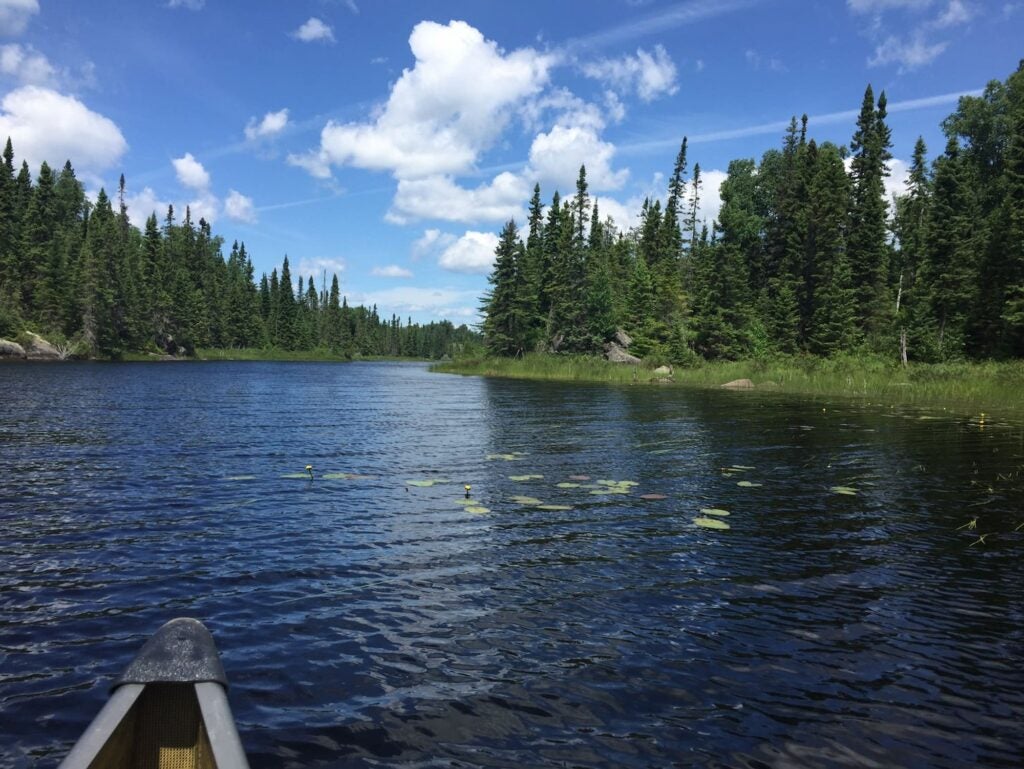
Superior National Forest, Minnesota
Home to the Boundary Waters Canoe Area Wilderness, this forest is all about paddling, solitude, and raw nature. It’s one of the best places in the U.S. for canoe trips and backcountry adventures. Winter transforms the landscape into a snowy wonderland, ideal for cross-country skiing and snowmobiling. The forest’s diverse habitats are home to wolves, moose, and the elusive lynx, providing ample wildlife viewing opportunities.
Best Things to Do: Canoeing in BWCAW, hiking, cross-country skiing, and snowmobiling.
Best Time to Visit: Summer for canoeing and winter for snow activities.
Southwest National Forests with Unique Landscapes
Cibola National Forest, New Mexico
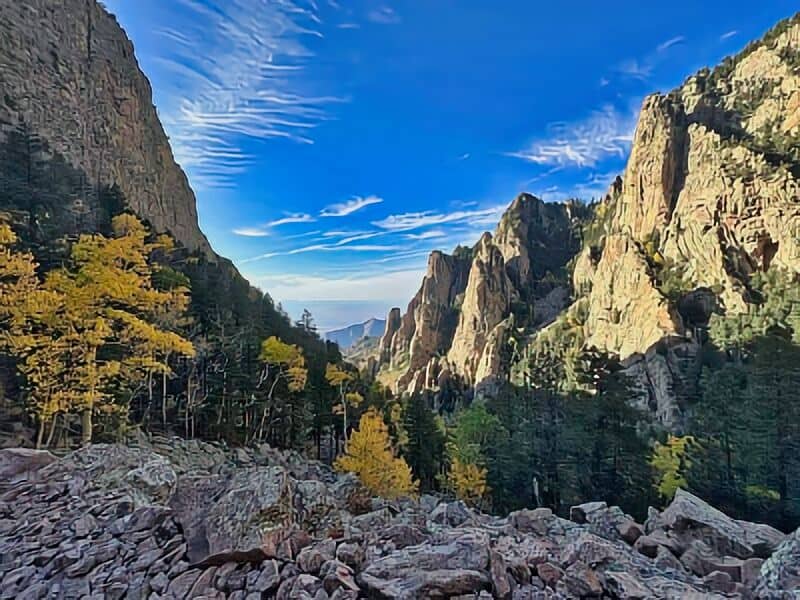
When you think of the southwest, sky islands (mountain ranges rising out of desert landscapes), probably don’t come to mind, but that’s exactly what makes up the 1.6 million acres of Cibola National Forest in New Mexico. Don’t miss the Sandia Peak Tramway, the nation’s longest, which carries visitors for 2.7 miles to the top for panoramic views of Albuquerque and the Rio Grande Valley. This contrast creates dramatic scenery you don’t expect in the Southwest.
Best Things to Do: Hike Mount Taylor, take a scenic drive, ride the Sandia Peak Tramway, in winter enjoy snow activities
Best Time to Visit: Spring and summer for hiking, winter for outdoor activities.
Coconino National Forest, Arizona
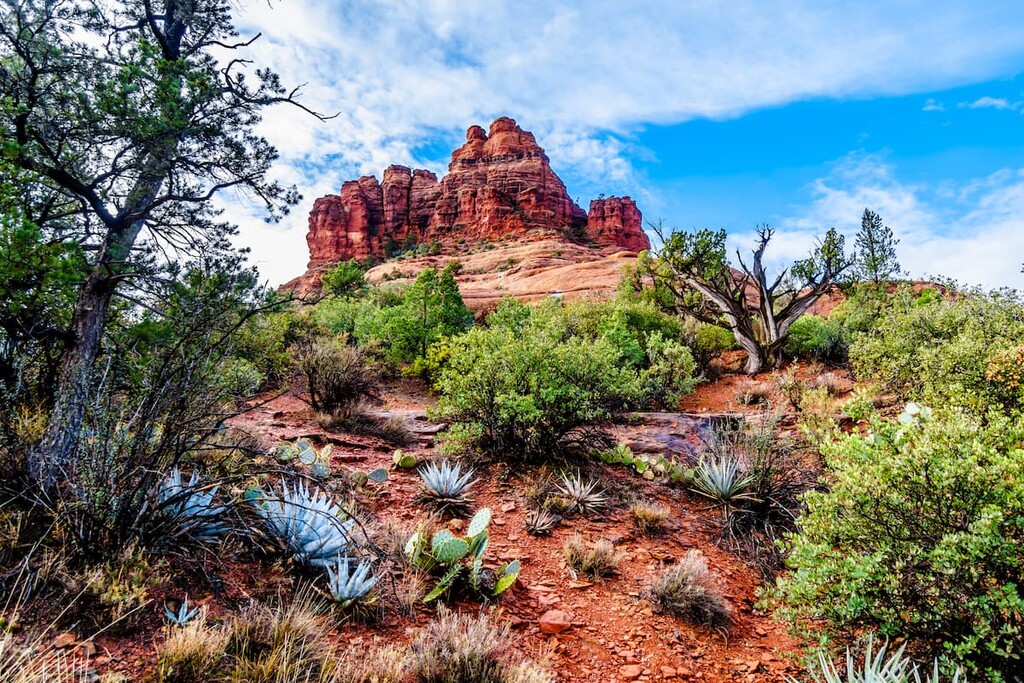
Diverse doesn’t fully capture the essence of Coconino National Forest. From the red cliffs of Sedona to the alpine tundra of the San Francisco Peaks, you’ll find landscapes that are as varied as they are breathtaking. You’ll find red rocks in Sedona, alpine tundra, and dense pine forests, all in one place.
Best Things to Do: Visit Sedona’s vortex sites, hike the San Francisco Peaks, explore the Lava River Cave.
Best Time to Visit: March to May and September to November for mild weather.
Dixie National Forest, Utah
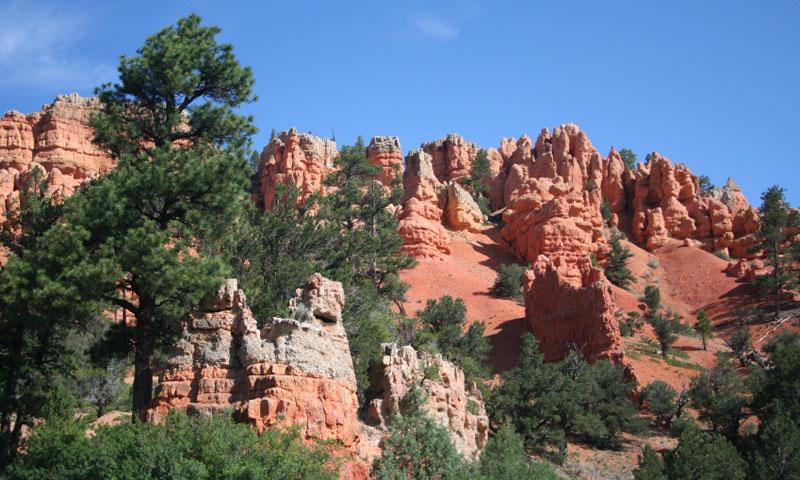
Occupying almost two million acres, the Dixie National Forest stretches across the divide between the Great Basin and the Colorado River. Utah’s largest national forest delivers colorful rock formations, alpine lakes, and high-elevation forests. Red Canyon is one of the standout spots, with bright red rock contrasted by green pines. Dixie is also home to Boulder Mountain, and, when in season, its thickly forested summit is dotted with colorful alpine flowers
Best Things to Do: Hike to Cedar Breaks National Monument, visit Navajo Lake, or take a scenic drive.
Best Time to Visit: April to October for outdoor exploration, winter for snow activities.
Charming Northwest National Forests
Bridger-Teton National Forest, Wyoming
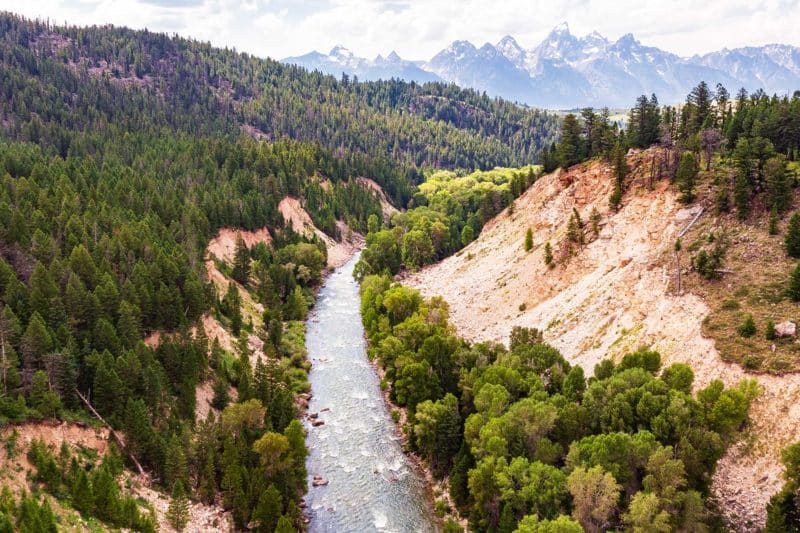
A lesser-known forest in the northwest, the Bridger-Teton National Forest, is extremely impressive. Around 3.4 million acres of watersheds, vast wildlands, and granite mountains encompass the forest landscape. The forest provides a habitat for grizzly bears, mule deer, elk, and over 355 species of birds.
Best Things to Do: Backpack the Wind River Range, spot incredible wildlife, and go rafting on the Snake River.
Best Time to Visit: Summer for hiking and camping; winter for skiing and snowshoeing.
Best National Forests in the Western U.S.
Humboldt-Toiyabe National Forest, Nevada and California
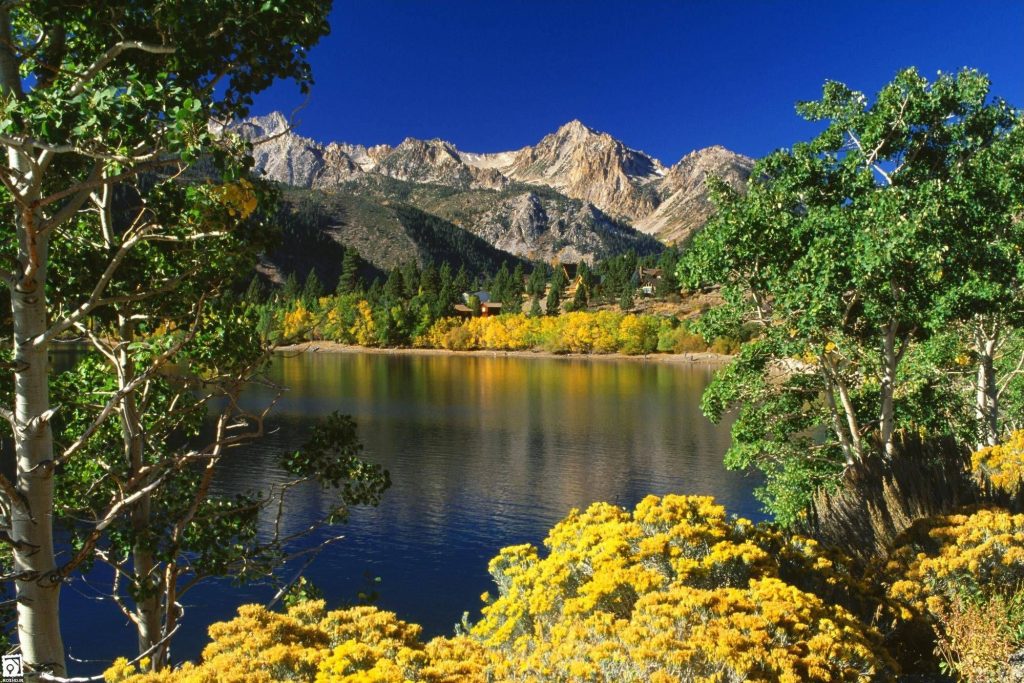
The largest national forest in the lower 48, this one is wildly underrated. Humboldt-Toiyabe National Forest does not resemble most other National Forests in that it has numerous large but non-contiguous sections scattered across most of the state of Nevada and a portion of Eastern California. From the Spring Mountains, which offer rocky tree-covered peaks and crystal alpine lakes to desert cactus and rocky outcrops, the forest delivers some of the best of the West Coast’s beauty. Three of Nevada’s five tallest peaks lie within the Humboldt-Toiyabe National Forest, including Mt. Moriah, Mt. Jefferson and Mt. Charleston.
Best Things to Do: Visit Mt. Charleston, hike to Galena Creek Falls, take a scenic drive.
Best Time to Visit: May through September for warmer temperatures.
San Bernardino National Forest, California
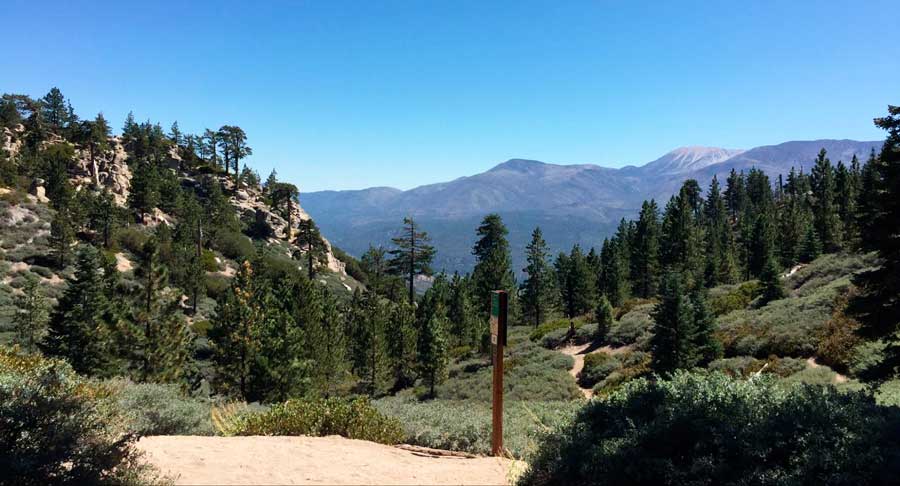
With its towering oaks and manzanitas set against beautiful mountain scenery, California’s San Bernardino National Forest feels a world apart from nearby Los Angeles. Covering more than 800,000 acres, it’s home to lot of greenery, from conifer and oak woodlands to chaparral and pinyon-juniper trees. Rising high above the foliage, the forest’s magnificent Santa Rosa and San Jacinto Mountains National Monument is one of the most scenic spots. With an elevation of 10,834 feet, it provides breathtaking mountain views.
Best Things to Do: Visit Deep Creek Hot Springs, take a scenic drive on Rim of the World Scenic Byway and Palms to Pines Scenic Byways, swim in Big Bear Lake.
Best Time to Visit: Spring and Fall for milder temperatures, winter for snow sports.
Sequoia National Forest, California
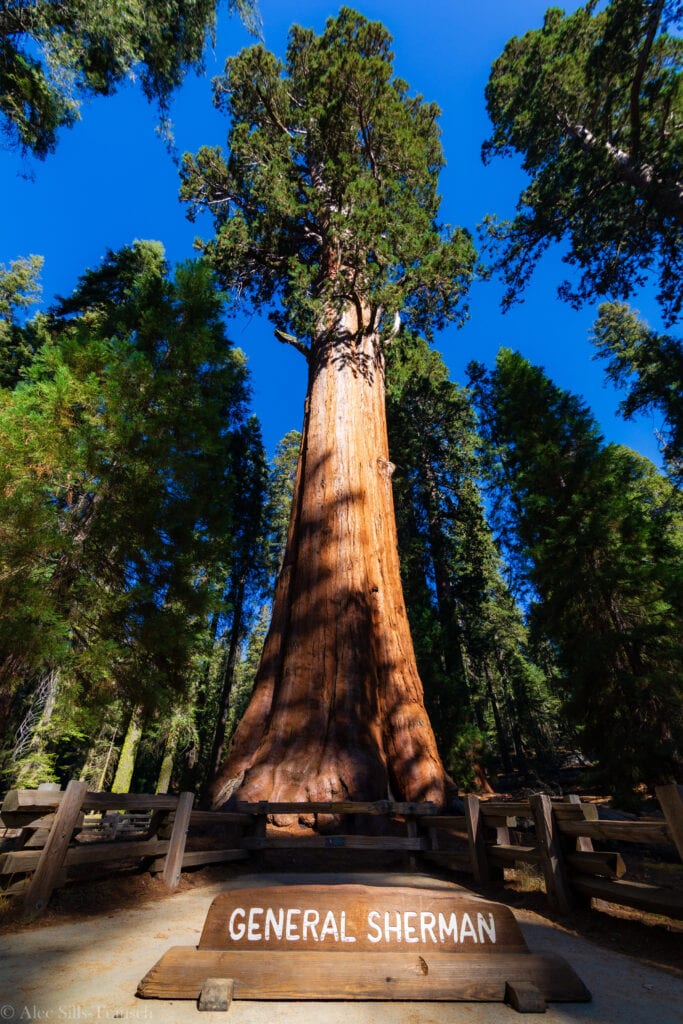
Home to some of the largest trees on Earth, this forest feels humbling in the best way. Giant sequoias tower above you while rivers, granite cliffs, and mountain views surround the landscape. The most famous tree is General Sherman, the largest tree on Earth. Granite monoliths, glacier-carved canyons, roaring white-water rapids and picturesque lakes are just a few of this forest’s stunning natural wonders.
Best Things to Do: Visit General Sherman, take in the views at Moro Rock, take a scenic drive through the park.
Best Time to Visit: June through August for the best weather.
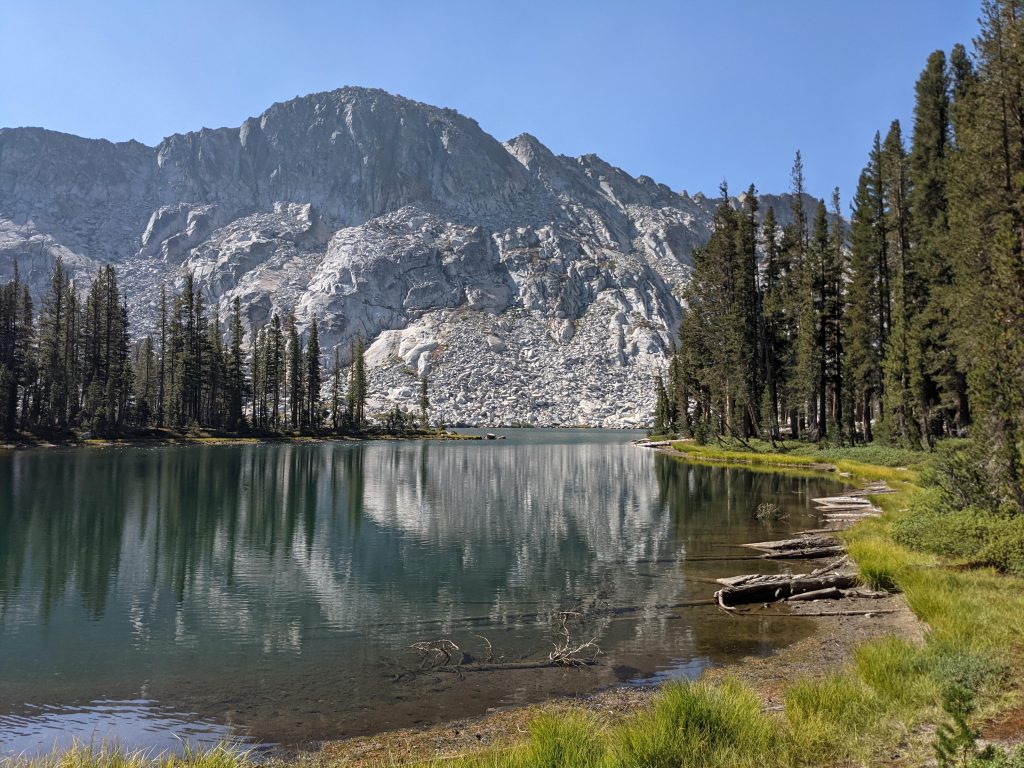
Sierra National Forest, California
Right next to Yosemite, but way less crowded. You’ll get the same kind of dramatic scenery: mountains, lakes, and wilderness, without fighting for parking. Highlights include the majestic giant sequoias in the Nelder Grove and the breathtaking views from the John Muir Wilderness. The forest is a hub for outdoor activities, with trails for hiking, mountain biking, and horseback riding, as well as lakes and rivers for fishing and boating.
Best Things to Do: Hiking in the John Muir Wilderness, visiting giant sequoias in Nelder Grove, fishing and boating in high mountain lakes.
Best Time to Visit: Late Spring through early fall for hiking and camping; winter for snow sports.
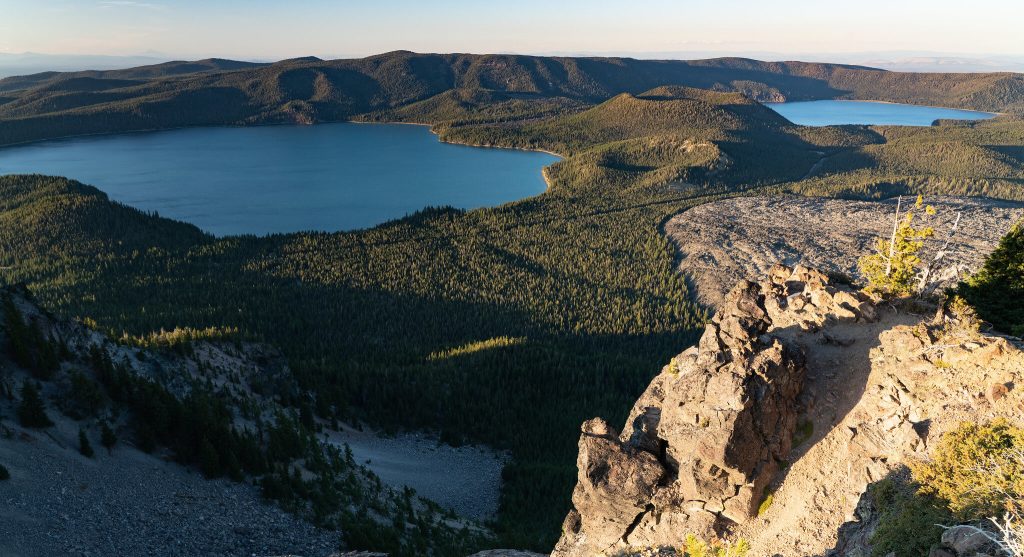
Deschutes National Forest, Oregon
Deschutes encompass a diverse landscape of forests, mountains, lakes, and volcanoes in the heart of Oregon. The Newberry National Volcanic Monument features fascinating geological formations, including lava flows, cinder cones, and the Newberry Caldera. The waters of the Deschutes River are popular for fly fishing and whitewater rafting.
Best Things to Do: Mountain biking on the McKenzie River Trail, skiing at Mount Bachelor, exploring the Newberry National Volcanic Monument.
Best Time to Visit: Summer for hiking and biking; winter for skiing and snowboarding.
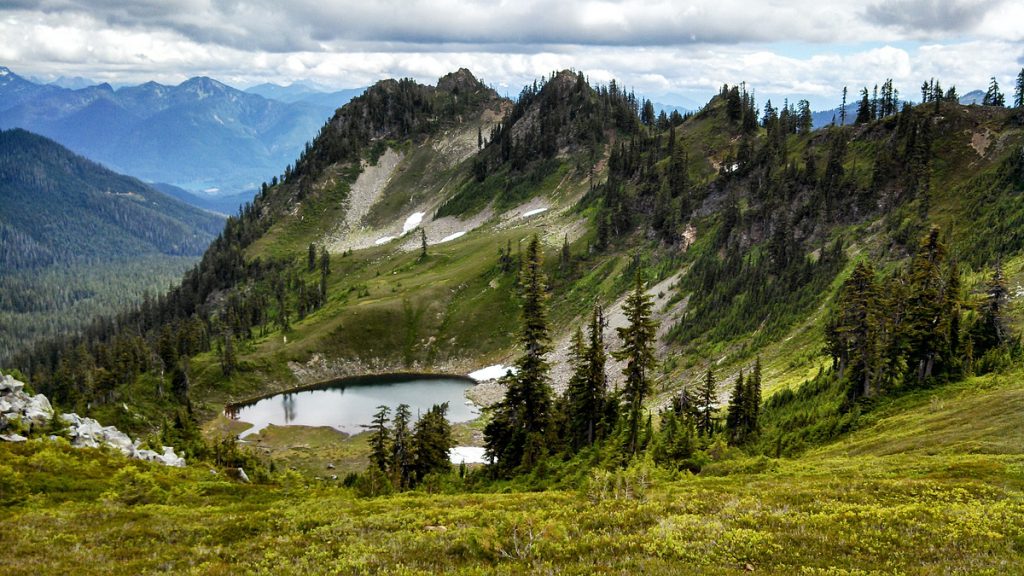
Mount Baker-Snoqualmie National Forest, Washington
This forest trails more than 140 miles along the west side of the Cascades between the Canadian border and the Mount Rainier National Park. There are more glaciers and snowfields here than any other national forest in the lower 48 states. With its amazing wildlife and breathtaking natural beauty, it is one of the most visited forests in the country.
Best Things to Do: Hike to Artist Point for views of Mount Baker, visit the scenic Nooksack Falls, take a drive on Mount Baker Scenic Byway.
Best Time to Visit: Summer for hiking and exploring, winter for snow sports.
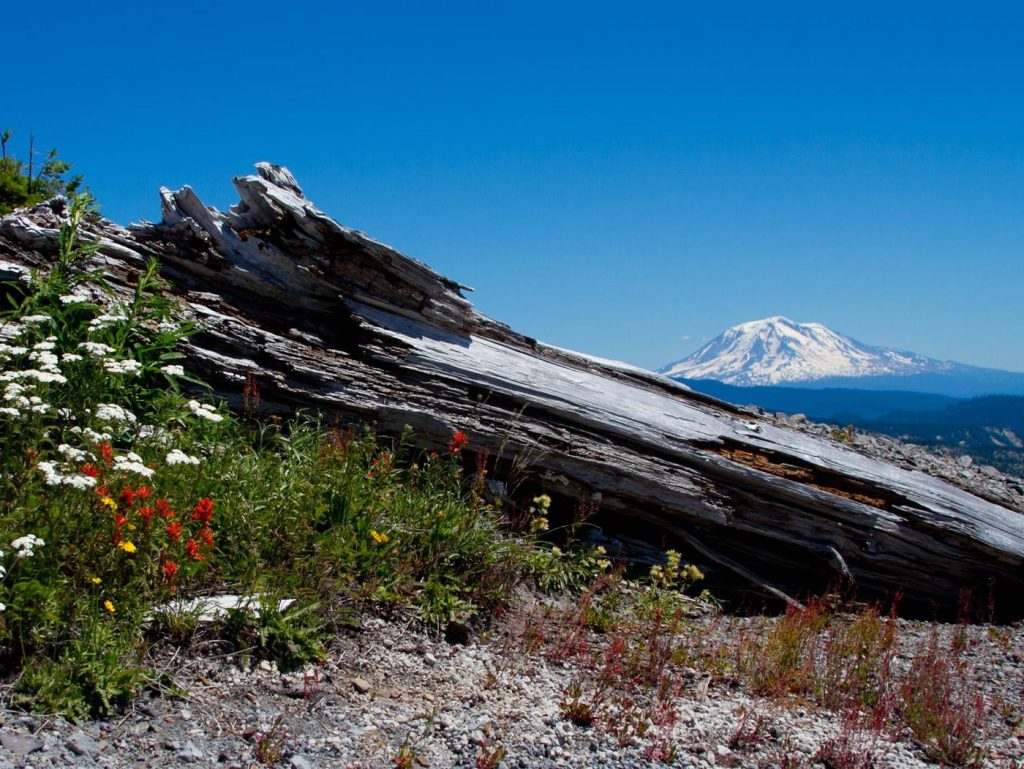
Gifford Pinchot National Forest, Washington
Covering a large portion of the Cascade Range, the Gifford Pinchot National Forest is a landscape of immense beauty and geological diversity. This forest is home to the Mount St. Helens National Volcanic Monument. The forest boasts over 1,300 miles of trails, winding through lush old-growth forests, alpine meadows, and along scenic rivers.
Best Things to Do: Explore Mount St. Helens, hike the Pacific Crest Trail, enjoy old-growth forest walks.
Best Time to Visit: Summer and early fall for hiking, spring for wildflowers.
Alaska’s Wild National Forests
Chugach National Forest, Alaska
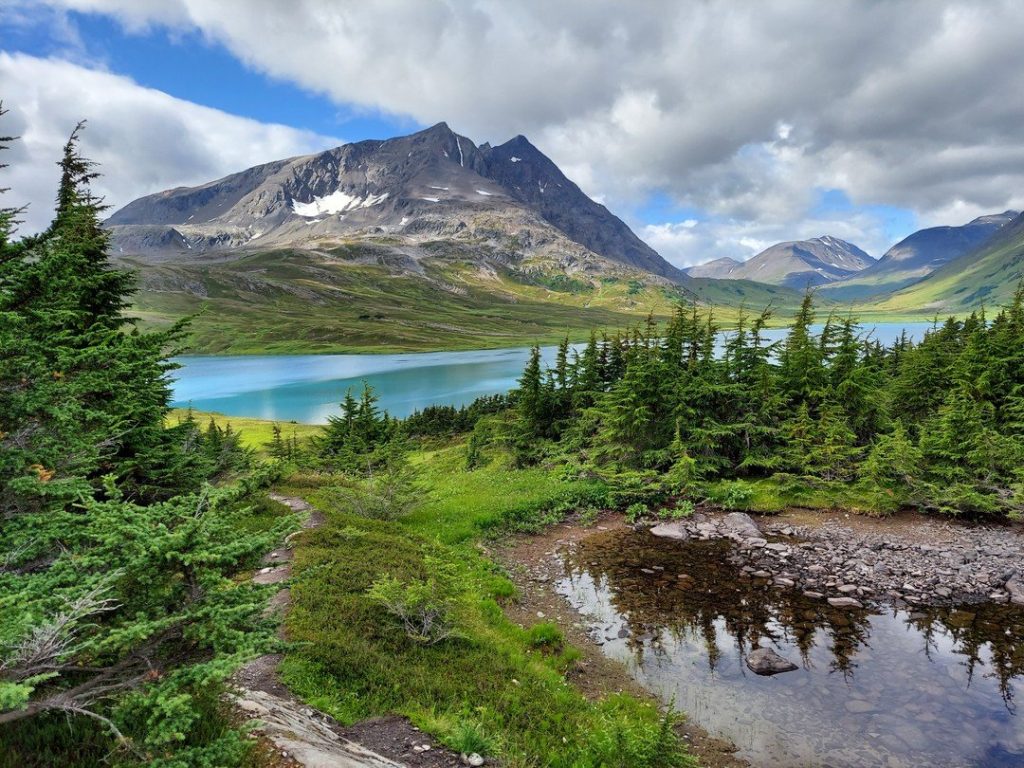
The Chugach National Forest, sprawling across Southcentral Alaska, is where glaciers, coastline, and mountains all collide. Covering over 5.4 million acres, it’s the second-largest national forest in the U.S. and offers some of the most accessible glacier viewing in Alaska. Features include the Prince William Sound, a waterway dotted with islands and surrounded by glaciers. The Kenai Peninsula, part of the Chugach, offers trails that lead to breathtaking views of the surrounding mountains and glaciers.
Best Things to Do: Glacier viewing, kayaking in Prince William Sound, fishing and hiking on the Kenai Peninsula.
Best Time to Visit: June to August for mild weather and accessible trails.
Tongass National Forest, Alaska
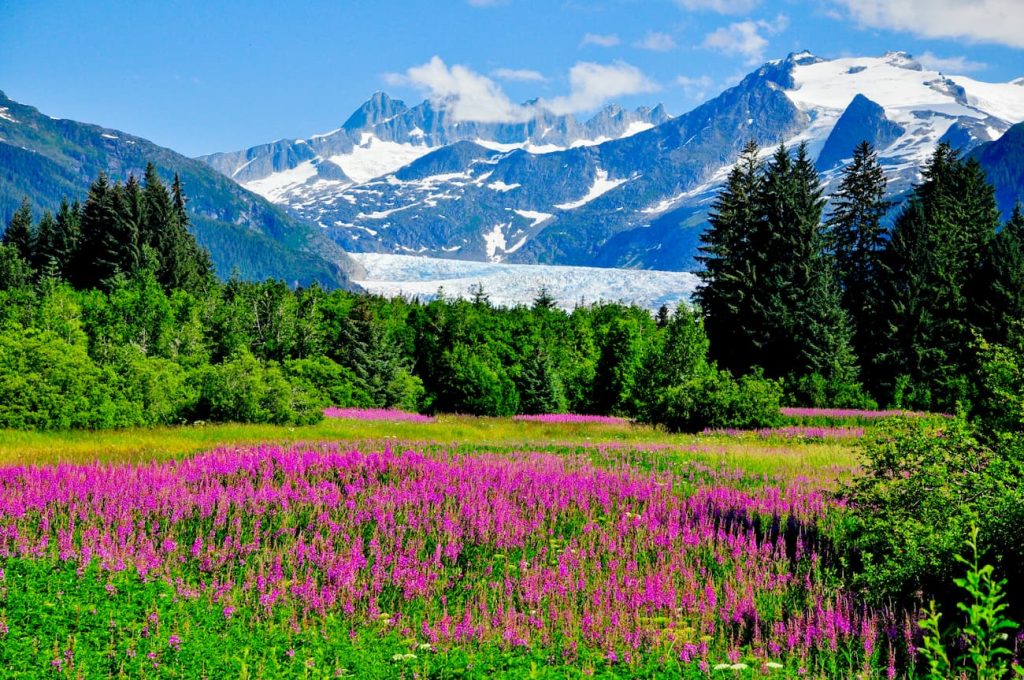
The largest national forest in the U.S., and it’s a rainforest. Tongass National Forest encompasses the majority of Alaska’s Inside Passage. Expect misty fjords, dense forests, extensive glaciers and incredible wildlife, including bears and bald eagles. Key attractions include the Misty Fjords National Monument and the Admiralty Island National Monument, which is known as the “Fortress of the Bears,” offering unparalleled opportunities for wildlife viewing and photography.
Best Things to Do: Wildlife viewing in Admiralty Island, kayaking through Misty Fjords, hiking in the vast wilderness, and fishing in pristine waters.
Best Time to Visit: May to September for milder weather and optimal wildlife viewing.
Final Thoughts
National forests offer something a lot of travelers are looking for right now – space, quiet, and freedom. You’ll often find fewer crowds and just as much beauty as the National Parks. If you’re tired of packed trails and busy viewpoints, these forests might just become your new favorite way to travel.
If you
If you want to plan a road trip to see some of these great National Forests but need some help, check out roadtrippers.com. They can help with places to eat, stay and best routes. If you use code BTR5QTP to save $5. We love to share tips and information we learn along the way to help you plan your next vacation. We hope to encourage you to find your adventures, have lots of fun and make many memories.