

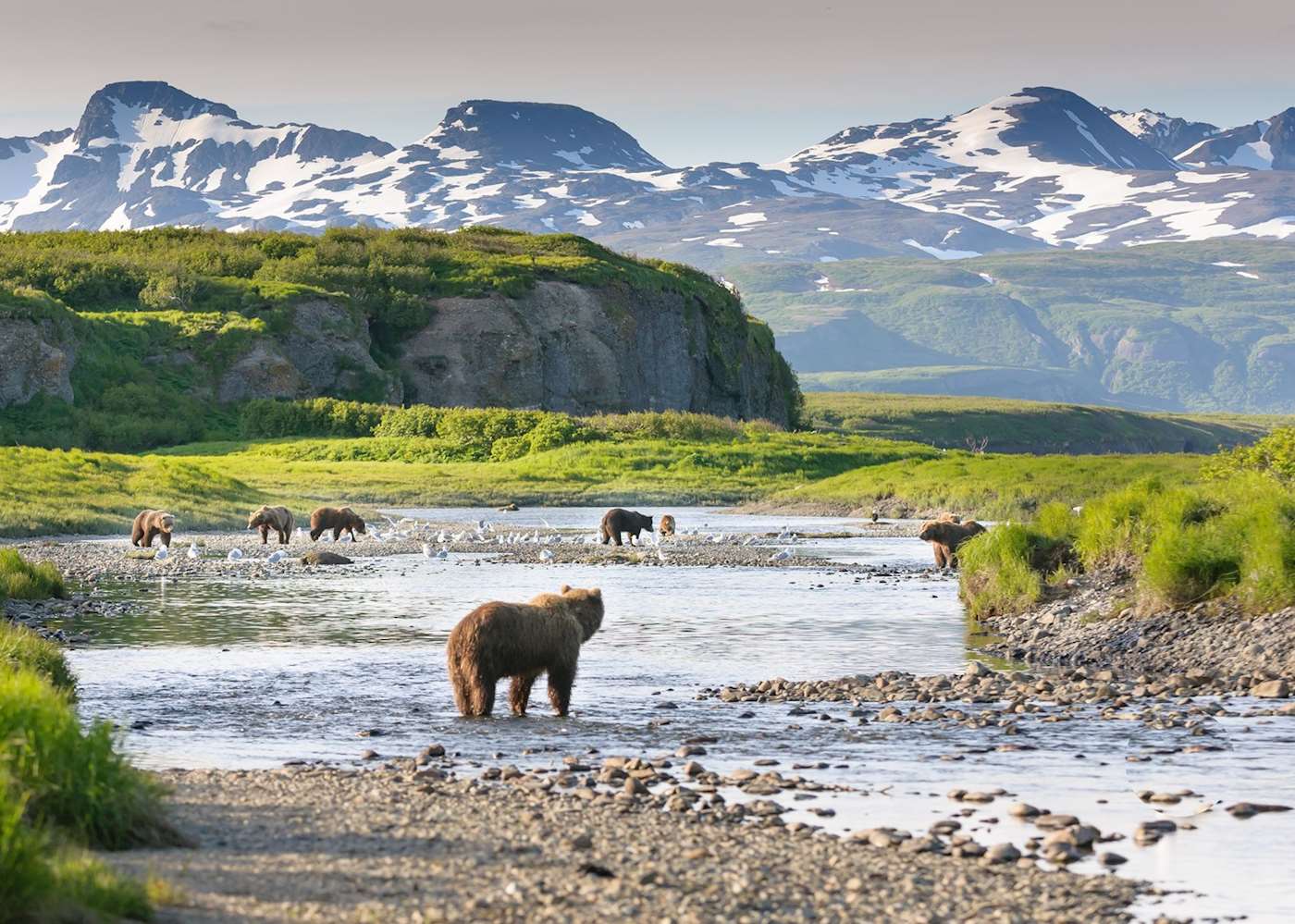
If you’ve ever pulled into a national park and immediately started circling for parking- yeah, this post is for you.
Not every national park comes with crowds, shuttle lines, and packed viewpoints. Some of the most breathtaking places in the U.S. are also the hardest to reach and that’s exactly why they’re worth it.
From wild Alaskan backcountry to remote island escapes, these lesser-visited national parks offer solitude, raw beauty, and the kind of adventure that feels a little more personal. If you’re craving space, quiet, and something off the beaten path, these parks deserve a spot on your bucket list.
As an Amazon affiliate, when you click on some of the links on this page and make a purchase, we may earn a small commission, at no cost to you! By using our affiliate links, you’ll find our favorite picks and support us at the same time. And we really appreciate your support!
Remote National Parks in Alaska (For True Wilderness Lovers)
Gates of the Arctic National Park and Preserve
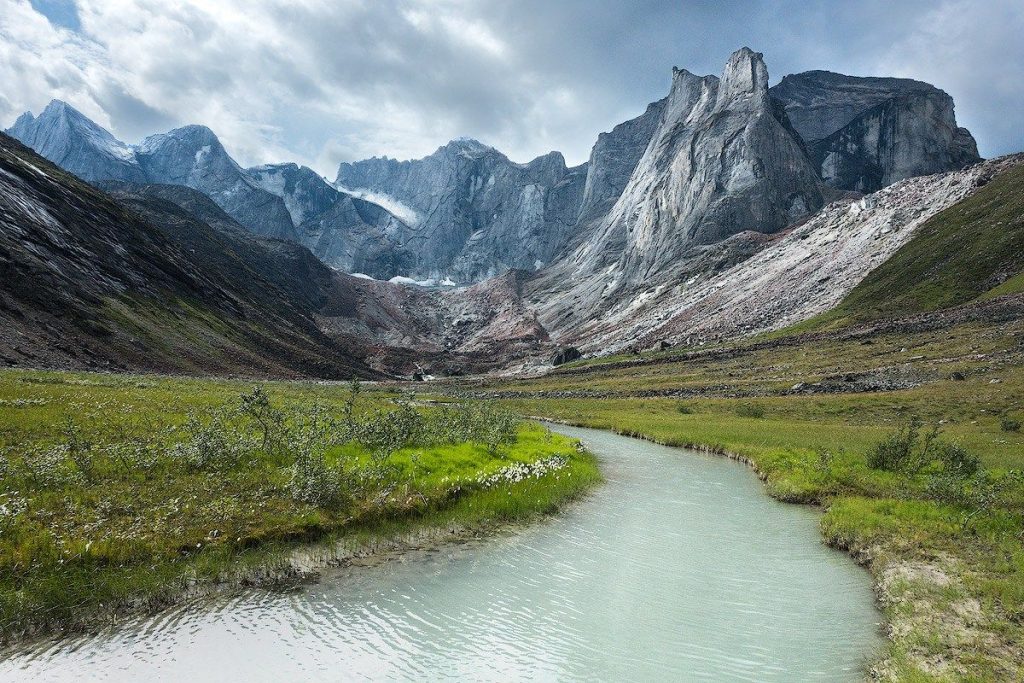
The largest national park in the U.S. and somehow still one of the least visited. But there is a reason for that, this is a wilderness park, with no roads or trails into the park, so visitors must fly or hike into the park. Spanning an enormous area north of the Arctic Circle, the Gates of the Arctic National Park and Preserve is defined by extremes.
Think quiet mountains, dense forests, rushing rivers and glacial valleys with virtually no infrastructure. No campgrounds or established trails, and no roads. There is no cell service in the park. If you plan to spend time here, you must have the knowledge and skills to be truly self-sufficient. This park is for hardcore adventurers who are looking for a total wilderness adventure.
For those visitors who don’t have the time or the backcountry skills to mount an expedition into the park, there are other options. Local air taxis provide flight-seeing trips, day trips or overnight campouts at remote locations.
Best for: Wilderness camping, sightseeing, wildlife gazing.
Katmai National Park and Preserve
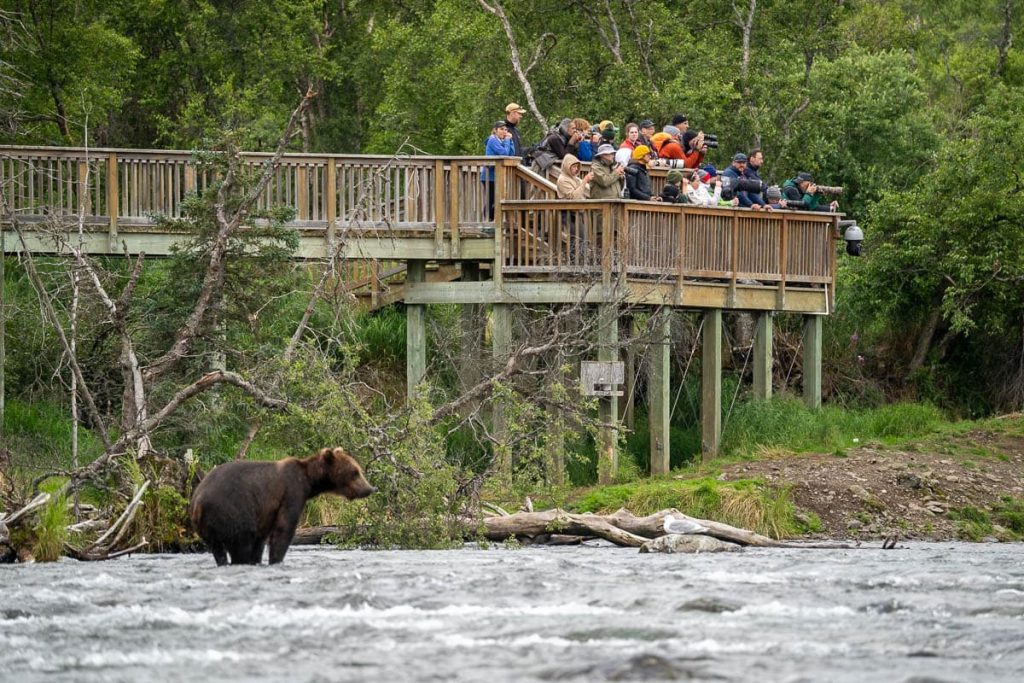
If you’ve seen those famous photos of bears catching salmon mid-air, this is the place. Spread out under the volcanic shadow of the Valley of Ten Thousand Smokes, Katmai National Park and Preserve is home to rugged peaks and wide rushing rivers populated by bears snatching at the salmon that surge through the summer waters. A top brown bear viewing spot with views unlike anywhere in the world.
Katmai is remote, rugged, and completely unforgettable. Most visitors fly into Brooks Camp for world-class bear viewing. The park is not accessible by car and has few services. Katmai is open year-round; however Brooks Camp is only open late June to September. You can find guides for bear viewing or sports fishing. One of the best ways to see the park is a flight seeing tour.
Best for: Wildlife photography, bear viewing, remote lodge stays
Pro Tip: If there was ever a place to take pictures it’s here. Don’t forget to bring an extra memory card because the bears are so cute. If you’re looking for a new camera, we like our Kodak PixPro. Besides taking great pictures, we really like the quality of the pictures.
Wrangell-St. Elias National Park, Alaska
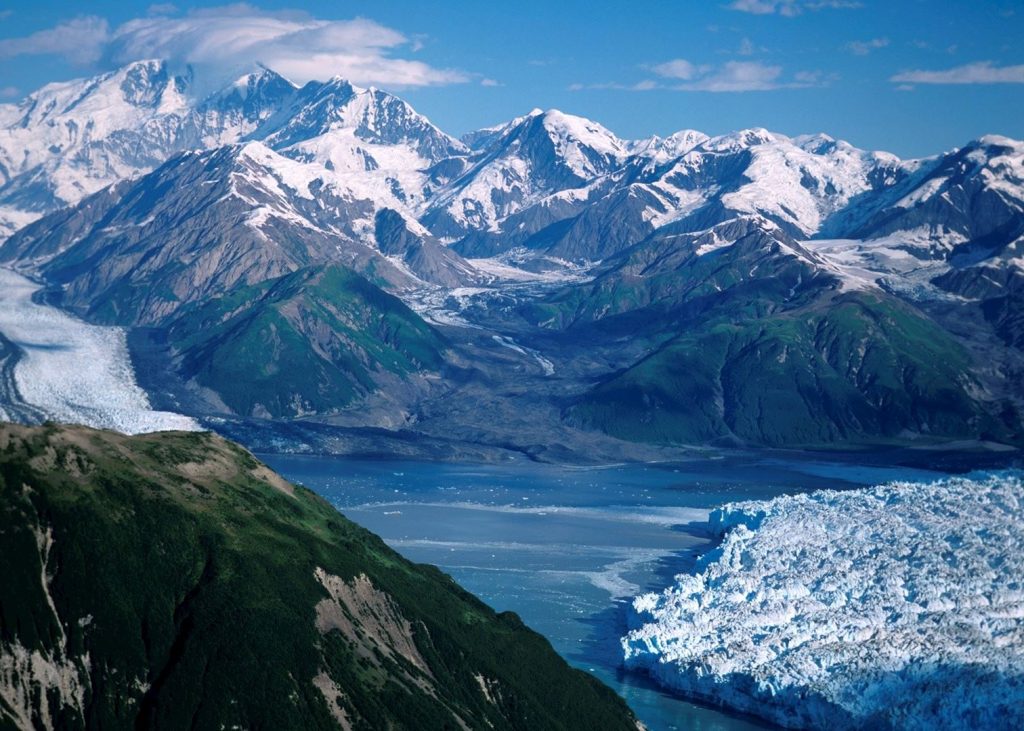
Wrangell-St. Elias is a vast national park that rises from the ocean all the way up to 18,008 ft. At 13.2 million acres it is America’s largest national park. It is home to the most extensive glacial system with over a third covered in glaciers. It is home to16 of the tallest mountains in the U.S., including Mount Wrangell, a large active volcano that, on a clear day, can be seen smoking.
Wildlife abounds here. You’ll find Dall sheep and mountain goats on mountain slopes. Caribou can be found on the slopes of the Wrangell Mountains, while Moose and bear hang out in the lowlands. Coastal areas are habitat for marine mammals, including sea lions and harbor seals. If you love wildlife, you can’t beat this park.
You can hike, boat, fish, hunt and camp in the park. There are public use cabins available, but reservations are required. There are two roads that travel through different parts of the park for you to explore. You can even take an air taxi so you can see more of the park.
Best for: wildlife viewing, glacier hunting, fishing
Pro Tip: Binoculars with cameras are really great when trying to get great photos of wildlife. This pair of binoculars are nice because they have 8X zoom, which helps when you can’t get too close.
Lake Clark National Park and Preserve
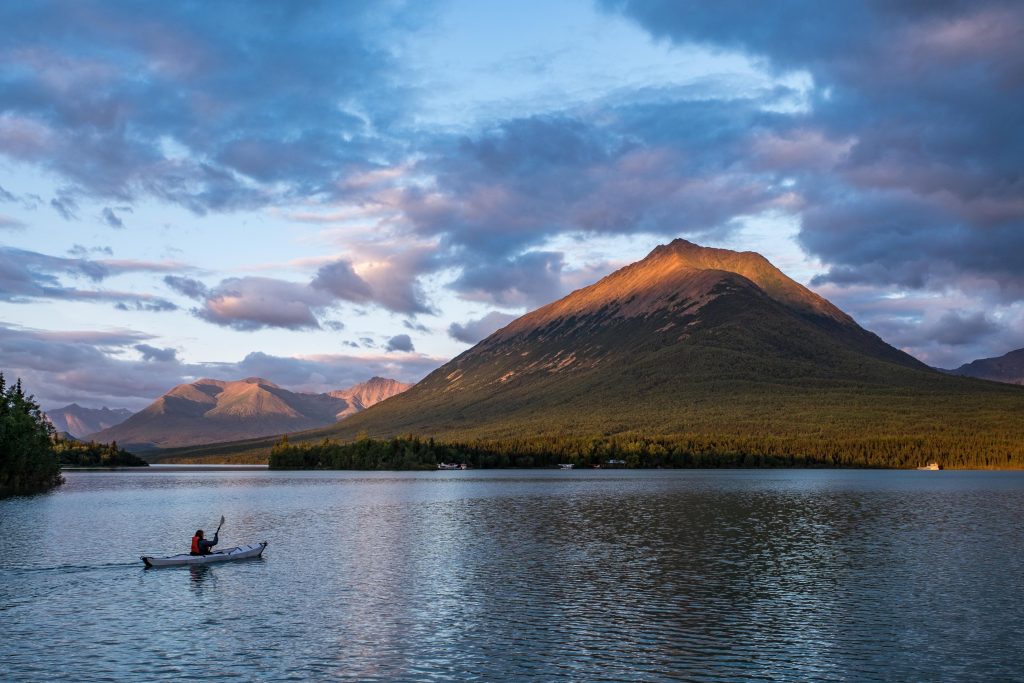
Less crowded than Katmai but just as stunning. Imagine turquoise lakes, glaciers, and coastal wilderness, all accessible only by plane or boat. There are no roads in the park. Edged by the towering Chigmit Mountains, it boasts remarkably diverse landscapes, with everything from coastal forest to Turquoise-Telaquana Plateau tundra and glaciers.
This is the place to come for wilderness adventures, including camping alongside a turquoise mountain lake. A variety of hikes are available, including easy day treks to waterfalls. Other activities include fishing and rafting. Public use cabins are available with reservations.
Best for: Fishing, kayaking, quiet wilderness escapes
Remote National Parks on the West Coast
Channel Islands National Park
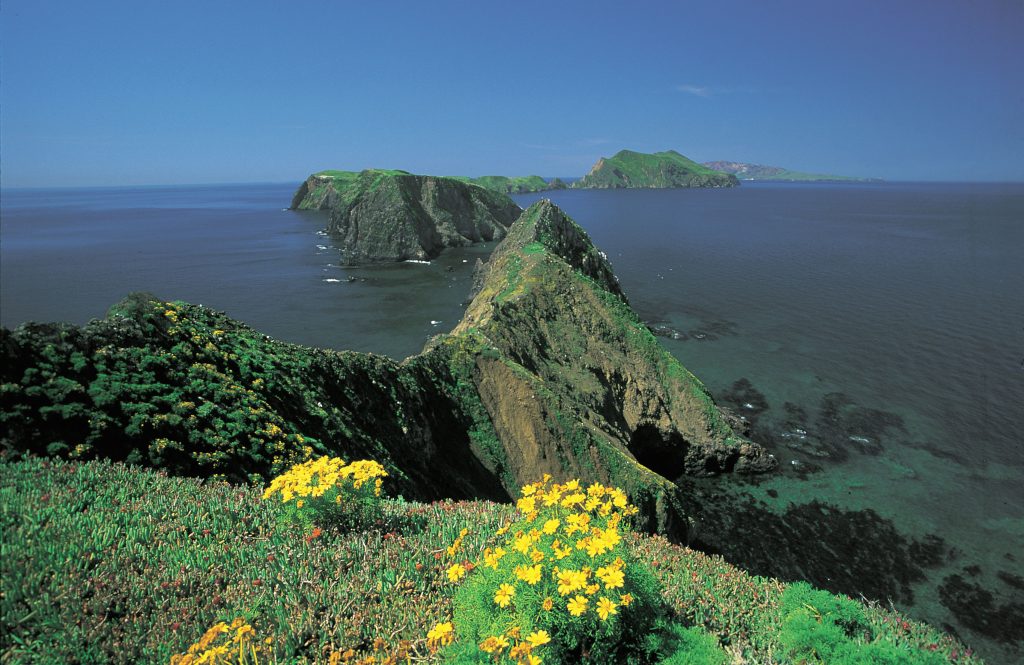
Often called the “Galápagos of North America,” this park sits just off the California coast, but feels worlds away. Secluded off the coast of California, rugged cliffs jutting from the Pacific form the remote Channel Islands National Park. The smattering of quiet isles is home to so much wildlife and so many unique species that it’s regarded as one of the stunning island destinations across the world.
No cars. No hotels. Just rugged islands, wildlife, and ocean views.
Best for: Kayaking, snorkeling, wildlife, unplugged adventures
Remote National Parks in the Midwest
Voyageurs National Park
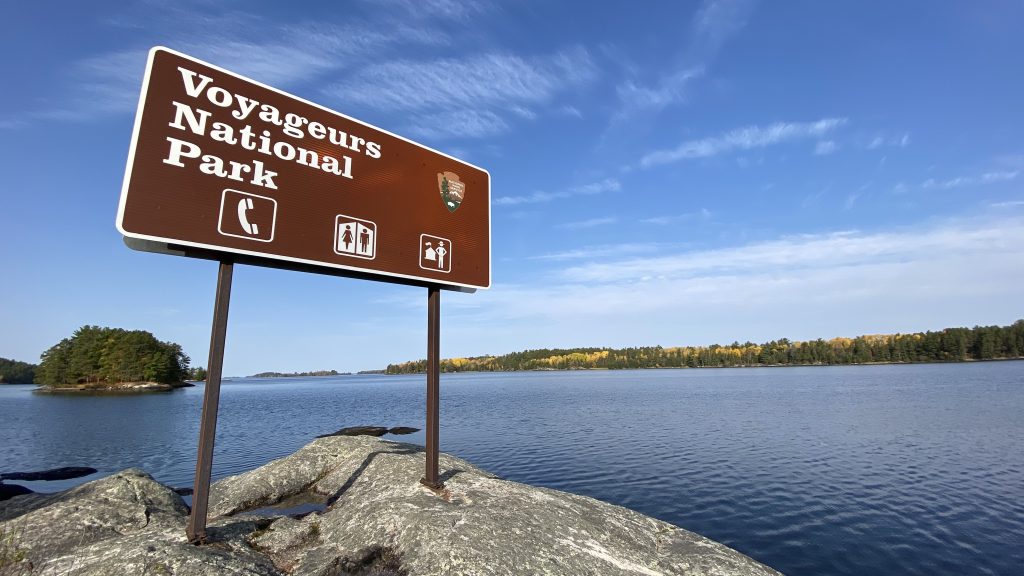
Nearly half water, this park is all about boats, kayaks, and quiet lake life. Even though you can get here by car, water travel is the way to go.
You can enjoy swimming, fishing, wildlife viewing and hiking. There is a hotel in the park that serves meals, but you can only reach it by boat.
You won’t find big crowds here, just islands, wildlife, and some of the best stargazing in the country. Dark skies plus northern state equals a great chance to see the Aurora Borealis.
Best for: Canoeing, houseboats, fishing, star gazing
Pro Tip: If you really enjoy star gazing, we recommend taking this Gskyer Telescope with a phone adapter to get great pictures of those amazing stars.
Isle Royale National Park
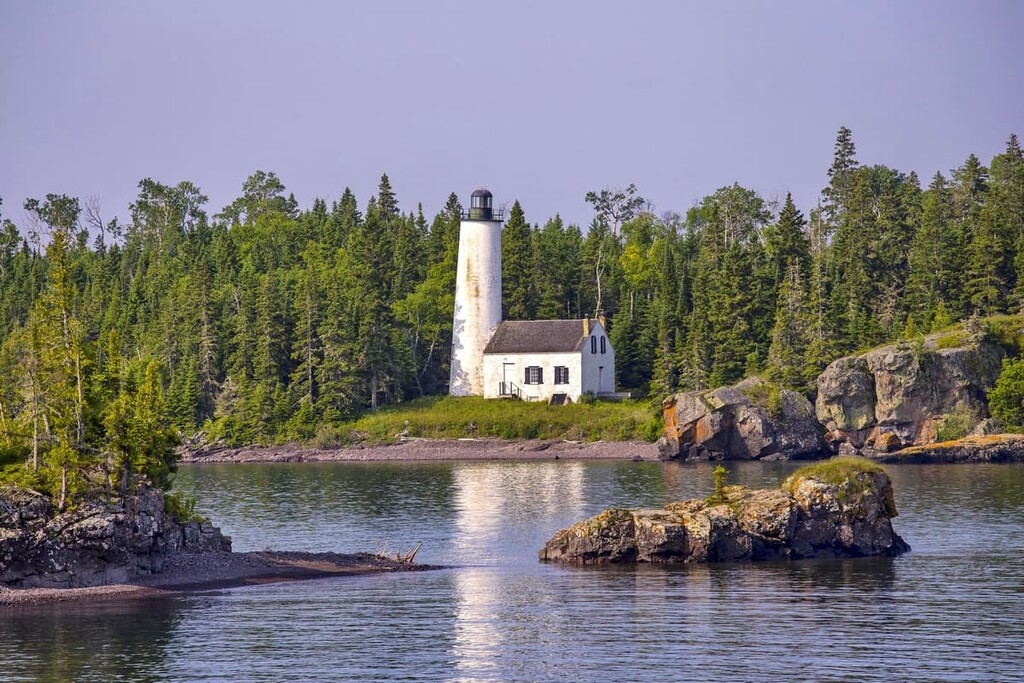
Only accessible by boat or seaplane, this park is a dream for people who want to truly disconnect. Located in the middle of Lake Superior, Michigan’s little-visited national park is made up of a network of craggy island cliffs and often empty waterside trails. Filled with paddle-in sea caves and rocky, pine-lined shores, this remote national park in the Midwest is bursting with adventure.
You can visit many islands or stay at Rock Harbor. You can set up a base camp, hike or cruise to a dock each night and rest or stay at Rock Harbor Lodge. Rock Harbor Lodge has two restaurants, the Lighthouse Restaurant and Greenstone Grill. Camp stores located in Rock Harbor and Windigo offer basic supplies.
No cars. Minimal crowds. Just forests, wildlife, and a rugged shoreline.
Best for: Backpacking, sea cave exploring, wildlife spotting
Remote National Parks on the East Coast
Dry Tortugas National Park
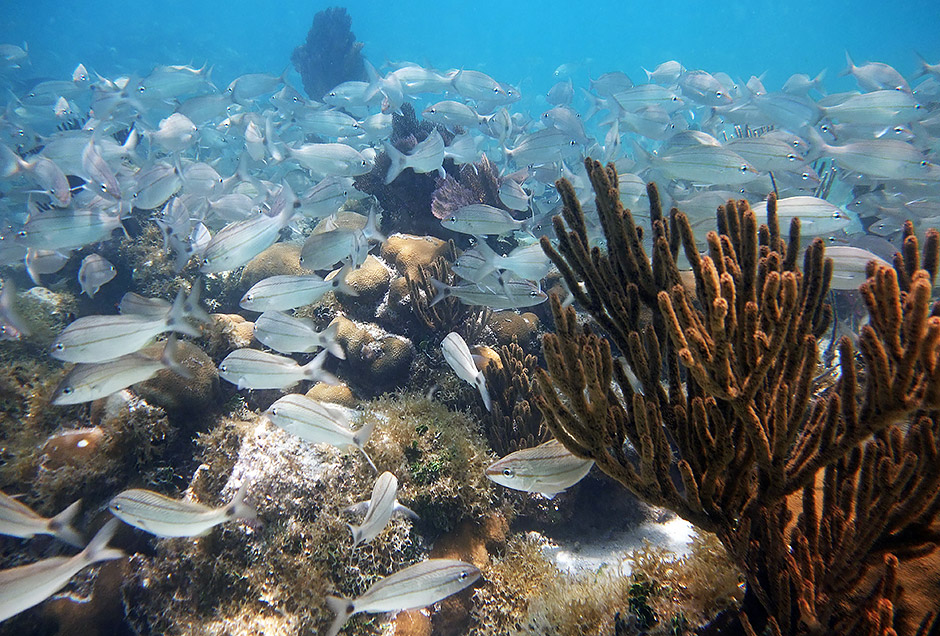
This one feels like a secret Caribbean escape, but it’s in Florida. Accessible only by boat or seaplane, it’s famous for crystal-clear water, snorkeling, and historic Fort Jefferson.
Featuring seven islands, the above-water portion of Dry Tortugas National Park only accounts for 1% of the territory, the rest is underwater, made up of 100 submerged square miles teeming with tropical fish and sea turtles.
Best for: Snorkeling, beaches, history
Pro Tip: Underwater cameras are a must when snorkeling. Dry Tortugas has some of the clearest waters to get great shots. We like this Kodak PIXPRO WPZ2. It’s the same quality as the PixPro but it is waterproof and great zoom features.
Remote U.S. National Parks in Tropical Destinations
National Park of American Samoa
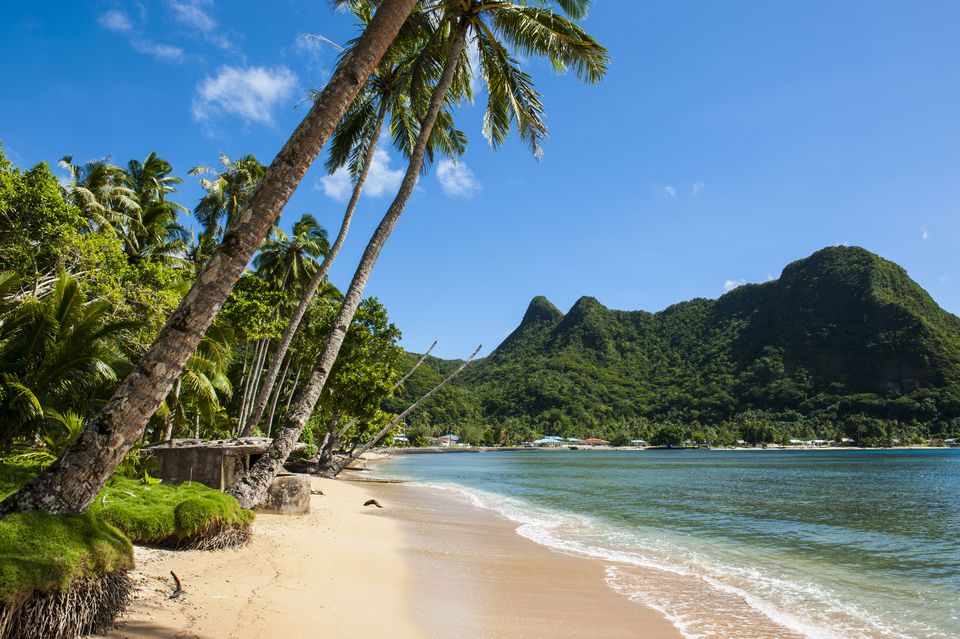
One of the least-visited national parks in the entire system and one of the most unique. Spread over three different islands, National Park of American Samoa is about as remote as you can get. To visit the park, you’ll need to fly into Pago Pago International Airport on the island of Tutuila. From there, you can access park areas on Tutuila or take a short flight to Ta’ū or Ofu, where you’ll find a remarkable underwater world with more than 950 fish species and over 250 species of coral.
Expect tropical rainforests, coral reefs, and rich Samoan culture. To get around you can rent a car, grab a taxi or take a bus.
Best for: Cultural experiences, snorkeling, tropical scenery
Virgin Islands National Park
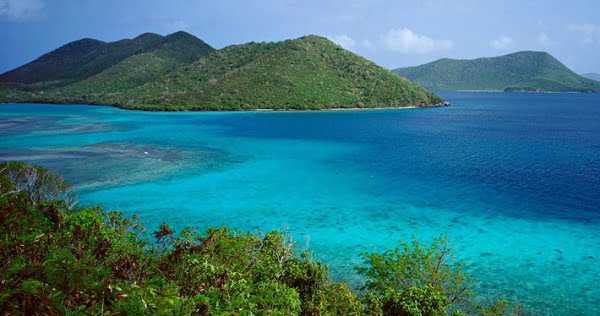
Two-thirds of St. John is protected land, making this one of the most unique (and surprisingly uncrowded) tropical parks.
Go beyond Virgin Islands National Park’s stunning white-sand beaches. Hike to historic plantation sites and visit the Indigenous Taino’s ancient petroglyphs. Snorkel coral reefs to discover hidden marine life. It blends beaches, history, and hiking into one beautiful destination.
You will need to take a ferry to St. Johns to reach this park, however you can bring your car on the ferry as there are roads in the park. Camping is available in the park at Cinnamon Bay Beach and Campground by reservation.
Best for: Snorkeling, beach days, exploring history
Final Thoughts: Are Remote National Parks Worth It?
Here’s the honest truth, these parks aren’t the easiest to visit. They take more planning. Sometimes more money. And occasionally a little more grit.
But what you get in return? Space. Quiet. And that rare feeling that you’ve found something not everyone else has. These make the trip totally worth it. If you’re tired of crowded viewpoints and want a deeper kind of travel experience, these remote national parks deliver in a way the popular ones just can’t.
We love sharing tips and information we learn along the way to help you plan your next vacation. We hope to encourage you to find your adventures, have lots of fun and make many memories.