

When most people think of winter national parks, they picture snow-covered trails, icy roads, and bundling up in parkas. But winter can also be the perfect time to visit some of America’s warmer national parks, where the crowds are lighter, the temperatures are pleasant, and you don’t have to worry about freezing conditions. We more of the warm weather, sunshine type of people and this is our list of the best national parks to visit in winter without the snow.
This post includes some affiliate links. If you make a qualifying purchase through one of these links, we will receive a small percentage of the sale at no additional cost to you. Thanks for your support.

Saguaro National Park, Arizona
This is one of my favorite National Parks. I’m a sucker for the desert, cacti, and warm weather. The daytime temperatures average at a comfortable 65 degrees from November through March at this gem just outside of Tucson. But nights are cold and there is a very low probability of snow. Even if it does snow, it will be gone by early morning. There are plenty of hiking trails, two driving loops, wildlife to visit and most importantly the beautiful Saguaro cactus to admire. These mighty cacti can grow as tall as 50 feet and live for 200 years or more. Don’t forget your camera!

Petrified Forest National Park, Arizona
Petrified Forest National Park offers a unique combination of geological wonders, ancient history, and natural beauty. Petrified wood is the star here, but the park is also popular for desert hikes, ancient fossils, and incredible views of the Painted Desert. Daytime highs range in the 50-60’s, while nights can get below 30 degrees. We were really surprised at how much we enjoyed this park. The petrified wood is so much more than what you find in stores and the Painted Desert is what I love about the southwest with its kaleidoscope of colors and beauty.

White Sands National Park, New Mexico
Home to the world’s largest gypsum dunefield, White Sands feels like a snowy wonderland, but it’s actually soft white sand! Winter daytime highs sit around 60°F, perfect for hiking and sand sledding without the scorching summer heat. Nights can get cold (25°F), so pack layers if you’re camping. I was a little in awe the first time I visited this National Park. Seeing all this white sand is a sight you shouldn’t miss, plus who doesn’t love to go sledding?

Death Valley National Park, California
One of the hottest places on Earth becomes blissfully mild in winter. Death Valley offers highs in the 60s–70s and cool nights in the 40s. With fewer crowds, it’s the best time to hike among sand dunes, explore Badwater Basin’s salt flats, and catch unforgettable sunsets at Zabriskie Point.

Joshua Tree National Park, California
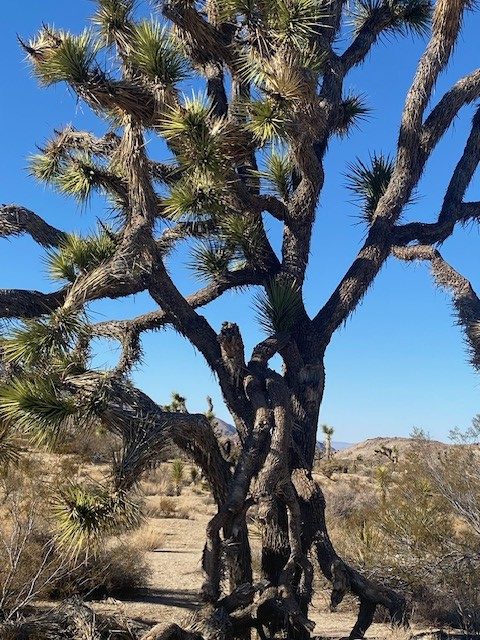
Winter is ideal for exploring Joshua Tree, with crisp 60°F days that are perfect for hiking and rock climbing. Crowds are smaller, campsites are easier to snag, and the park’s dark skies make for incredible stargazing. Just be prepared for chilly nights in the 30s if you’re staying overnight. We haven’t been to Joshua Tree in winter, but this park holds so many beautiful and unexpected sights, it’s one I’m glad I got to see. The Joshua trees look a little out of this world and you’ll find rock formations that make you smile. Be sure to take your camera! For more information about Joshua Tree National Park, check out our blog here.

Channel Islands National Park, California
Often overlooked, the Channel Islands are a hidden treasure in winter. With mild temps in the mid-60s, fewer crowds, and excellent whale-watching opportunities, it’s the perfect time to explore. Activities include hiking, camping, and kayaking through sea caves, but bring rain gear, as winter brings occasional showers. This is one to put on your bucket list.

Pinnacles National Park, California
This Central California hidden gem is great for winter adventures, with daytime highs in the 60s–70s. Whether you’re hiking, camping, or rock climbing, you’ll enjoy comfortable weather without the summer crowds. While higher elevations might see snow, it’s rare inside the park itself.

Big Bend National Park, Texas
Big Bend is vast and best explored over several days. Winter highs average mid-60s, perfect for hiking and scenic drives. At night, temperatures dip into the 40s, but the reward is some of the best stargazing in the U.S. as Big Bend is recognized as an International Dark Sky Park. We’re not much for camping, but this is on my bucket list for star gazing.

Hot Springs National Park, Arkansas
One of the most unique national parks, Hot Springs combines history with natural wonder. Here, you can soak in historic bathhouses fed by mineral-rich hot springs, hike scenic trails, and explore downtown Hot Springs. Winter brings mild daytime temps in the 50s–60s, making it a cozy and relaxing escape. Bring your bathing suit and relax in these soothing hot springs.

Everglades National Park, Florida
Winter is the dry season in the Everglades, making it the best time to spot wildlife like alligators and wading birds. Daytime temps in the 70s and cooler nights in the 50s set the stage for boat tours, tram tours, hiking, and biking through this one-of-a-kind ecosystem. If the everglades is on your wish list, then visit in winter for your best experience.

Biscayne National Park, Florida
If you’re craving tropical vibes, head to Biscayne National Park near Miami, where 95% of the park is underwater. Winter highs in the mid-70s make it perfect for snorkeling, diving, paddleboarding, or exploring the coral reefs and mangroves. So bring your sun protection and underwater camera and start your adventure!

Dry Tortugas National Park, Florida
Accessible only by boat or seaplane from Key West, Dry Tortugas is a remote paradise featuring historic Fort Jefferson and vibrant coral reefs. Snorkeling, diving, and camping are highlights, with winter highs in the 70s and cool nights. You can’t beat the temperature in winter and who doesn’t want to visit paradise?

Hawaii Volcanoes National Park, Hawaii
Trade snow for lava flows at Hawaii Volcanoes National Park on the Big Island. Winter highs reach the upper 60s–70s, with cooler nights in the 50s. Explore black sand beaches, rainforests, and volcanic landscapes, all while enjoying tropical scenery without the extreme summer heat.
Final Thoughts
We want to share information and tips we learn along the way to help you when you’re planning your next getaway. If you need help with ideas for road trips or places to stop on a trip you’re planning, check out roadtrippers.com. They have lots of ideas and the app is easy to use. If you use you code BTR5QTP, you will save $5. We used them for a trip to Palm Springs and found some fun places to stop we would have never known about without using them. Most importantly, we hope to inspire you to find your adventures, have fun and make lots of memories.
If you’re not a fan of freezing temps, snowy roads, or bundling up in heavy coats, these warm-weather national parks in winter are the perfect solution. From desert hikes to ocean adventures, winter is one of the best times to explore America’s diverse landscapes without the crowds So, pack your hiking boots, sunscreen, and light layers, and head out to enjoy a sunny side of winter in our national parks!