

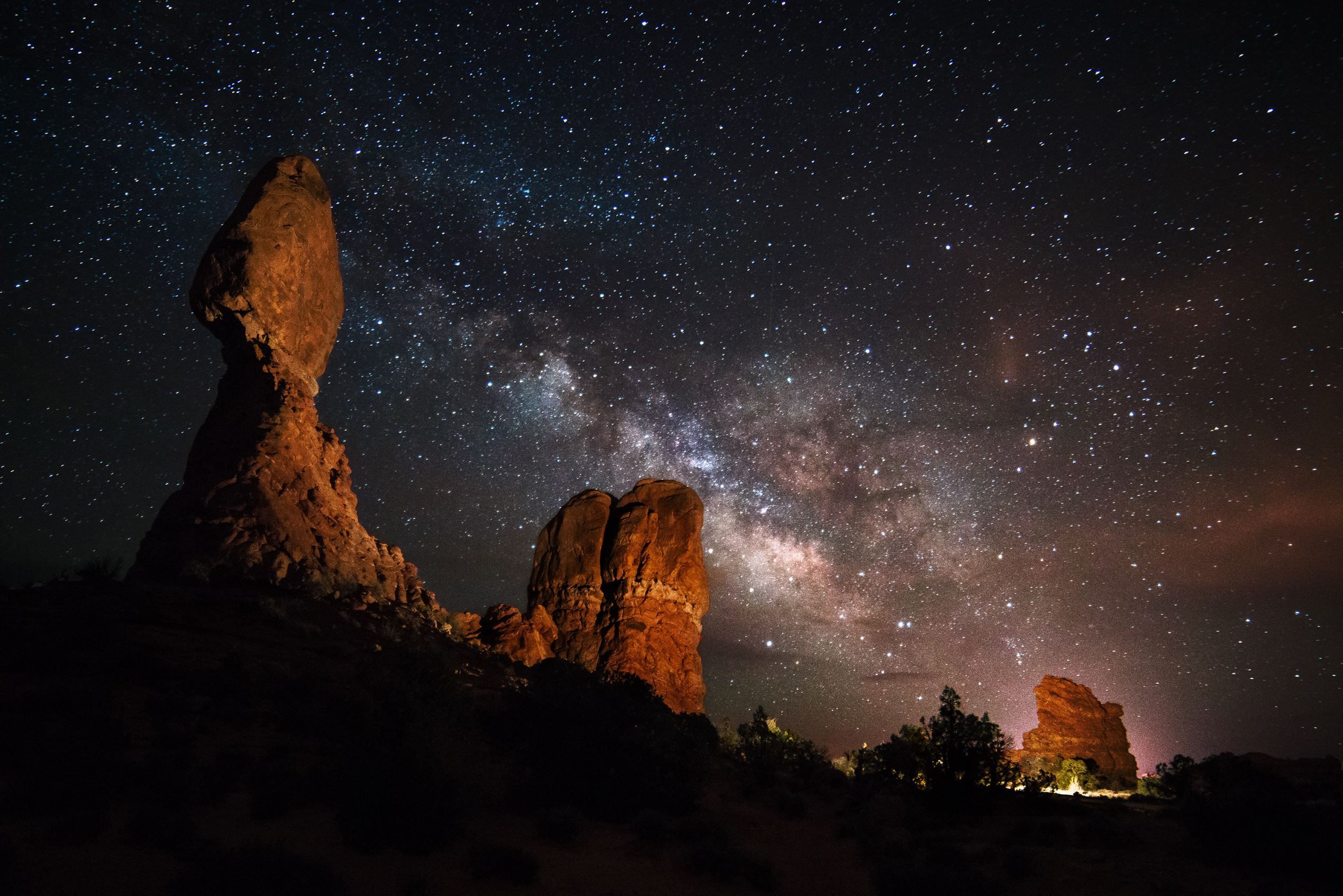
If you’re planning a trip specifically for stargazing, timing matters more than almost anything else. The right season – and even the right week – can make the difference between a decent sky and a jaw-dropping one.
As an Amazon affiliate, when you click on some of the links on this page and make a purchase, we may earn a small commission, at no cost to you! By using our affiliate links, you’ll find our favorite picks and support us at the same time. And we really appreciate your support!
Here’s how to plan it right.
Visit During a New Moon
This is the single most important factor.
A full moon will wash out the stars almost completely. For the darkest skies and best Milky Way visibility, plan your visit within a few days of the new moon. Even a quarter moon can significantly reduce what you’ll see.
Pro tip: Check a moon phase calendar before booking accommodations. You can find a calendar on the Farmer’s Almanac website or Star Walk website.
Best Season for Seeing the Milky Way
-The Milky Way’s “core” is visible in the United States from roughly: Late March through October. This is when you can see the center of the Milky Way.
-Peak visibility typically runs: May through September
-Best viewing hours: 10 p.m. to 2 a.m.
If your goal is dramatic Milky Way photography or bucket-list stargazing, late spring through early fall is ideal.
Pro Tip: If you don’t want to bring a camera and tripod with you, get these Night Vision Goggles to get great pictures of the sky.
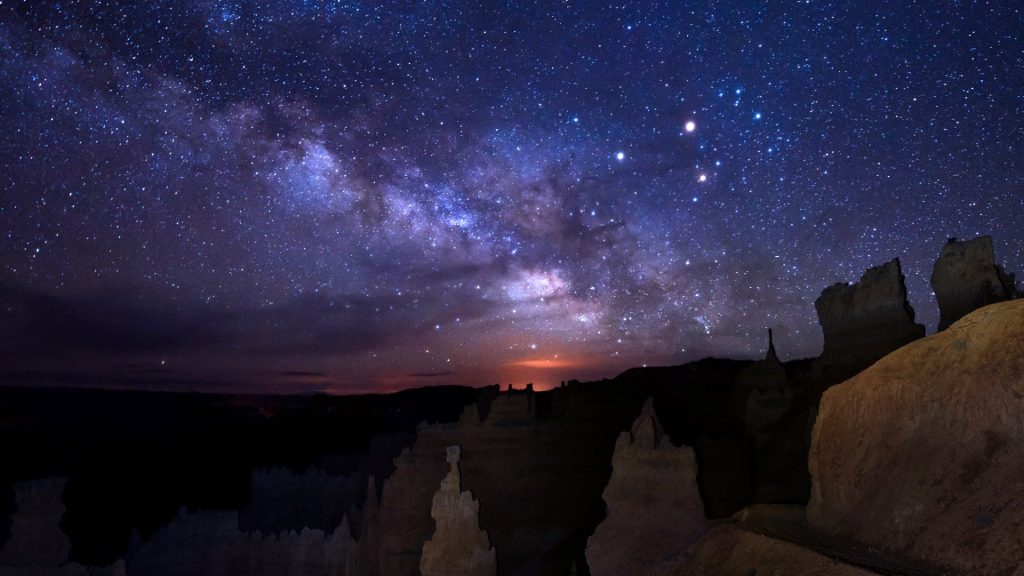
Best Seasons by Region
Because many Dark Sky Parks are in extreme environments, the “best” time varies depending on location.
Southwest Parks
The parks in Utah, Arizona, Nevada, California and Texas are considered Southwest.
Examples: Arches, Bryce Canyon, Canyonlands, Zion, Big Bend, Death Valley
Best time to visit: Spring (March–May) and Fall (September–November)
Summer offers excellent Milky Way visibility but can be brutally hot during the day, especially in places like Death Valley and Big Bend.
Mountain Parks
These are the parks in Colorado and Montana
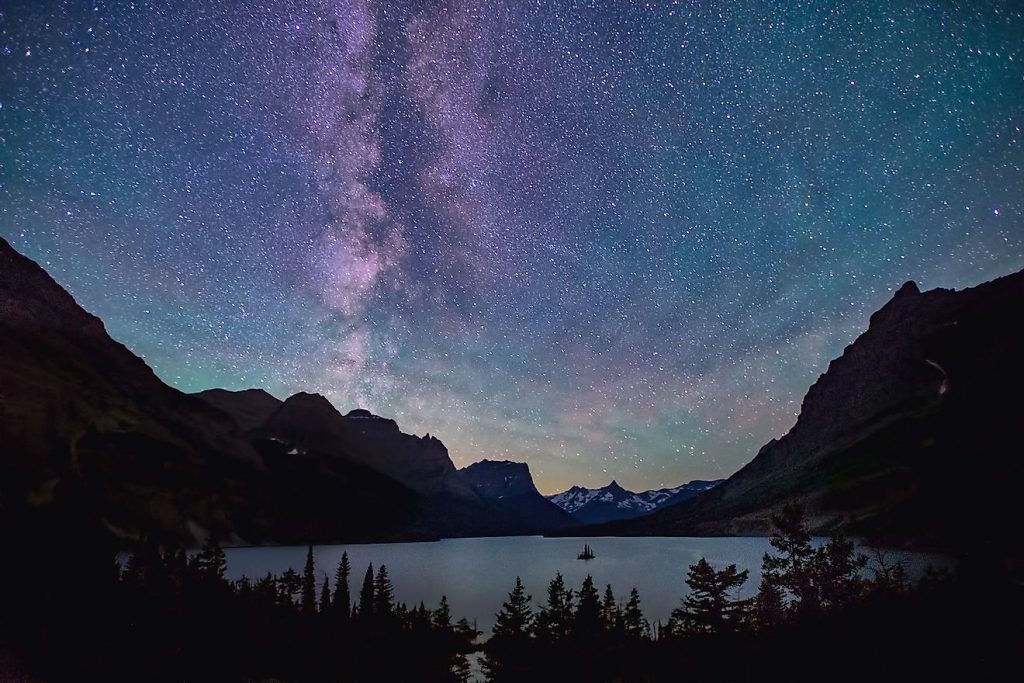
Examples: Black Canyon, Great Sand Dunes, Glacier, Mesa Verde
Best time to visit: Late Spring through Early Fall (May to October)
Winters bring incredible clarity, but road closures and snow can limit access.
Pro Tip: Check the park’s website before you go for weather conditions, so you aren’t disappointed when you get to the park because the road is closed.
Eastern & Midwest Parks
These include Mammoth Cave in Kentucky and Voyageurs in Minnesota.
Best time to visit: Late Spring through Early Fall (May to October).
Bonus: In northern parks like Voyageurs, late fall and winter offer potential northern lights viewing.
Watch the Weather (Seriously)
Cloud cover & rain ruins everything. Dry climates, like the Southwest, often provide the clearest skies.
Always check for:
Cloud forecast – the clearer the better
Humidity levels -With high moisture, water vapor can condense and form dew on surfaces, including your telescope, binoculars, or lenses causing images to appear blurry.
Storm patterns – You don’t want to get to your park then find out that storms are rolling in.
National Park Service websites are excellent resources for current conditions.
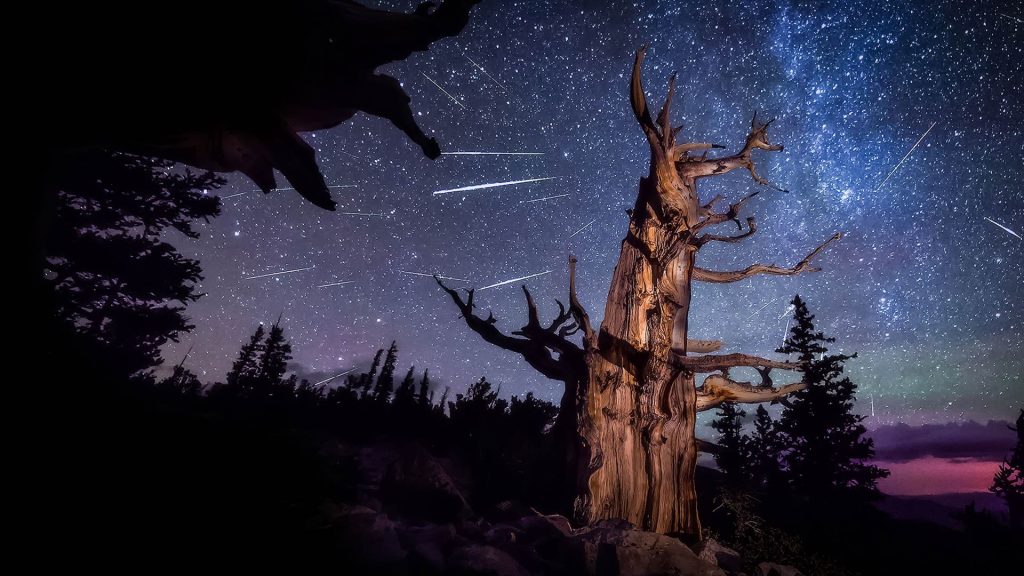
Plan Around Meteor Showers
If you want to level up your trip, plan around major annual meteor showers:
Perseid
The most popular annual meteor showers are the Perseids, which peaks around August 12-13 each year. Originating from Comet Swift-Tuttle, this shower is known for producing bright meteors often accompanied by fireballs- brighter than usual meteors that leave lasting trails.
Geminids
In December, usually around the 13th or 14th. Unlike other major showers that come from comets, Geminids originate from an asteroid named 3200 Phaethon. This shower offers some of the highest rates of visible meteors, often exceeding 100 per hour, making it one of the most prolific displays for astronomers and casual observers alike during cold winter nights.
Quadrantids
The Quadrantid meteor shower typically peaks between January 3-4 each year but has a shorter duration compared to others; it can be quite unpredictable yet rewarding if conditions align well for viewing. This unique shower displays bright fireballs originating from fragmenting asteroid 2003 EH1 and can produce rates over 120 meteors per hour under ideal conditions – a truly magical way to celebrate New Year’s for those who brave chilly temperatures.
Combine a meteor shower with a new moon and clear skies? That’s peak stargazing.
Quick Planning Checklist for the Best Dark Sky Experience
– Visit during a new moon
– Travel between March and October for Milky Way visibility
– Choose shoulder seasons for comfortable daytime temperatures
– Check weather and cloud cover
– Bring warm layers – desert and mountain nights get cold fast
Final Thoughts
Choosing the right time to visit a Dark Sky Park can completely transform your experience. A clear night near the new moon, during peak Milky Way season, can turn a simple park visit into something unforgettable. With a little planning like watching the weather, checking moon phases, and timing your trip carefully, you’ll give yourself the best chance to stand beneath a sky full of stars most people never get to see. And trust me, once you experience that kind of darkness, you’ll start planning your next trip before you even leave.
We love sharing tips and information we learn along the way to help you plan your next trip. We hope to inspire you to find your adventures, have lots of fun and make many memories.