

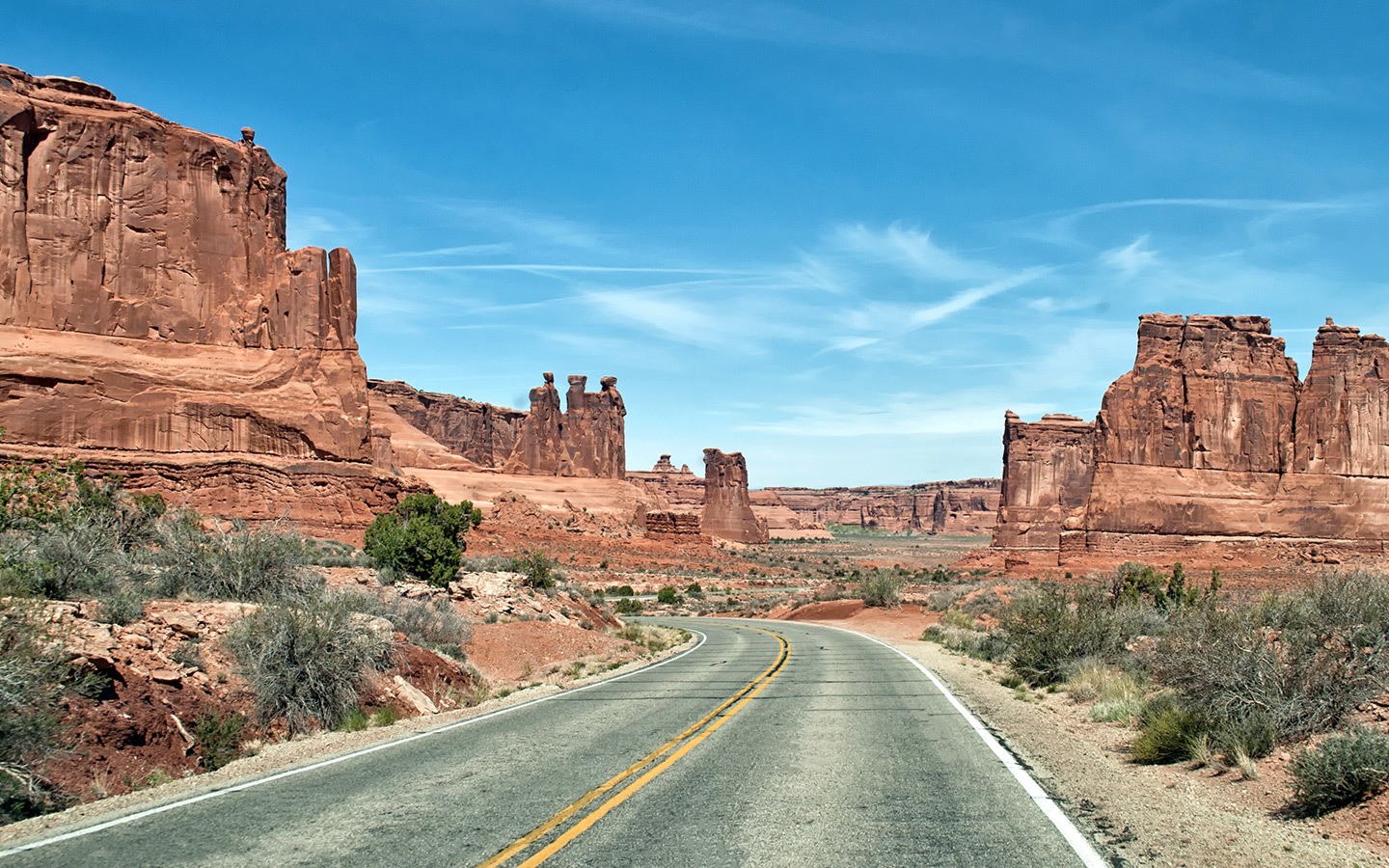
A Southwest Road trip can easily become one of the most unforgettable travel experiences in the United States. From the red rocks of Arizona to the desert highways of Nevada and the dramatic landscapes of Utah and New Mexico, the scenery feels endless. But the Southwest is also larger, hotter, and more remote than many travelers expect.
What looks like a quick drive on a map may actually mean hours between gas stations, major elevation changes, limited cell service, or roads affected by weather and seasonal closures. A few small planning mistakes can turn an exciting road trip into a stressful one fast.
As an Amazon affiliate, when you click on any of the links on this page and make a purchase, we may earn a small commission, at no cost to you! By using our affiliate links, you’ll find our favorite picks and support us at the same time. And we really appreciate your support!
Before heading out through Arizona, Utah, Nevada, California, New Mexico, or West Texas, avoid these common Southwest road trip mistakes so your vacation feels smoother, safer, and far more enjoyable.
Trying to Drive Too Many Miles in One Day
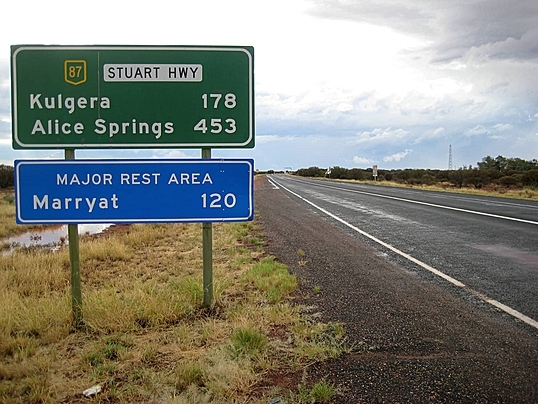
Distances in the Southwest can be deceiving. Stops may appear close together on a map, but driving across long stretches of desert often feels much longer in reality.
Unlike other parts of the country, many Southwest highways do not have constant exits, gas stations, or towns every few miles. Add in dry air, heat, and repetitive scenery, and driver fatigue can hit much faster than expected. Shorter drives help reduce fatigue.
Staying overnight in towns with restaurants, scenic stops, and local attractions gives you time to actually enjoy the trip instead of rushing through it. Road trips become far more memorable when you leave room for scenic overlooks, roadside diners, and unexpected detours.
Underestimating Desert Heat
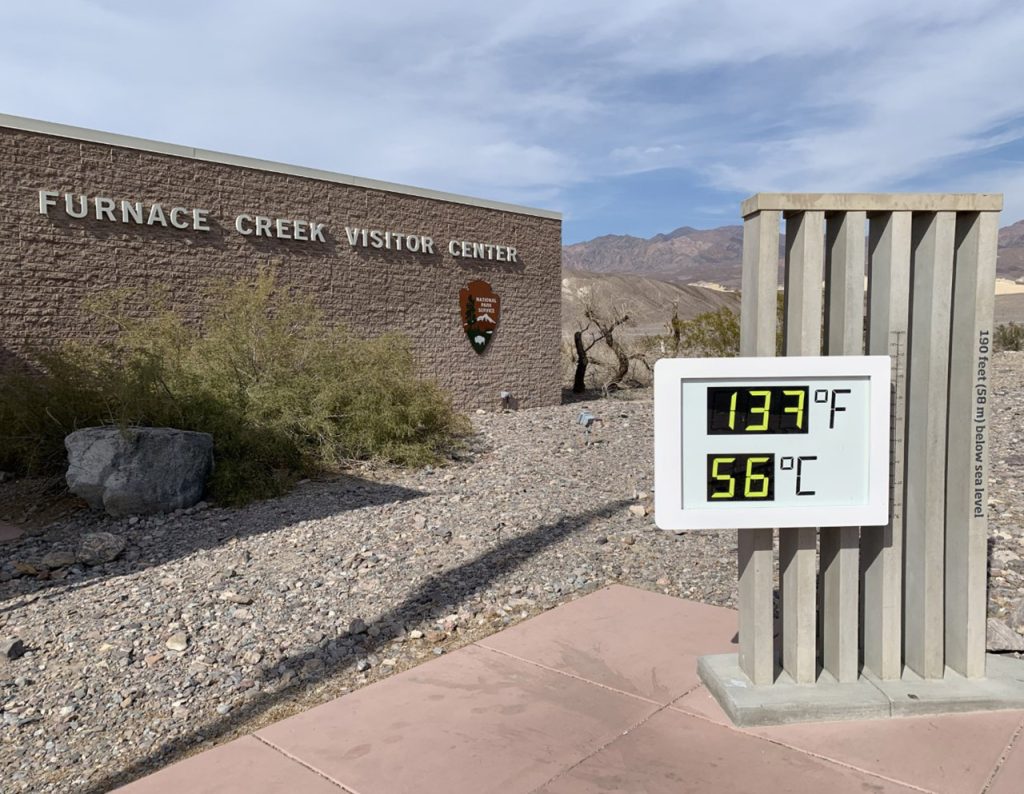
One of the biggest mistakes first-time Southwest travelers make is assuming dry heat feels manageable all day long.
Morning temperatures may feel pleasant, but many desert towns climb past 100 degrees by midday during spring and summer. Afternoon heat can quickly limit hiking plans, sightseeing, and outdoor activities. At the same time, desert evenings can cool off dramatically after sunset, especially in spring and fall. Visitors who pack only for hot weather are often surprised by chilly nights.
Always check temperatures for every stop on your route before leaving. Planning indoor activities during the hottest part of the afternoon can make summer trips much more comfortable.
Pro Tip: Pack so that you can wear layers if you plan to be out all day.
Forgetting How Desert Heat Affects Your Car
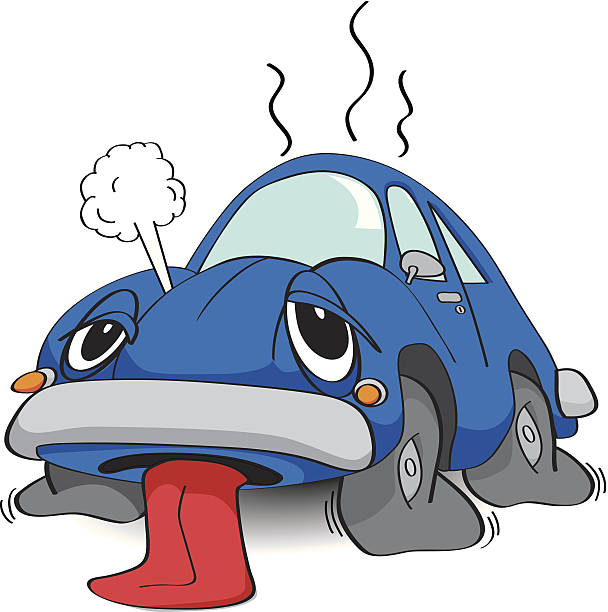
The Southwest is tough on vehicles, especially during long summer drives.
Extreme heat places extra strain on engines, batteries, tires, and air conditioning systems. Tire pressure can rise quickly on scorching pavement, while older vehicles may struggle during steep climbs or stop-and-go park traffic.
Before your trip, check:
-Tire pressure and tread
-Coolant levels
-Oil levels
-Air conditioning performance
-Battery condition
It is also smart to carry extra coolant, oil, and emergency supplies in case something goes wrong on a remote road.
Pro Tip: Carrying a roadside car emergency kit is a great idea anytime, not only for road trips. We keep this one from Everlit in our car.
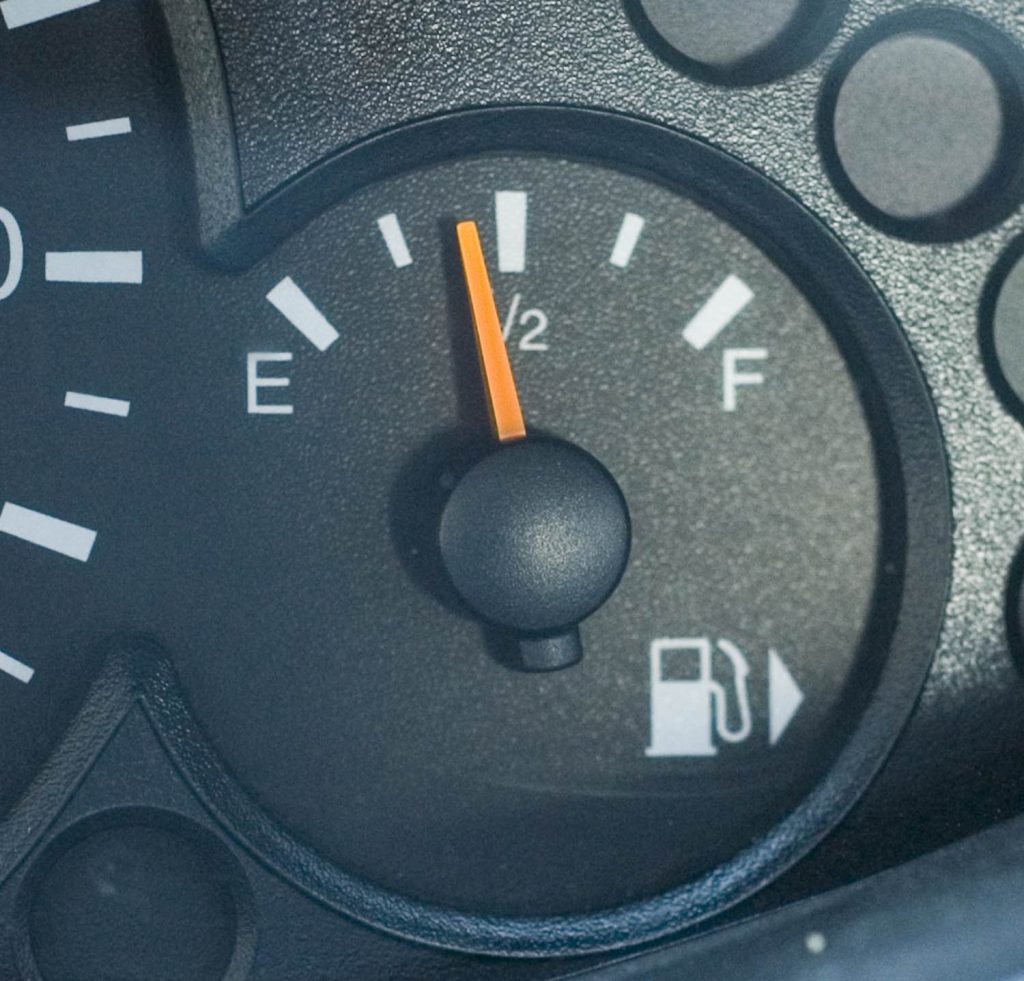
Waiting Too Long to Get Gas
Running low on fuel in the Southwest is a gamble you do not want to take.
Once you leave larger interstate highways, gas stations can become surprisingly spread out. In remote parts of Utah, Arizona, Nevada, and New Mexico, there may be long stretches without fuel services at all. Some smaller gas stations also close earlier than travelers expect.
Whenever your tank drops near half, start thinking about your next fuel stop instead of pushing your luck. It is far better to stop early than risk getting stranded in extreme desert heat.

Depending Too Much on Cell Service
Many areas across the Southwest still have limited or nonexistent cell service.
GPS apps and navigation tools may suddenly stop working in remote canyons, mountain areas, and national parks. Travelers who rely entirely on their phones often end up frustrated or lost.
Before leaving:
-Download offline maps
-Screenshot reservations and tickets
-Save park maps ahead of time
-Carry a paper road atlas or printed maps
Having backups makes navigation far less stressful when service disappears.

Not Carrying Enough Water
Extra water is one of the simplest ways to make Southwest Road trips safer and more comfortable.
You may spend longer outside than expected while exploring scenic overlooks, waiting in park traffic, or walking around viewpoints in extreme heat. Keep extra water in the vehicle at all times, even on cooler days. This becomes especially important during summer travel through desert regions.
A cooler with drinks and snacks also makes long sightseeing days much easier. This Igloo cooler is great for the car, it’s easy to get water without moving everything around.
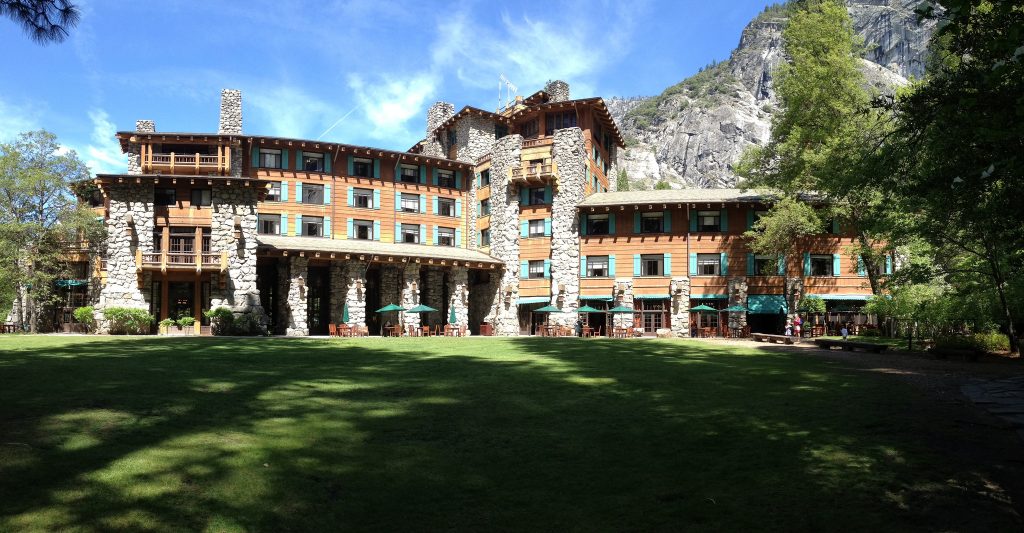
Booking Hotels Too Far Off Your Route
A cheaper hotel is not always the better deal on a Southwest Road trip.
Some budget-friendly accommodations may sit far from major routes, national park entrances, or restaurants. That extra driving time can make already long days feel exhausting.
Convenient lodging near your main route often creates a more relaxing experience overall, especially for sunrise park visits, late dinners, or early morning departures. Sometimes paying slightly more for location saves both time and stress.
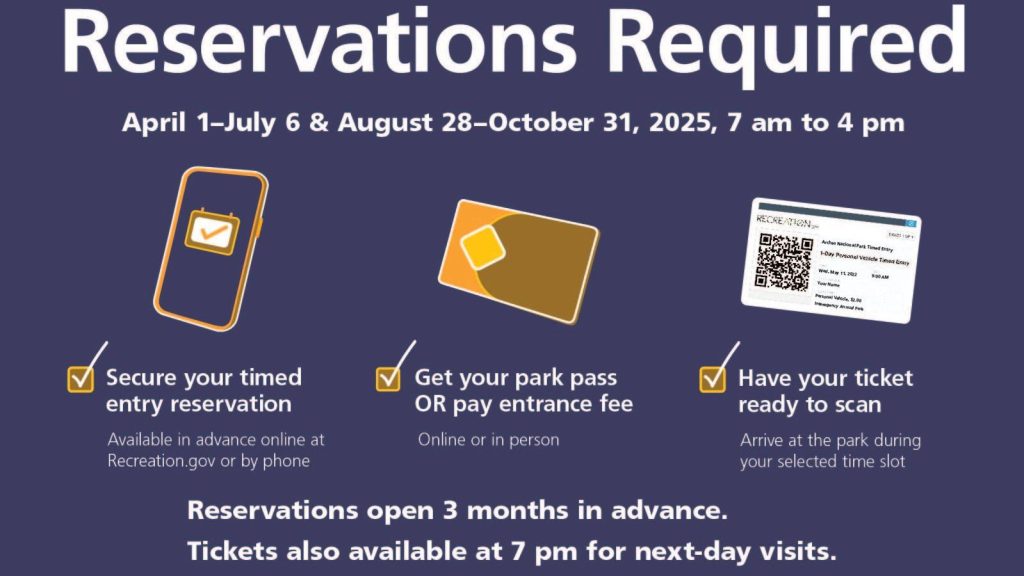
Ignoring Timed Entry Rules at National Parks
Many popular national parks now use timed-entry reservations during busy seasons.
Travelers who arrive without researching park rules sometimes discover they cannot enter during peak hours without advance reservations.
Before visiting any national park:
-Check if timed-entry reservations are required
-Look at shuttle schedules
-Research parking conditions
-Review seasonal crowd patterns
In some cases, arriving very early or later in the day can help avoid timed-entry restrictions altogether. Planning ahead is critical if you want to avoid disappointment.
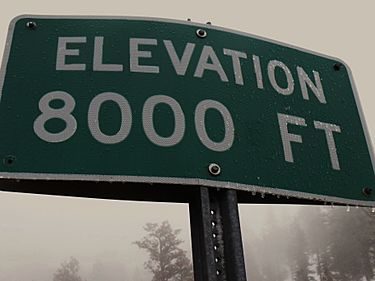
Not Checking Elevation and Weather Conditions
The Southwest is not just desert. Many routes climb into mountains, forests, and high elevations surprisingly quickly.
One day may include 100-degree heat, mountain thunderstorms, flash floods and chilly evenings. Higher elevations can also affect breathing, hydration, and physical activity levels.
Always monitor weather forecasts throughout the trip, especially when visiting canyons or mountain areas where conditions can change rapidly.
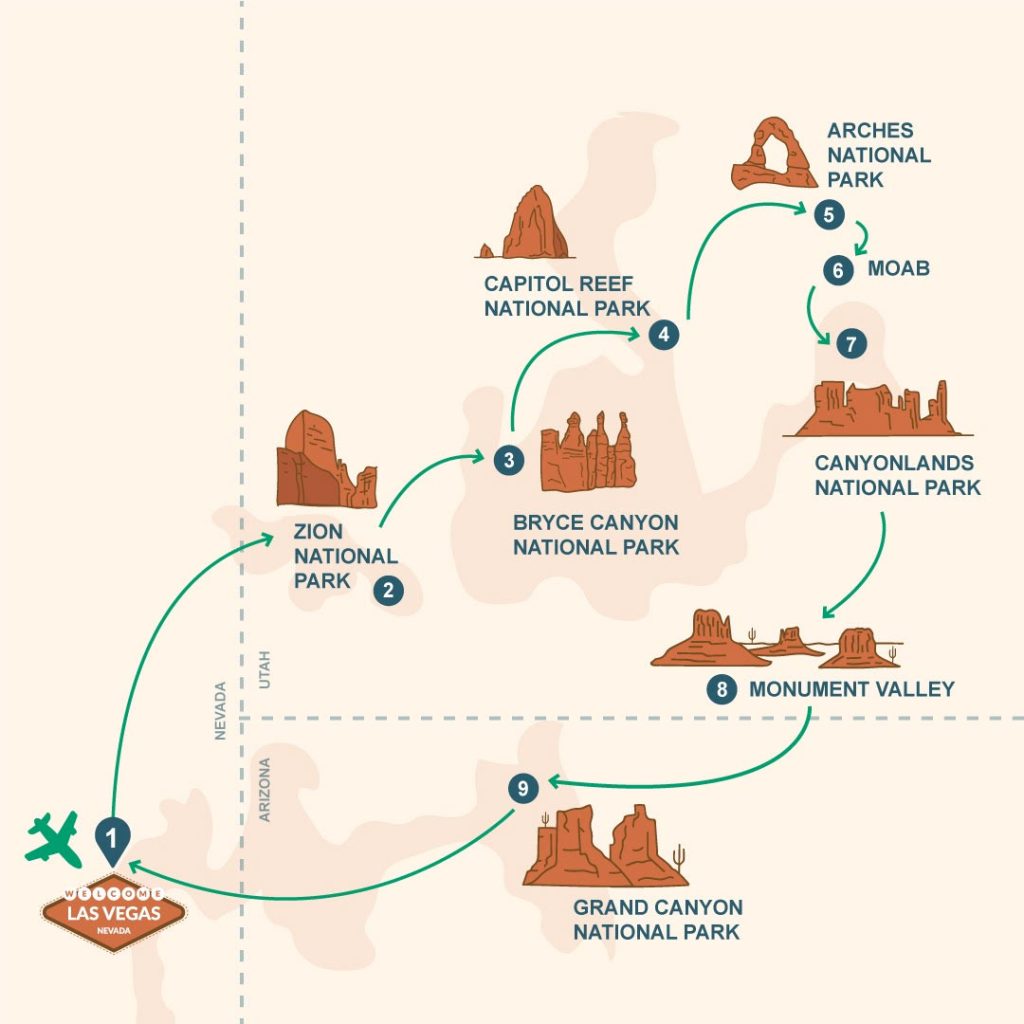
Trying to Visit Too Many National Parks
Packing too many parks into one trip is one of the fastest ways to create an exhausting itinerary.
Even parks that look close together on a map may require unexpected delays with long entrance lines, waiting for a shuttle or trying to find a parking spot. You may also find that it takes much longer to walk between viewpoints or drive the scenic drive.
Most visitors underestimate how much time they will actually spend inside each park. A slower pace usually creates a much more enjoyable experience. Instead of racing between parks, focus on fewer destinations and leave room for flexibility.
Pro Tip: Expect to spend at the very least half a day at a park seeing only the bare minimum of what the park has to offer. If you really want to enjoy a park, plan a day or more per park.
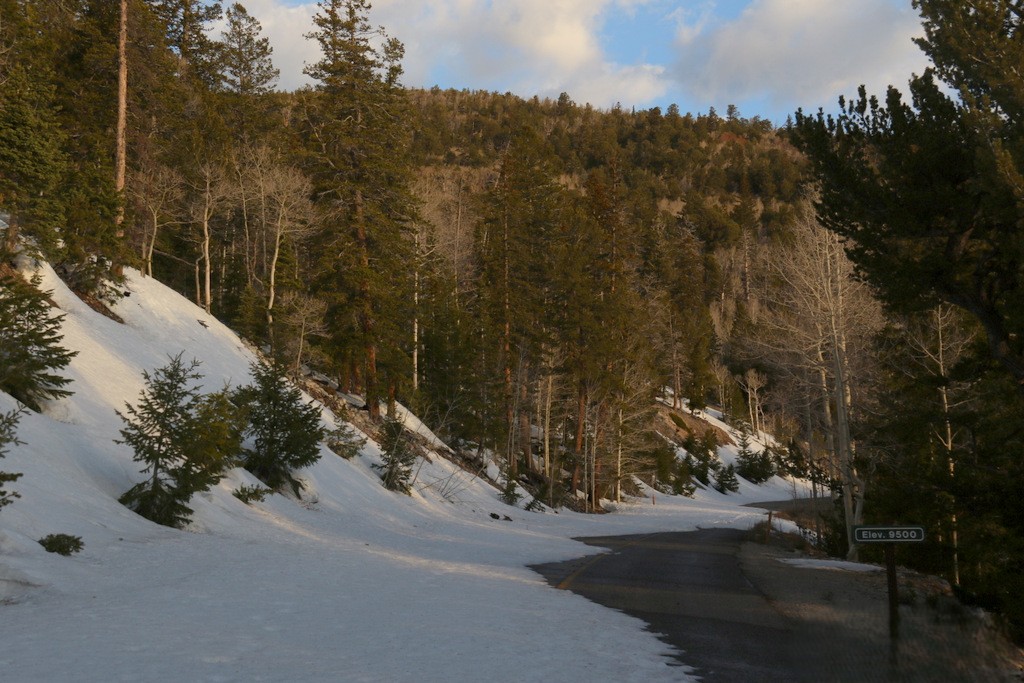
Assuming Scenic Roads Stay Open Year-Round
Many travelers are surprised to learn that scenic Southwest roads can close due to weather, snow, flooding, construction, or rockslides.
Mountain passes and high-elevation roads often close seasonally, even in Arizona and Utah. Summer monsoon storms can also temporarily impact roads and tours.
Always check:
-National Park Service updates
-State transportation websites
-Local weather alerts
This helps avoid last-minute rerouting or disappointing closures.
Overloading Your Itinerary with Detours
The Southwest is full of tempting scenic stops, quirky roadside attractions, hidden viewpoints, and small desert towns. Trying to squeeze all of them into one trip usually backfires.
Too many detours can turn a relaxing road trip into a rushed schedule where you spend more time watching the clock than enjoying the drive.
Choose one or two major scenic stops each day and leave room for spontaneous discoveries along the way. Flexible travel days often end up being the most memorable.
Final Thoughts
The American Southwest is one of the best road trip destinations in the country, but it rewards travelers who plan ahead.
Extreme heat, remote highways, limited services, and changing weather conditions can catch visitors off guard if they are not prepared. A little extra planning goes a long way toward making the trip safer, smoother, and far less stressful.
Slow down, stay flexible, carry extra water, and leave room to actually enjoy the scenery. The Southwest is not a place to rush through.
We love sharing tips and information we learn along the way to help you plan your next vacation. We hope to inspire you to find your adventures, have lots of fun and make many memories.