

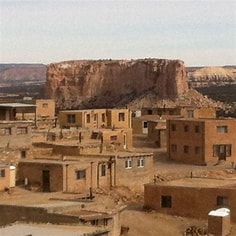
Most travelers drive straight past reservations and pueblos without ever stopping, and honestly, they are missing some of the most meaningful cultural experiences in the United States. Across the country, many Indigenous communities welcome respectful visitors who want to learn about Native American history, traditions, art, food, and sacred landscapes directly from the people who call these places home.
From ancient cliff dwellings in New Mexico to powwows in Montana and Navajo-guided tours through desert canyons, these destinations offer a chance to experience living cultures that have survived for thousands of years. You’ll find museums, cultural centers, traditional dances, local artists, historical sites, and some of the most breathtaking scenery in America.
As an Amazon affiliate, when you click on some of the links on this page and make a purchase, we may earn a small commission, at no cost to you! By using any our affiliate links, you’ll find our favorite picks and support us at the same time. And we really appreciate your support!
Here are some of the best Indigenous communities and tribal lands open to visitors in the United States.
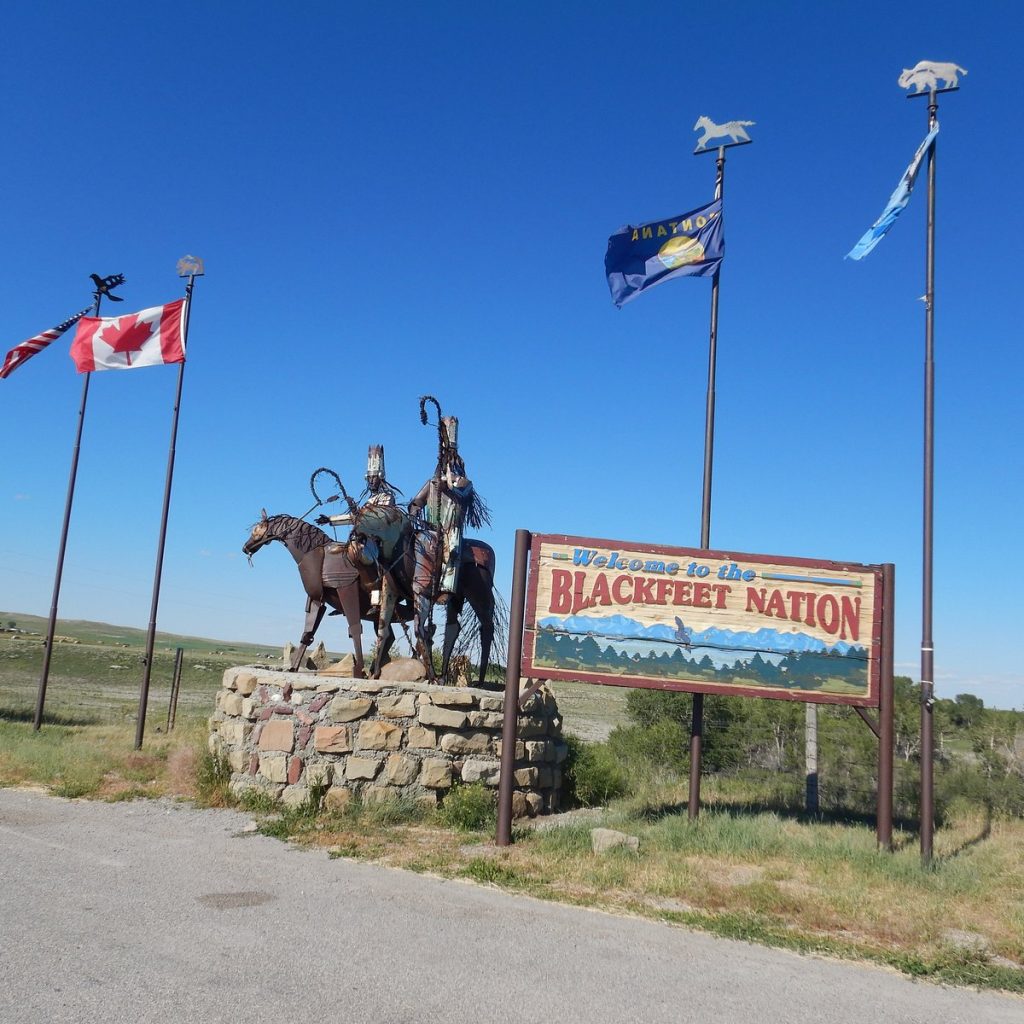
Blackfeet Reservation, Montana
Located along the eastern edge of Glacier National Park, the Blackfeet Reservation is home to the Blackfeet Nation, descendants of the Siksika, Kainai, and Piegan peoples. With sweeping prairie views and mountain backdrops, this reservation is one of the most scenic and culturally important in the country.
Visitors can stop at the Museum of the Plains Indians, the Blackfeet Heritage Center, and local shops selling handmade Native jewelry and art. The best time to visit is during North American Indian Days in July or Heart Butte Indian Days in August, when powwows, dances, rodeos, and cultural celebrations bring the community together.
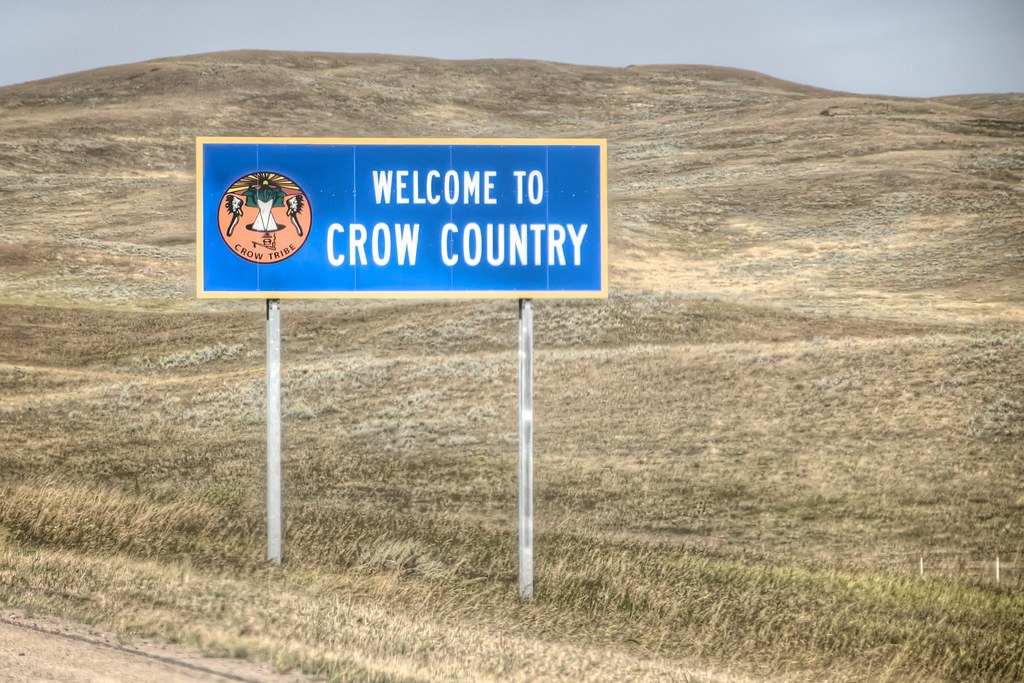
Crow Reservation, Montana
The Crow Reservation stretches across southeastern Montana near the Little Bighorn River and sacred mountain ranges. It’s home to the Crow Tribe and offers incredible history, culture, and landscapes.
Visitors often combine a trip here with Little Bighorn Battlefield National Monument and Bighorn Canyon National Recreation Area.
If you really want to experience Crow culture, plan your visit around Crow Fair in August. Often called the “Teepee Capital of the World,” it’s one of the largest Native American gatherings in the country and includes parades, dancing, rodeos, traditional dress, and celebrations.
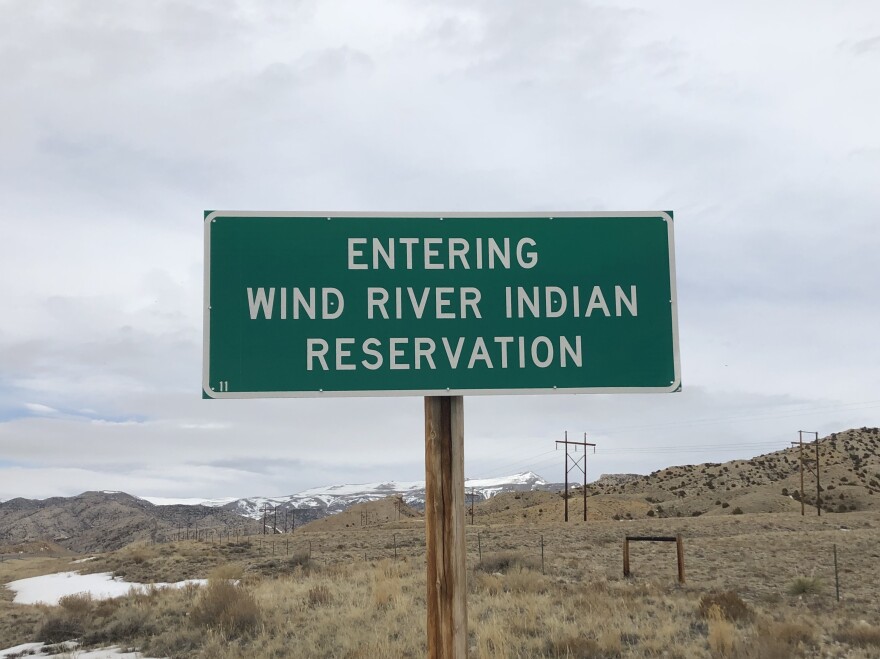
Wind River Reservation, Wyoming
The Wind River Reservation covers over 2 million acres and is home to both the Eastern Shoshone and Northern Arapaho tribes. Rugged mountains, rolling prairie, and important historical sites make this one of Wyoming’s most interesting cultural destinations.
The Eastern Shoshone Tribal Cultural Center in Fort Washakie displays artifacts and sells beadwork, while the Northern Arapaho Experience Culture Room at Wind River Hotel and Casino offers tours and language lessons. Visit St. Stephens Indian Mission & Heritage Center for more historical information about this area. Gallery of the Wind & Museum has artifacts and artwork.
You can also visit Sacajawea Cemetery and Chief Washakie Cemetery. Animal lovers should check out the Wind River Wild Horse Sanctuary and the Wind River Tribal Buffalo Initiative for an opportunity to learn about the importance of these animals to tribal history and culture.
Pro Tip: Be sure to bring binoculars to get a closer view of the buffalo and horses. We like these digital binoculars by Anminto because of the 8X zoom it has.
Walker River Paiute Reservation, Nevada
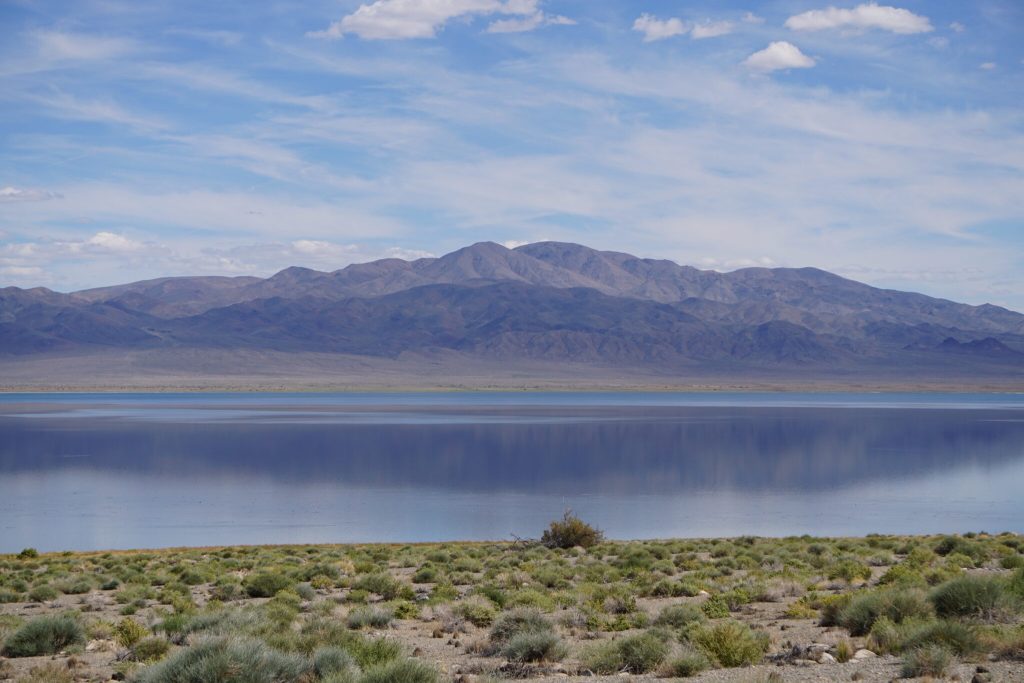
Located near Schurz in western Nevada, the Walker River Paiute Reservation offers visitors a quieter but fascinating look into Paiute culture and history.
The annual Pinenut Festival in September showcases traditional activities, Native foods, crafts, and cultural demonstrations. Nearby, visitors can explore the Churchill County Museum and join tours of Hidden Cave to learn about Paiute-Shoshone history.
This area is also excellent for fishing, desert scenery, and exploring lesser-known Nevada history.
Navajo Nation, Arizona, Utah & New Mexico
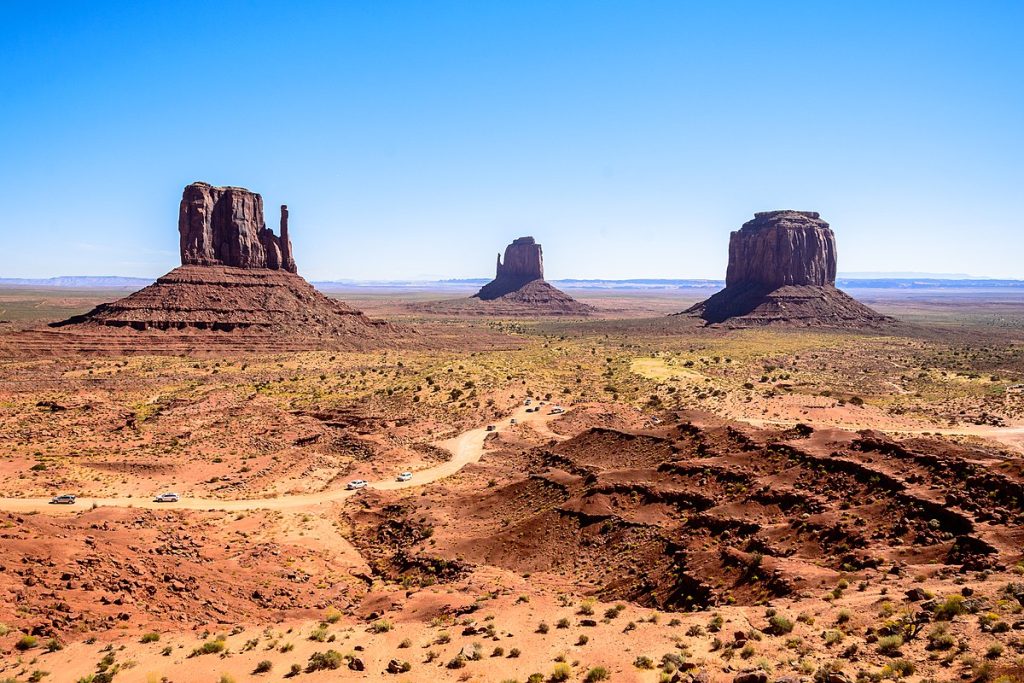
The Navajo Nation is the largest Native American reservation in the United States and one of the most incredible places in the Southwest.
Many famous destinations are located within Navajo land, including Monument Valley Navajo Tribal Park, Antelope Canyon, Canyon de Chelly National Monument, and Horseshoe Bend.
Many attractions require guided tours led by Navajo guides, which gives visitors a deeper understanding of the land and its cultural significance. While visiting, stop in Window Rock to see the Navajo Code Talkers Memorial and the Navajo Nation Museum.
Pro Tip: Make sure you wear your sunscreen, sunglasses and have a hat when visiting the desert.
Taos Pueblo, New Mexico
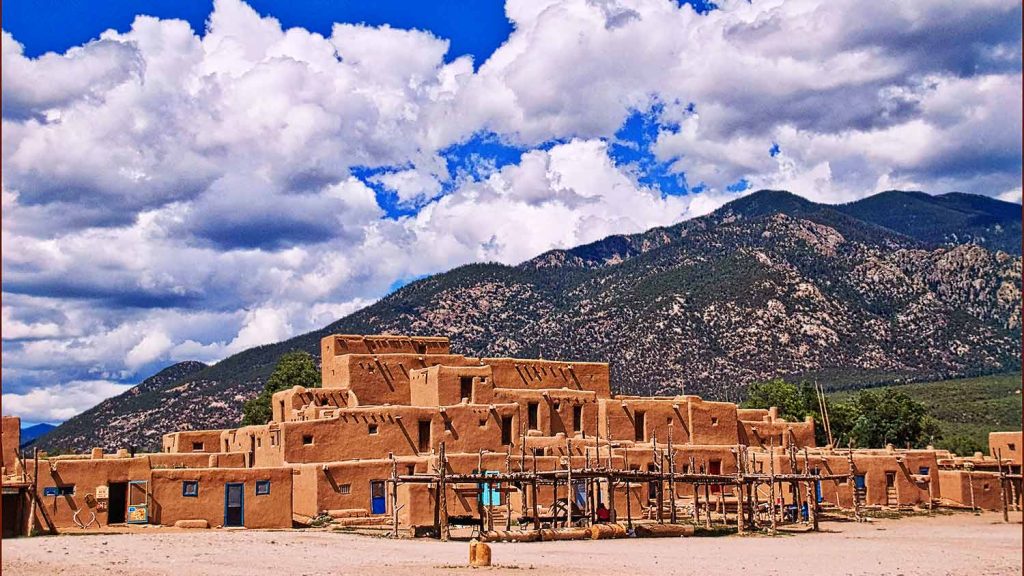
Taos Pueblo is one of the oldest continuously inhabited communities in North America and has been occupied for over 1,000 years.
This UNESCO World Heritage Site and National Historic Landmark still has residents living traditionally without electricity or running water in some homes. Guided tours led by tribal members help visitors understand the pueblo’s history, architecture, traditions, and daily life.
Be aware that Taos Pueblo closes periodically for ceremonies and cultural events, so checking ahead is important.
History alone makes this a must see stop!
Acoma Pueblo (Sky City), New Mexico
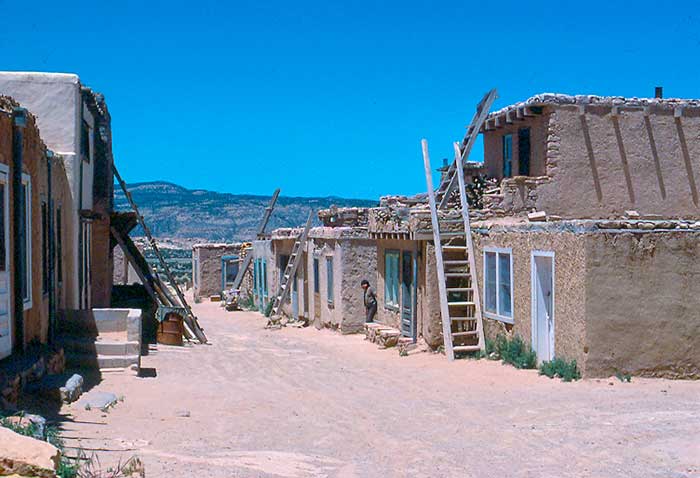
Known as Sky City, Acoma Pueblo sits dramatically atop a sandstone mesa and is considered the oldest continuously inhabited community in the United States.
Visitors can only access the mesa through guided tours, which begin at the Sky City Cultural Center. Along the way, you’ll learn about Acoma history, pottery traditions, and the remarkable San Esteban del Rey Mission church dating back to the 1600s.
The views alone are worth the trip.
Pro Tip: You can’t forget your camera for this one! Just be sure to ask before you take pictures of people or their homes. If you need a new camera, we really like our Kodak PixPro. It takes great pictures and the videos are really clear.
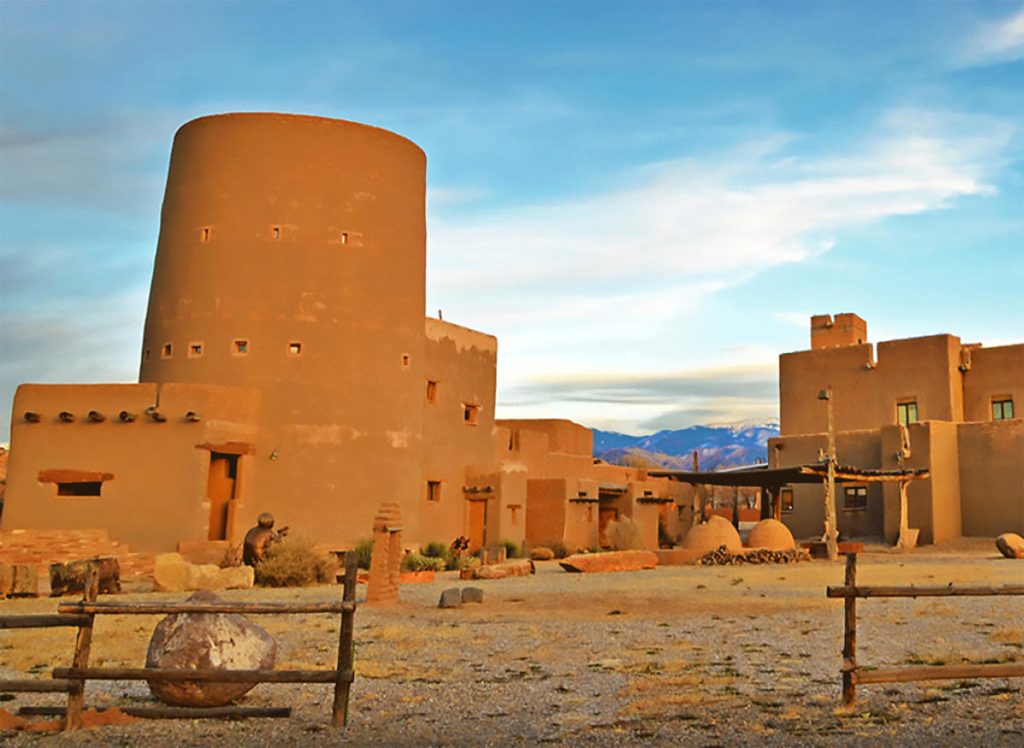
The 19 Pueblos of New Mexico
New Mexico is home to 19 distinct pueblos, each with its own traditions, government, language, and customs.
Many welcome visitors throughout the year for feast days, art markets, dances, and cultural events. Some pueblos require permits for photography or close to outsiders during ceremonies, so always respect local rules and traditions.
Visiting the pueblos offers a much deeper understanding of Native American history in the Southwest than most museums ever could.
Learn More: Discover the 19 Pueblos of New Mexico: Culture, Heritage & Visitor Tips
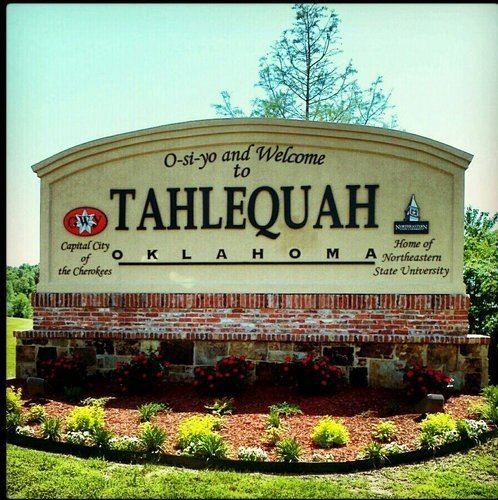
Cherokee Nation, Oklahoma
Unlike traditional reservations, the Cherokee Nation spans 14 counties in northeastern Oklahoma with its capital in Tahlequah.
The Cherokee Heritage Center is one of the best places to learn about Cherokee culture, including a recreated 1700s village and exhibits about the Trail of Tears and Cherokee history.
The Cherokee National History Museum inside the historic capitol building is another must-visit for history lovers.
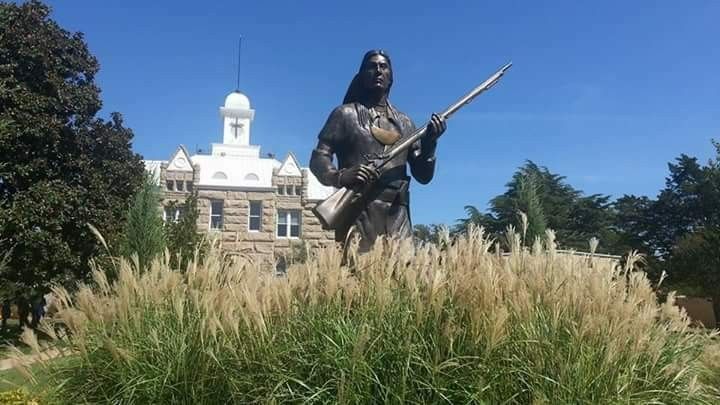
Chickasaw Nation, Oklahoma
The Chickasaw Cultural Center in Sulphur is one of the most immersive Indigenous cultural centers in the country.
Visitors can explore recreated villages, interactive exhibits, traditional dance performances, and Chickasaw cuisine while learning about the tribe’s history before and after forced removal from the Southeast.
The center beautifully combines storytelling, history, and hands-on experiences.
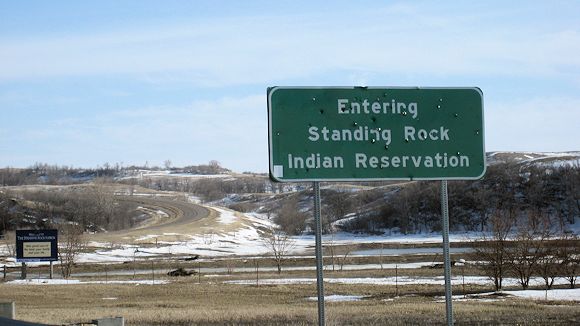
Standing Rock Sioux Reservation, North & South Dakota
The Standing Rock Sioux Reservation spans over 2 million acres across the Dakotas and is deeply tied to Lakota and Dakota history.
Visitors can travel the Standing Rock National Native American Scenic Byway, stop at Sitting Bull’s gravesite, and explore historical markers throughout the reservation.
This region offers incredible landscapes along with powerful historical significance.
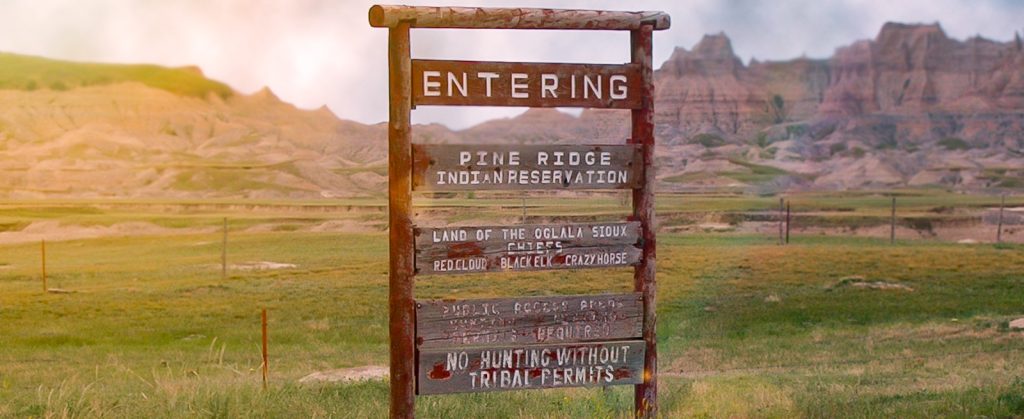
Pine Ridge Reservation, South Dakota
Home to the Oglala Lakota Nation, the Pine Ridge Reservation is one of the most historically significant Indigenous destinations in the country.
Visitors can respectfully visit the Wounded Knee Massacre site and the Red Cloud Heritage Center, which houses an impressive collection of Native American art and cultural exhibits.
This is an emotional and important place to learn about American history from an Indigenous perspective.
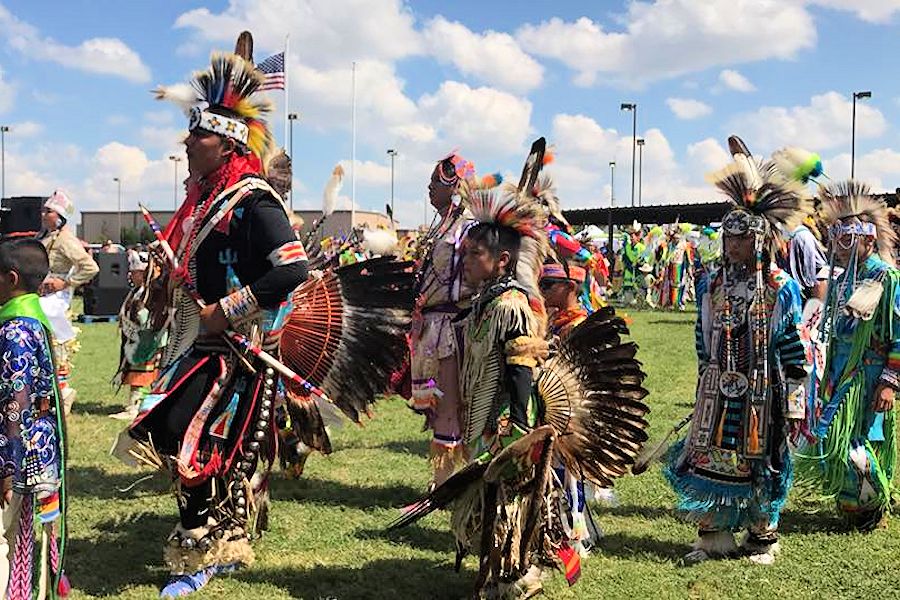
Crow Creek Reservation, South Dakota
The Crow Creek Reservation welcomes visitors interested in traditional Sioux culture, powwows, and Native art.
The Crow Creek Cultural Center shares the tribe’s history through exhibits and cultural programs, while powwow celebrations offer opportunities to experience dance, music, and traditions firsthand.
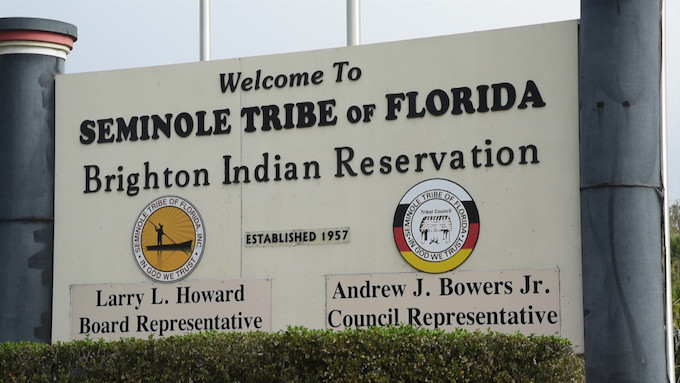
Seminole Tribe, Florida
The Seminole Tribe of Florida combines deep cultural history with unique Everglades landscapes.
The Ah-Tah-Thi-Ki Museum contains thousands of Seminole artifacts and exhibits. Visitors can also explore boardwalks through cypress swamps, enjoy storytelling performances, and experience airboat rides through the Everglades. You can also stay at a traditional roof-roof home on the reservation and enjoy native storytelling and performances at night.
The tribe is also famous for operating the Hard Rock brand and several casinos throughout Florida.
Pro Tip: If you’re planning to visit any of the tribal casinos, be sure to get a player’s card. You can build up points as you play and use them same day for discounts on food.
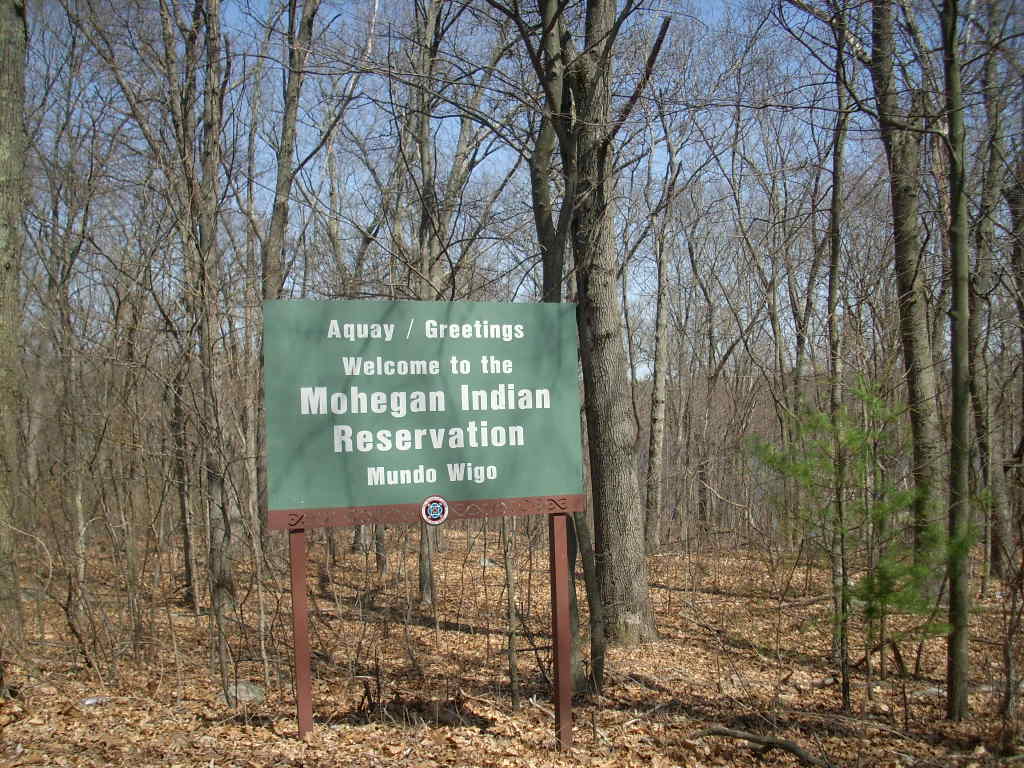
Mohegan Tribe, Connecticut
The Mohegan Tribe operates Mohegan Sun, one of the largest casino resorts in the United States, but there’s much more here than gaming.
The Mohegan Museum and Cultural Center shares the tribe’s history from ancient times through modern restoration and recognition. Powwows and cultural festivals throughout the year add even more opportunities to learn about Mohegan traditions.
Tips for Visiting Indigenous Communities Respectfully
Before visiting reservations or pueblos, keep these things in mind:
-Always follow tribal rules and visitor guidelines.
-Ask before taking photographs.
-Respect closures during ceremonies or cultural events.
-Support local artists and businesses when possible.
-Stay on marked roads and trails.
-Remember these are living communities, not tourist attractions.
A little respect goes a long way.
Learn More: Visitor Etiquette: How to Respectfully Experience Native American Communities
Final Thoughts
Visiting Indigenous communities is one of the most meaningful travel experiences you can have in the United States. You’ll learn history that often gets overlooked, meet talented artists and storytellers, and experience landscapes tied deeply to Native culture and identity.
From the deserts of the Southwest to the plains of Montana and the forests of Oklahoma, these destinations offer something far more memorable than a typical tourist stop. They offer connection, perspective, and stories that stay with you long after the trip.
We love sharing tips and information we learn along the way to help you plan your next vacation. We hope to inspire you to find your adventures, have lots of fun and make many memories.