

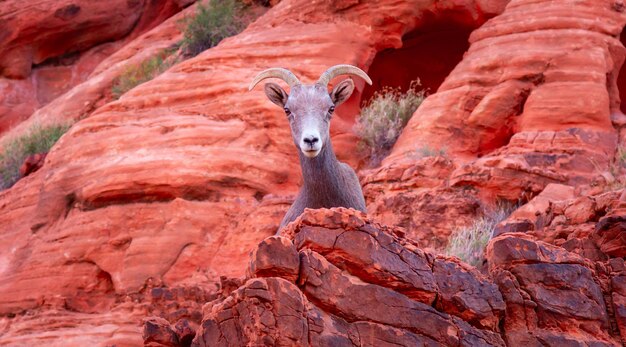
Seeing wildlife in national and state parks is one of the most unforgettable parts of any trip. Spotting a bison grazing, elk bugling at sunrise, or a bear wandering across a meadow feels like winning the outdoor lottery.
But as park visitation continues to skyrocket, so do wildlife-related injuries- and almost all of them are preventable.
The problem isn’t the animals.
It’s people forgetting one very important detail: these animals are wild, not tame, and this is their home- not ours.
Park rangers work hard to keep both visitors and wildlife safe, and they all say the same thing: most dangerous encounters happen when people ignore basic wildlife safety rules. The good news? Following a few simple guidelines will keep you safe and help you capture incredible photos- without stressing the animals or risking a fine.
As an Amazon affiliate, when you click on some of the links on this page and make a purchase, we may earn a small commission, at no cost to you! By using our affiliate links, you’ll find our favorite picks and support us at the same time. And we really appreciate your support!
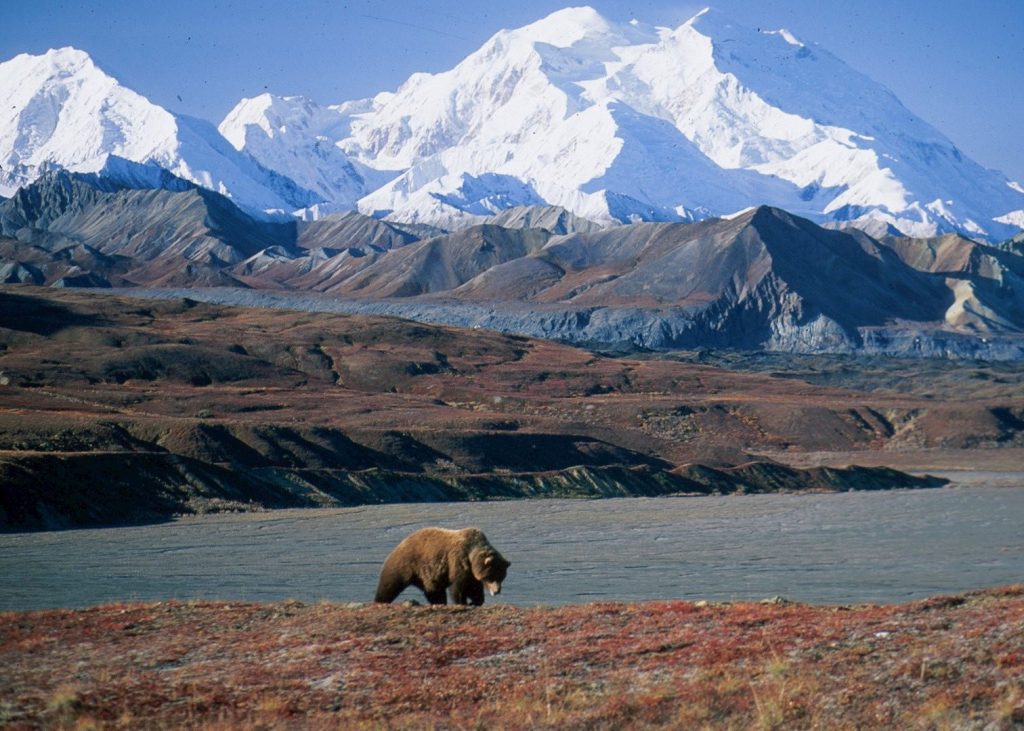
Wildlife Safety Rules Every Park Visitor Should Know
Know Before You Go
Every national and state park has its own wildlife rules, including minimum viewing distances, food storage requirements, and pet policies.
Before hitting the trail:
-Check the park’s official website or app
-Read posted signs at trailheads
-Ask a ranger if you’re unsure
A few minutes of research can save you from a dangerous encounter or an expensive citation.
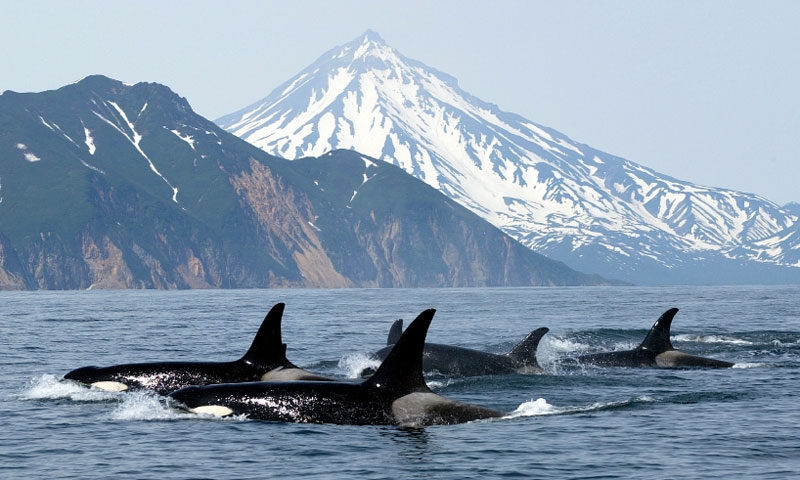
Give Wildlife Plenty of Space
Distance is the #1 rule of safe wildlife viewing.
Most parks require visitors to stay:
-At least 25 yards from most wildlife
-At least 50 yards in some parks
-100 yards from predators like bears, wolves, and mountain lions
Simple rules of thumb:
– If an animal changes its behavior because of you, you’re too close.
– If you’re close enough for a selfie, you’re definitely too close.
Use binoculars or a zoom lens and let animals move freely. Watching natural behavior from a distance is far more rewarding- and safer.
ProTip: Binoculars are great for locating wildlife when trying to find them in tall grass or woods. We like these from Amazon.
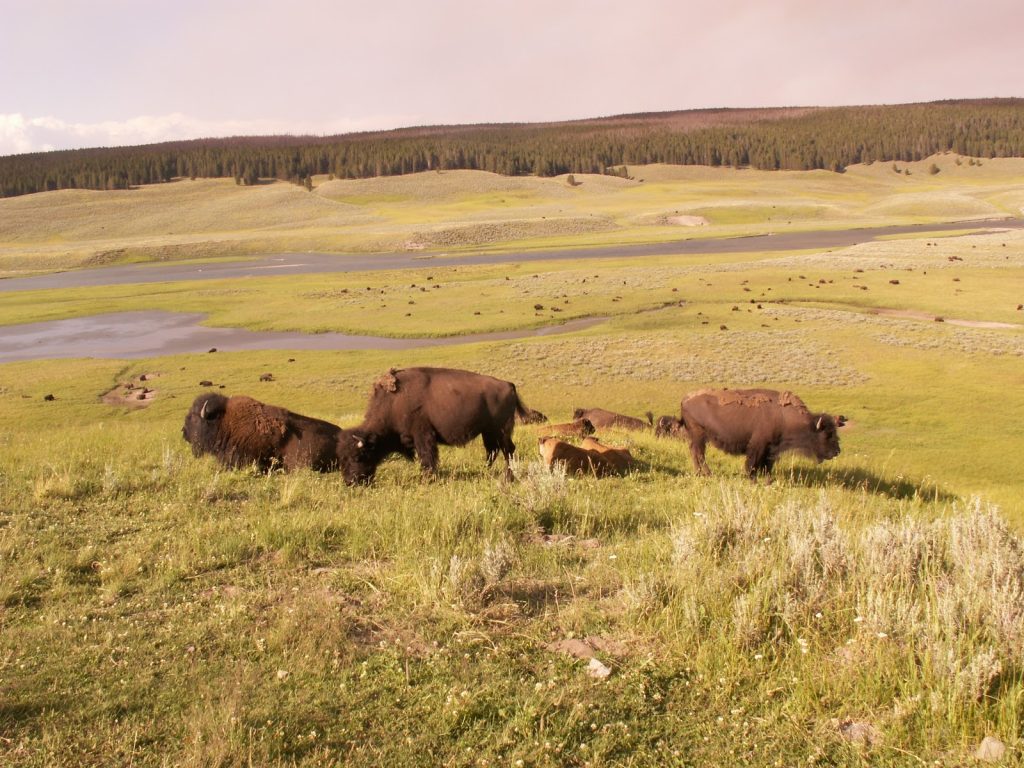
Never Disturb Wildlife (Yes, This Is the Law)
It’s illegal in national parks to:
-Feed wildlife
-Touch or approach animals
-Tease, frighten, or intentionally disturb them
Disturbing wildlife can lead to injuries, disease transmission, and animals becoming aggressive or worse, euthanized. That “harmless” interaction can have deadly consequences for the animal.
Other important tips to stay safe:
-Stay on designated trails
-Keep dogs on a 6-foot leash where allowed
-Never use bird calls or animal sounds to attract wildlife
-Stay quiet and move slowly
-Let wildlife be wild. You’re a guest here.
Watch for Wildlife on the Road
Vehicle strikes are one of the leading causes of wildlife deaths in parks.
Safety tips:
-Obey speed limits
-Be extra alert at dawn and dusk
-Never stop in the middle of the road to watch animals
If you want to observe wildlife, use designated pullouts and park fully off the roadway. This protects animals and other drivers.
Store Food Properly and Pack Out Trash
To wildlife, anything that smells like food is food.
Improper food storage teaches animals to associate people with snacks, which often leads to aggressive behavior and eventually removal or euthanasia.
Protect wildlife by:
-Storing food in wildlife-resistant containers
-Keeping picnic and campsite areas clean
-Disposing of trash properly
-Never leaving food unattended
Bottom line: Don’t be the reason an animal has to be euthanized.
See Something? Say Something
Tell a ranger if:
-You come into physical contact with wildlife
-You see sick, injured, or unusually aggressive animals
-You witness unsafe behavior from other visitors
Rangers would much rather prevent a problem than respond to an emergency.
Take Responsibility
Wildlife safety ultimately comes down to personal responsibility. When you enter a park, you’re responsible for protecting yourself and others around you.
Respect goes a long way in wild places.
How to Take Wildlife Photos- Safely and Responsibly
National parks are a dream for wildlife photography, and you don’t need to break the rules (or common sense) to get great shots.
Keep your distance
-Use binoculars, a spotting scope or telephote lens
– Use zoom on camera or phone
-Telephoto or zoom lenses are your best friend
-Binoculars help you scout animals without moving closer
-Stay still and quiet, quick movements spook wildlife
Pro Tip: If you are taking pictures for yourself to remember this fabulous trip, then a small travel camera is nice to have for a little better photo than one you can take with your phone. We like our Kodak PixPro because it’s not too big and also takes great videos. Check it out on Amazon.
Avoid Crowds for Better Photos
The best wildlife photos usually happen:
-Early morning and late evening (golden hour)
-On less popular trails (without going off-trail)
Fewer people means less noise and more natural shots.
Pro tip: Brace your elbows against your body, knees, or a stable surface for sharper photos.
A few more tips:
-Practice Patience. The rewards are worth it.
Wildlife photography rewards patience, not rushing.
Use your car to safely photograph large animals. Be sure to pull completely off the road.
-Bring protection for your phone or camera if the weather is bad.
Do Your Wildlife Homework
Knowing animal behavior dramatically improves photo opportunities.
Research:
-When animals are most active
-Seasonal movements
-Common habitats in the park
Knowledge beats luck every time.
Final Thoughts
Watching wildlife in national and state parks should be inspiring, not dangerous. By following basic wildlife safety rules you can avoid fines and injuries while protecting the animals and their habitat. You can also safely get that perfect shot of your favorite animal.
Respect the land, give animals space, and remember, you’re visiting their home. If you do that, the wildlife moments (and photos) will be unforgettable.
We pass on tips and information we learn along the way to help you plan your trips and help you stay safe. We hope to inspire you to find your adventures, have lots of fun and make many memories