

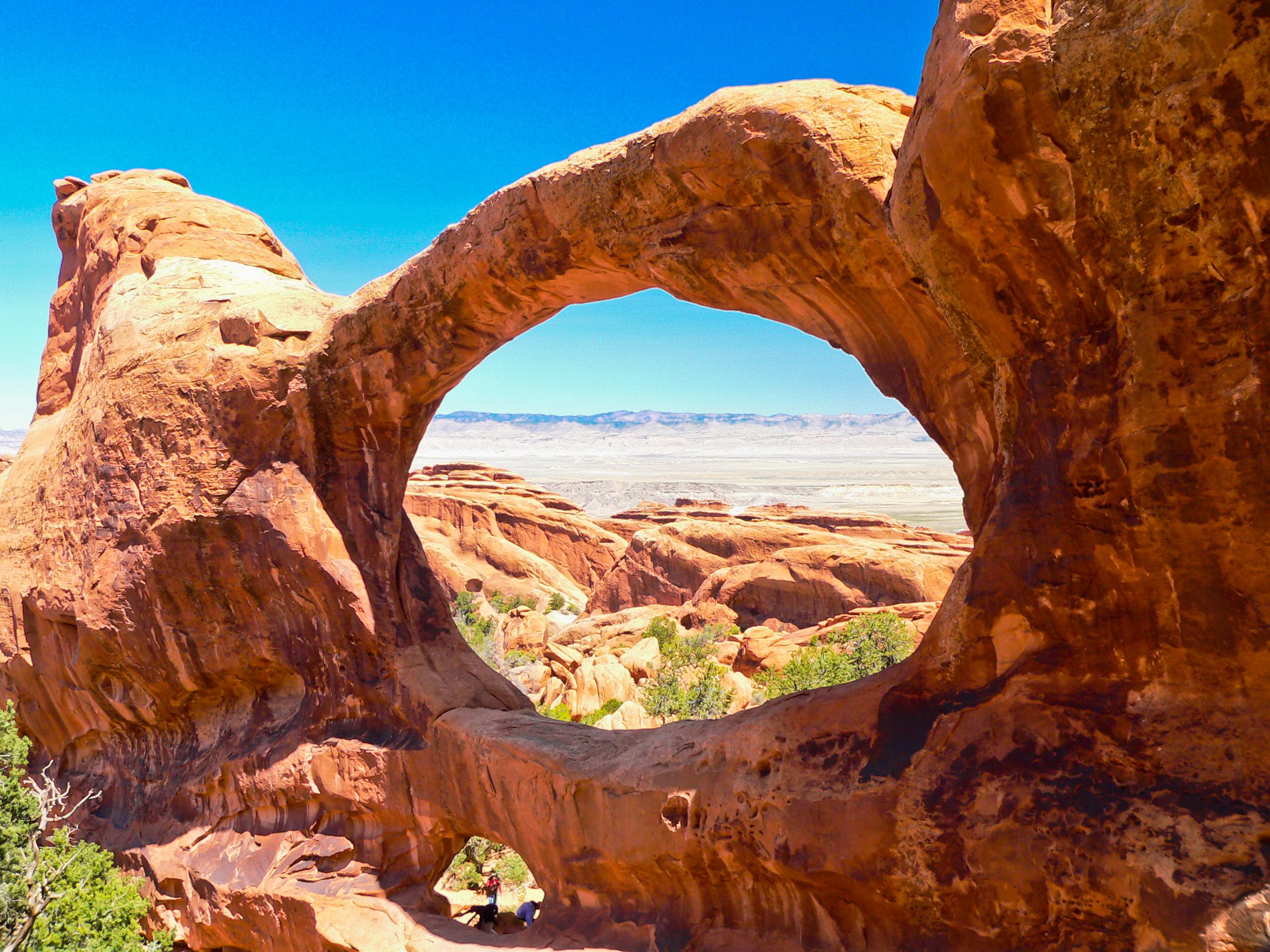
Tourists can’t seem to stop getting kicked out of national and state parks- and it’s driving nature lovers absolutely nuts. These jaw-dropping landscapes may look like playgrounds, but they are not theme parks. From carving names into ancient rock formations to ignoring “stay on the trail” signs, too many visitors forget one simple truth: nature is fragile.
Park rangers are stepping in more often than ever, fines are stacking up, and plenty of Instagrammers have learned the hard way that rules exist for a reason. The red cliffs, canyons, mountains, and lakes aren’t going anywhere, but access to them might if people don’t start acting right.
When you enter a national or state park, you’re stepping into a protected space. Many parks are sacred to Native American tribes, and all are home to wildlife and delicate ecosystems. You wouldn’t trash someone’s house, so why do it to the land that sustains us?
Here are the fastest ways tourists get fined, removed, or permanently banned from national and state parks- and how to avoid becoming that person.
As an Amazon affiliate, when you click on some of the links on this page and make a purchase, we may earn a small commission, at no cost to you! By using our affiliate links, you’ll find our favorite picks and support us at the same time. And we really appreciate your support!
Disrespecting Rangers and Park Staff
Park rangers and staff are the backbone of our parks. They maintain trails, protect wildlife, assist visitors, and respond to emergencies. This applies to everyone working in the park- from rangers and volunteers to gift shop employees.
Disrespectful behavior, arguments, or outright hostility toward staff is one of the quickest ways to get escorted out. Rangers aren’t there to ruin your trip, they’re there to keep people safe and the park protected. Treat them like humans doing their jobs.
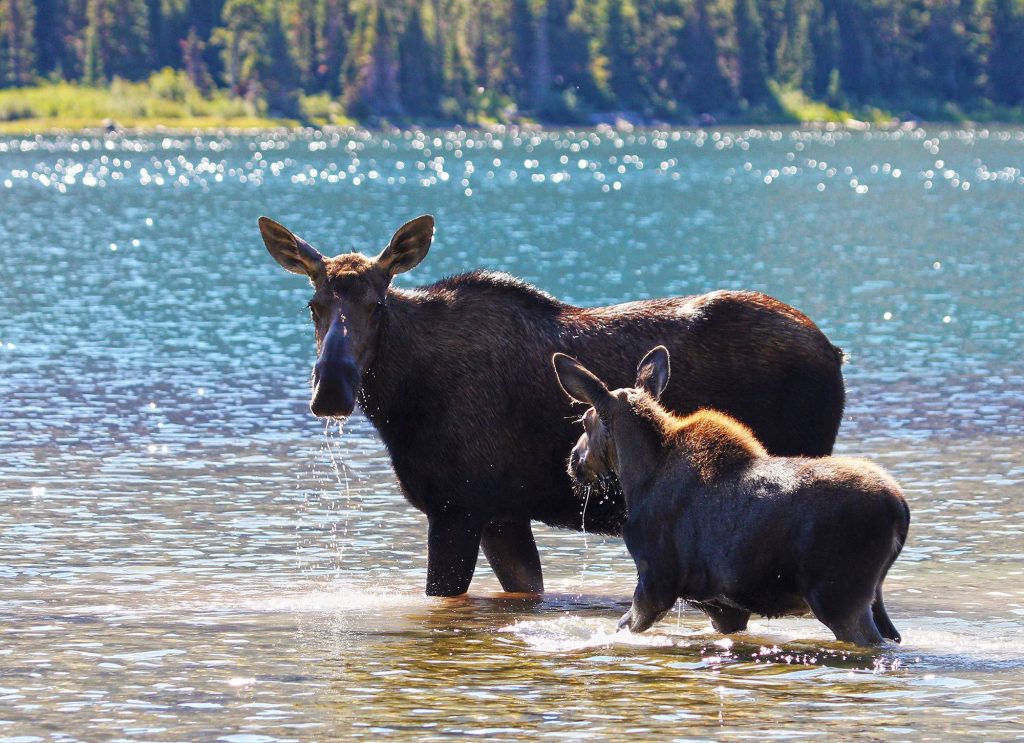
Ignoring Wildlife Safety Rules
Yes, bison look fluffy. No, they are not friendly. That baby cougar? Still a predator.
Approaching wildlife, feeding animals, or trying to get the “perfect close-up shot” is dangerous- for you and the animals. Wildlife that becomes habituated to humans often ends up relocated or euthanized. They don’t know how to find food, they get lost, etc.
The rules are simple: keep your distance, stay quiet, don’t feed animals. You’ll still get amazing photos- just without a hospital visit or citation.
Ignoring Fire Safety Regulations
Campfires are cozy… until they aren’t. Leaving fires unattended, burning during fire restrictions, or failing to fully extinguish flames can cause devastating wildfires.
Each park has specific fire rules, fire rings, fire pits, seasonal bans. Know them before you go. One careless fire can destroy ecosystems, wildlife habitat, and entire communities. We like taking our fire ring when we camp. Personally, I feel it’s safer with keeping sparks from flying out. We got this on Amazon.
Rangers take fire violations extremely seriously and for good reasons.
Ignoring Posted Park Rules
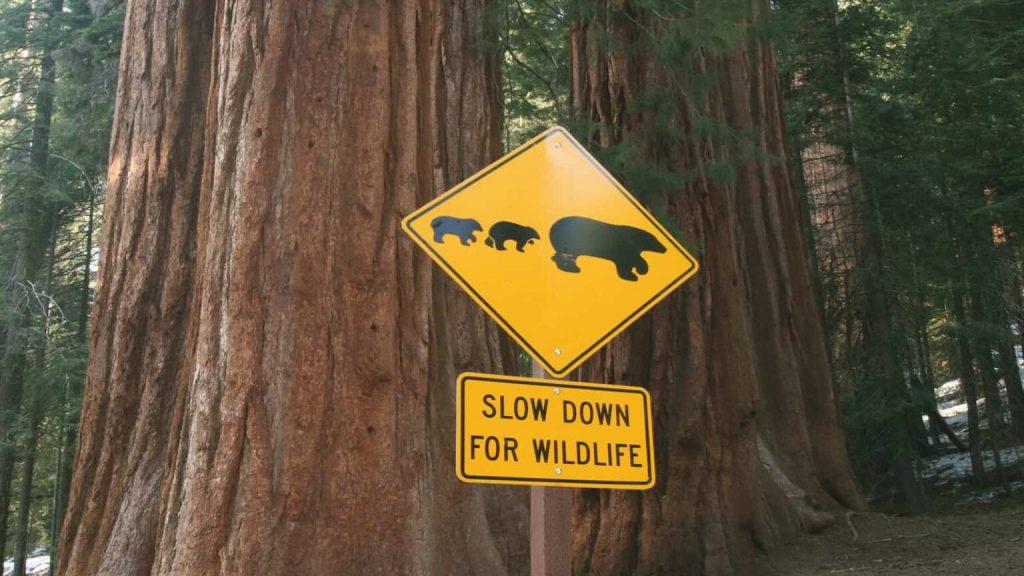
“Don’t climb on the rocks.” “Stay on the trail.”
Those signs aren’t suggestions. They exist because rangers understand the terrain, wildlife risks, and fragile environments better than visitors do.
Stepping off trails can destroy plant life, disturb nesting animals, or put you in real danger (hello, rattlesnakes). Even moving rocks in streams can disrupt fish habitats and damage ecosystems.
Rules protect both you and the park for future generations.
Littering and Vandalism
Pack it in, pack it out. It’s that simple.
Trash left behind harms wildlife, pollutes water sources, and ruins the experience for everyone else. Backcountry travel requires knowing how to properly dispose of waste -ignorance isn’t an excuse.
Graffiti, carving names, or removing artifacts is vandalism and theft. These offenses come with hefty fines and, in some cases, jail time. No exceptions.
Unauthorized Off-Roading
Off-roading outside designated areas destroys soil, vegetation, and wildlife habitat. Creating “new trails” causes long-term damage that can take decades to heal.
Stick to marked roads and trails. Unauthorized off-roading is one of the fastest ways to earn fines or receive a permanent ban.
Bringing Pets into Restricted Areas
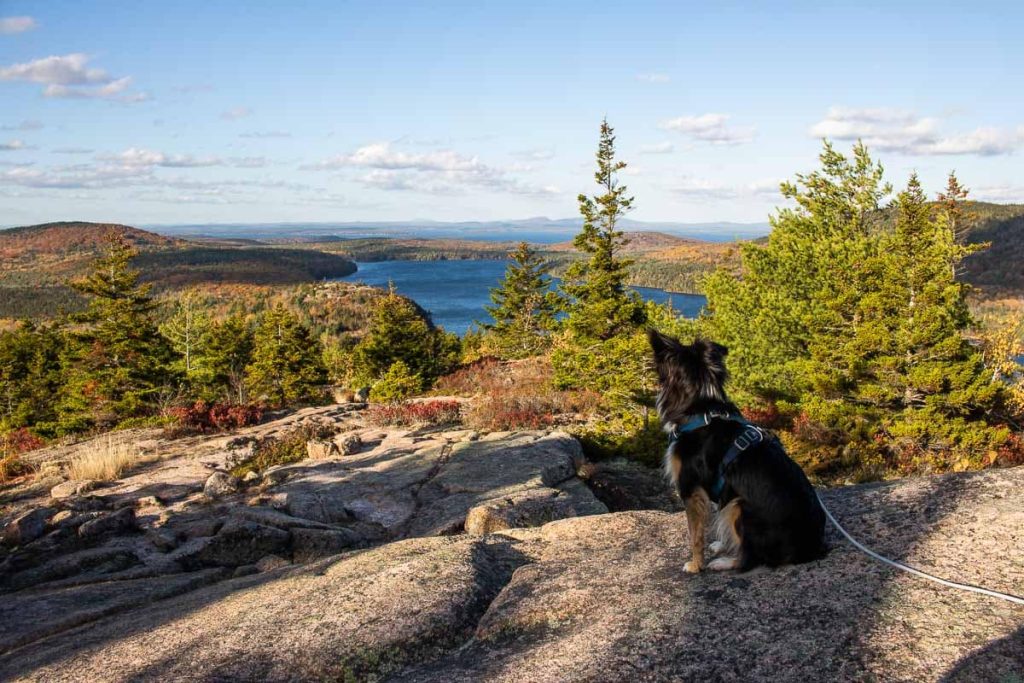
We love dogs. Parks do too -but only in certain places.
Some areas require leashes, while others prohibit pets entirely to protect wildlife and fragile ecosystems. Ignoring pet rules can put your animal at risk and disrupt native species. The last thing you want if for your pet to get hurt.
Always check pet regulations before you arrive. A lot of parks require dogs to be leashed, and the leash can’t be longer than 6 feet. We found this one on Amazon. I like that the handle is comfortable with a ring to hook the waste bags. It is also reflective, so that comes in handy for night walks.
Excessive Noise
Nature isn’t a nightclub.
Loud music, shouting, and rowdy behavior disturb wildlife and other visitors. Many parks enforce quiet hours, and repeated complaints can lead to removal. Be considerate of other people in the park.
If you came for peace and scenery, don’t ruin it for everyone else.
Ignoring Trail Etiquette
Trail etiquette matters. Stay on marked paths, yield when appropriate, and give others space.
Blocking trails, cutting switchbacks, or refusing to share the path makes for unsafe and unpleasant experiences. Rangers don’t enjoy issuing fines – but they will.
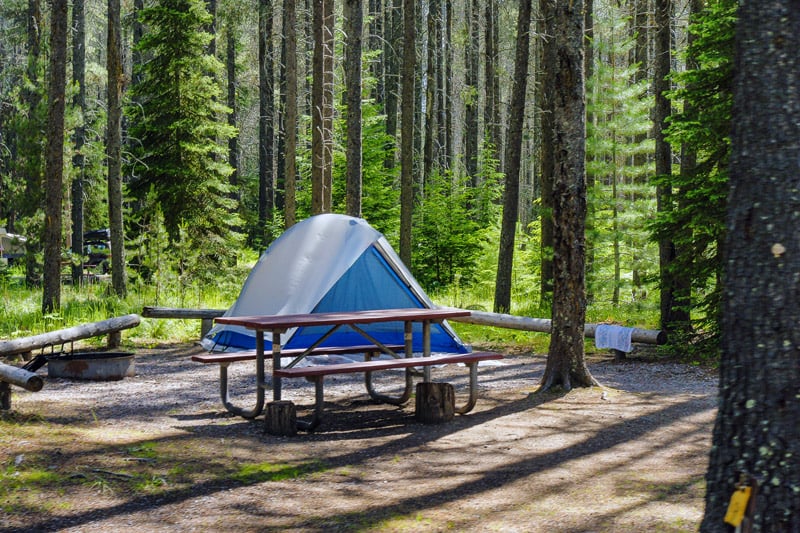
Illegal Camping
Camping outside designated areas damages ecosystems and puts visitors at risk. Parks establish campsites to minimize impact while keeping campers safe. Most campsites also have a few amenities to make life a little easier.
Setting up camp wherever you want can result in fines or removal- sometimes in the middle of the night (not fun).
Final Thoughts
Visiting national and state parks is a privilege, not a right. The rules aren’t unreasonable, most exist to protect you, wildlife, and the land itself. And with even more people traveling to these parks than ever before, protecting their fragility is even more important.
If you treat nature like your outdoor home, following the rules becomes second nature. Learning and practicing the 7 Principles of Leave No Trace will keep you on the right side of park regulations almost everywhere you go.
Next Read: Preserve the Wild: Basic Guide to Leave No Trace
Do a little research before your trip, respect the land, and you won’t just avoid fines, you’ll help ensure these incredible places remain open, wild, and beautiful for years to come. We want to pass on tips and information that we learn along the way to help make planning your next trip easier and helping you to keep safe. We hope to inspire you to find your adventures, have lots of fun and make many memories.