

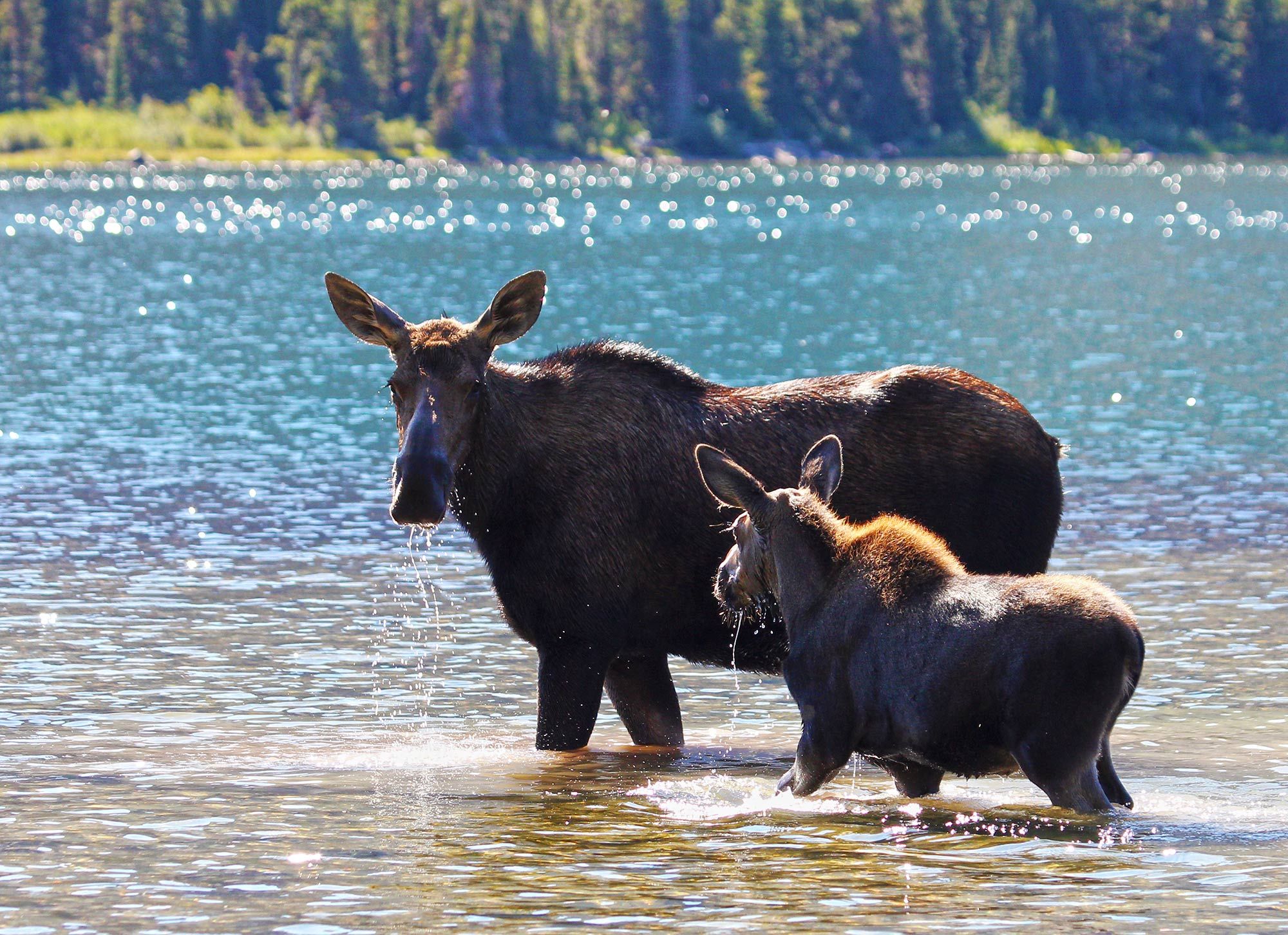
One of the most exciting reasons to visit America’s national parks is the chance to see wildlife in their natural habitats. With 63 designated national parks and over 84 million acres of protected land, these destinations are some of the best places in the world to spot everything from bison and bears to whales and bald eagles.
Of course, with any wildlife adventure, it’s important to remember that these animals are wild. Always keep your distance, respect their space, and follow Leave No Trace principles to ensure these incredible habitats stay protected for future generations.
If you’re a nature lover, birder, or animal enthusiast, here are the best national parks for wildlife viewing in the U.S.
This post includes some affiliate links. If you make a qualifying purchase through one of these links, we will receive a small percentage of the sale at no additional cost to you. Thanks for your support.
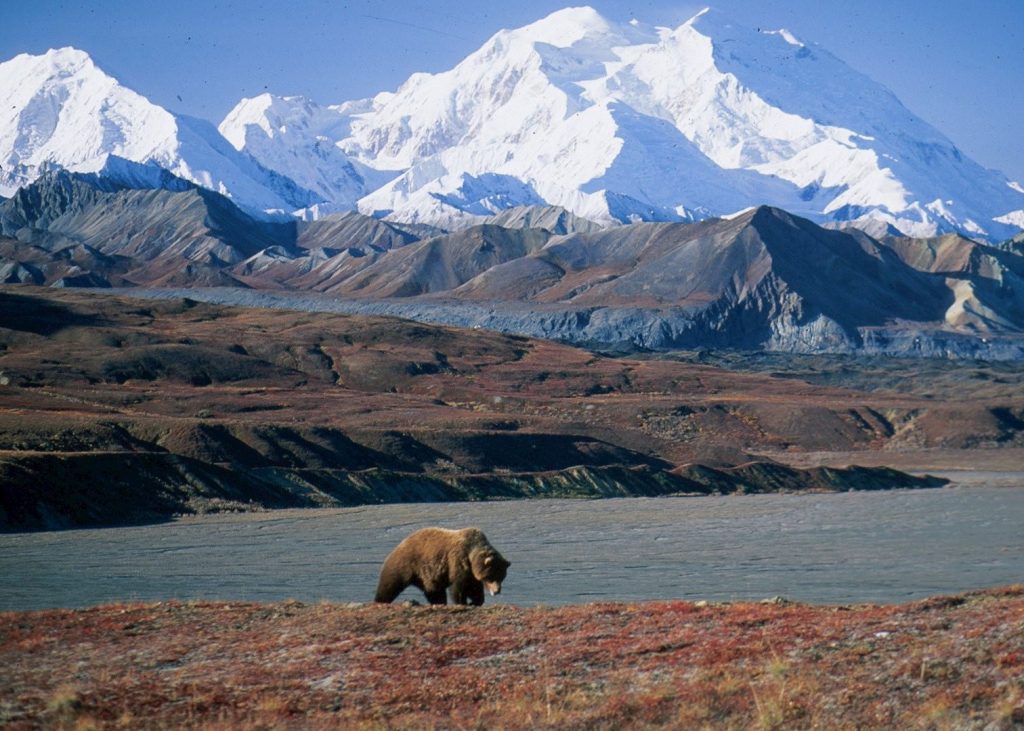
Alaska National Parks: Big Wilderness, Big Wildlife
Denali National Park & Preserve- Alaska
Thirty-nine species of mammals, ranging in size from the diminutive shrew to the imposing moose, call this park home. Grizzlies, Dall sheep, caribou, wolves, foxes, snowshoe hares, and otters are abundant and relatively easy to view. The best way to see wildlife here is by bus traveling along Denali Park Road. Sitting high in a bus, as opposed to low in a car, allows you to see over the brush that lines the roadside.
Spring and summer are the best times to see migratory birds from all over the globe, over 160 species. You’ll find Trumpeter swans, Golden Eagles, and Gyrfalcons (the worlds largest falcon) just to name a few. Be sure to bring your binoculars.
Glacier Bay National Park & Preserve-Alaska
Wildlife in Glacier Bay National Park and Preserve in Alaska varies greatly from season to season. Late spring and summer are the driest months and the most popular time for visitors. In spring, bears start to come out of hibernation. Summer is the time to arrive if you want to see one of the park’s most popular spectacles: humpback whales jumping out of the water. You can also catch sight of harbor seals and their pups, killer whales, and harbor porpoises. Mountain goats and Billy goats are active during the summer.
The colder months are best for viewing Stellar sea lions on Benjamin Island. Beavers and Moose bucks, with full racks, are busy in October. In November, thousands of bald eagles gather on the Chilkat River near Haines. Bird watchers can find 182 species of sea birds, including at risk Marbled Murrelets.
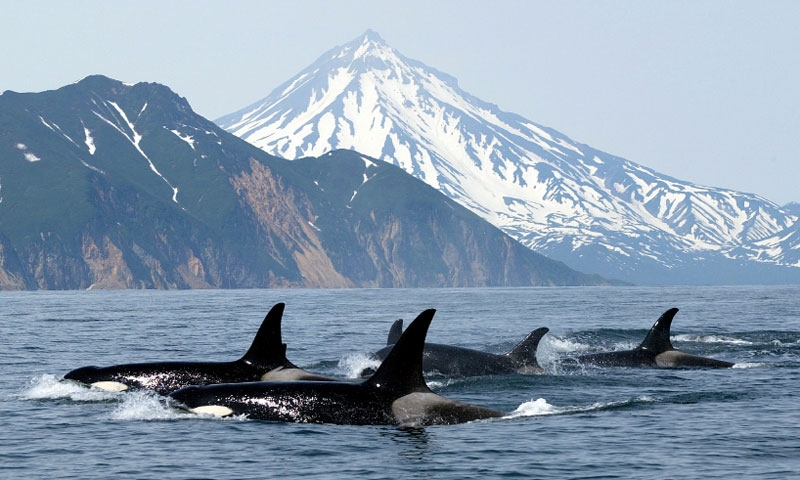
West Coast Parks: From Mountains to Ocean
Mount Rainier National Park- Washington
For most people, spotting a bear in the wildlife is a highlight of their trip and they do happen quite often in the spring and fall. Other mammals you might see include coyotes, often spotted in Box Canyon and along Stevens Canyon Road, and red foxes, which frequent the Paradise and Longmire picnic areas. You can see two types of deer year-round, the Columbian black-tailed deer populates the park’s western side and Mule deer are in the eastern part of the park.
From owls to water birds, you’ll find several species at Mount Rainier. The endangered Northern Spotted Owl makes its home here. As you rise to higher elevations, you will find different bird species.
Olympic National Park- Washington
There aren’t a lot of places where you can see whales and bears in a single day. Olympic National Park in Washington State is one such unique location. Known for its biodiversity, it comprises three separate ecosystems, glaciers, coastline, and temperate rainforest.
Just offshore, whales, dolphins, sea lions, seals, and sea otters feed in the Pacific Ocean. In the forests and meadows, is where you’re likely to see American Black Bears, Blacktail Deer, and Roosevelt Elk. Mountain lions and bobcats are harder to spot, but you might catch one stalking on a mountainside or near a stream. There are over 62 species of mammals here, so you’re sure to see wildlife. Early morning and dusk offer the best opportunities for spotting one of these animals. It also known for many bird species, so birdwatchers should put Olympic on their bucket list.
Channel Islands National Park- California
Nicknamed the “Galápagos of North America”, Channel Islands is home to the world’s largest population of blue whales. You will also find humpback, fin, gray and orca whales. Visitors may also see dolphins, sea lions, and elephant seals. Birders can spot over 290 bird species, making this park a dream destination for marine and avian wildlife lovers.
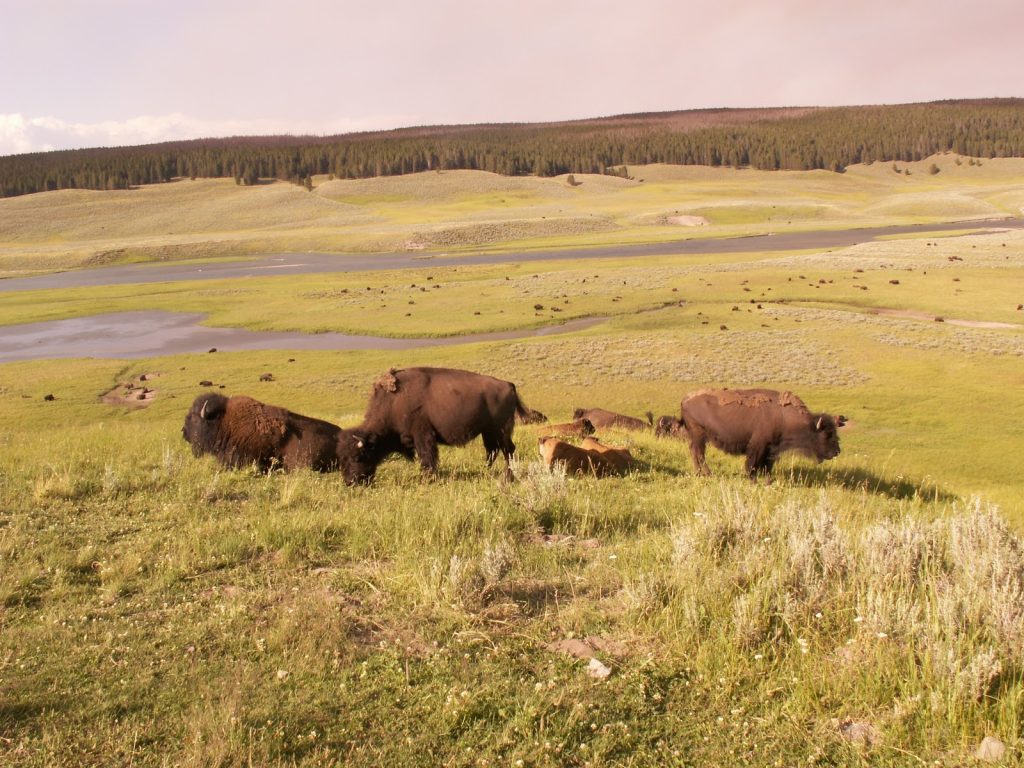
Western Parks: Iconic American Wildlife
Yellowstone National Park- Idaho, Montana and Wyoming
Yellowstone is best known for “Old Faithful” and the big herd of buffalo, but did you know that this is the largest free-roaming buffalo here in the U.S.? Not only are there plenty of buffalo to see here, but there is a large herd of elk.
Yellowstone is also home to one of the last grizzly bear populations in the contiguous United States. A top location for spotting these impressive mammals is Lamar Valley. Spring, summer, and fall are the best times to visit the park for wildlife viewing. You can potentially see bears, buffalo and elk any time of day in the park, but you’ll have the best chances just after sunrise and before sunset.
Birders will find 300 species of birds to date, including raptors, songbirds, shorebirds, and waterfowl. Approximately 150 species nest in the park. Yellowstone has it all and is definitely a bucket list park.
Glacier National Park- Montana
Montana’s Glacier National Park is known for its bear population and is home to more grizzlies than anywhere else in the contiguous United States. You may be able to spot one of these large (and fast, up to 35 mph!) mammals anywhere in the park. Head out at dusk or dawn when the bears are most active as well as the other park animals and birds.
The Hidden Lake Overlook trail by the Logan Pass Visitors Center is a great place to see mountain goats and bighorn sheep. Birdwatchers will be happy to find 279 bird species with 144 species known to nest in the park. Raptors, songbirds, shorebirds, waterfowl, and more rely on Glacier’s diverse habitats and location along important migratory pathways.
Rocky Mountain National Park- Colorado
If you’re looking for big game, Rocky Mountain National Park won’t let you down. It is home to large herds of elk, bighorn sheep, mule deer and moose. There are more than 60 other mammal species in the park, not to mention 270 species of birds, fish and an abundance of butterflies.
Elk and mule deer are relatively easy to spot in the meadows pretty much all over the park. During the warmer months, spotting them will be easier at dawn and dush. You’re most likely to find the bighorn sheep near Sheep Lakes. Kawuneeche Valley in the willows by the Colorado River is where you will find moose.

Midwest Parks: Prairie Wildlife Wonders
Badlands National Park- South Dakota
One of the favorites in Badlands National Park is the Prairie dogs. These playful mammals live in “towns” throughout the park. The mammoth American Bison, declared the national mammal of the U.S. in 2016, is also abundant, numbering approximately 1,200 across the 244,000-acre park. They live primarily in the Badlands Wilderness Area and can best be viewed from the Sage Creek Rim Road.
Bighorn sheep are another of the large mammal favorites, and the park is home to about 250 of them. Other mammals may be seen throughout the park, including deer and coyotes. You can also see large birds of prey, 206 bird species, and lots of butterflies.
Theodore Roosevelt National Park- North Dakota
Theodore Roosevelt National Park is comprised of three separate sections of badlands in North Dakota, the North Unit, South Unit and Roosevelt’s Elkhorn Ranch. Both the North and South Units have a scenic drive as well as over 100 miles of trails for hiking and horseback riding.
The prairies are home to vast herds of bison along with a number of other large grazing animals such as elk, white-tailed deer, mule deer and wild horses. You’ll find plenty of prairie dogs along the way and may hear the yips of coyotes. Birders will find more than 185 species including some notable year-round residents including golden eagles, wild turkeys, black-capped chickadees, white-breasted nuthatches, and great-horned owls.
Big Bend National Park- Texas
If you want to learn about the rugged American west, Big Bend National Park in Texas, should be the next item on your bucket list. Next to the Rio Grande River on the border of Mexico, the wildlife of the Chihuahuan Desert knows no boundaries. You’ll see Roadrunners crossing the roads, along with Chuckwalla lizards. Coyotes trot through the landscape, while you’ll find black bears in the higher elevations. Ringtail, bobcat, deer, jackrabbits and many other species can be found here. Birdwatchers will find a variety of bird species here.
East Coast Parks: Wetlands and Forests
Everglades National Park- Florida
There are more than 200,000 alligators in Everglades Shark Valley, which make it very easy to spot them. The difference between an alligator and its close family member, the crocodile, which also lives in the park, is their snout shape, with the former bearing a U-shape and the latter a V-shape. The Everglades is the only place in the world where these two species live together. Traveling the 15-mile Shark Valley Tram Road will take you to the alligators, and time at Flamingo Marina will allow you to observe crocodiles in their natural habitat and the popular manatee.
There are also more than 40 species of mammals in the park, including white-tailed deer, bobcats, and the marsh rabbit, which can sometimes be seen taking a swim. There are gray foxes, the only fox species that can climb trees. Playful river otters are often spotted in Shark Valley. The Everglades are also one of the best places for birdwatchers, with over 360 species living in the park.
Great Smoky Mountains National Park- Virginia and Tennessee
This park is famous for black bears, one of the largest concentrations in the U.S., however there is not a place where you can go and watch the bear. These bears are wild and if you encounter one, be sure you know what you should do. Check the park website to learn bear safety before you head out. You will also encounter elk, white-tailed deer, bobcats, and hundreds of species of salamanders, birds, and amphibians in the lush Appalachian forests that cover this park.
Acadia National Park- Maine
Remember when we said that Olympic National Park was unique in that you can see whales and bears on the same day? Well, Acadia is it’s east coast twin. You will find black bears and whales all in the same park. Other wildlife you will find are coyotes, white-tailed deer, fox and an occasional moose among others. Near the ocean you will find seals, dolphins and whales to entertain you.
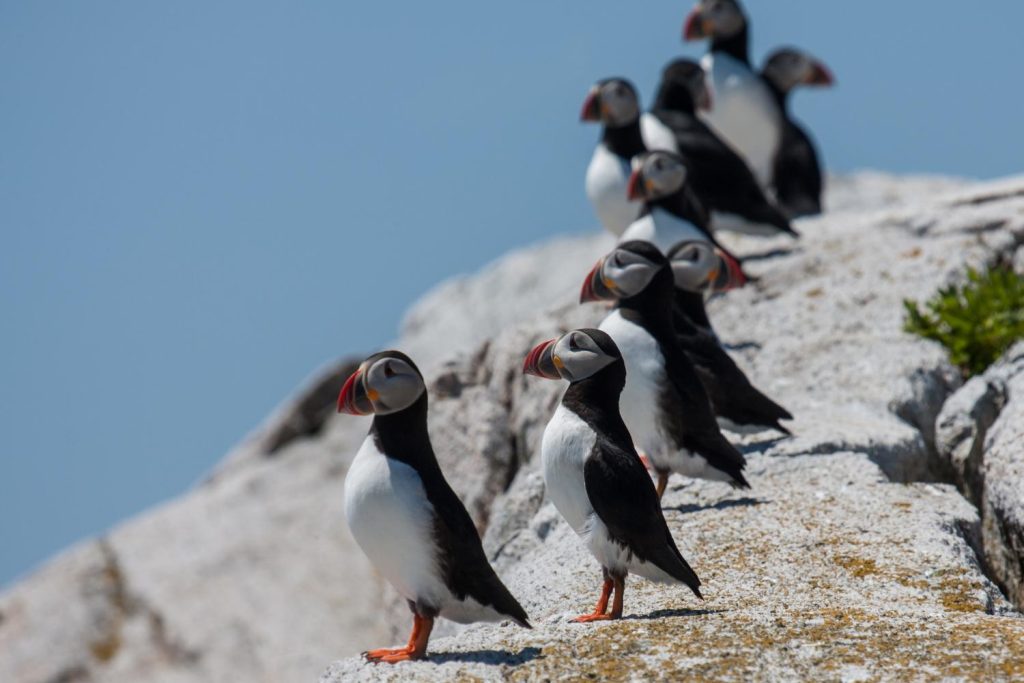
Birdwatchers will be thrilled to find 338 species of birds, including the predatory Peregrine falcons, bald eagles, kestrels, hawks, herons and a variety of songbird species.
Final Thoughts: Where to See Wildlife in U.S. National Parks
From the buffalo of Yellowstone to the blue whales of Channel Islands and the alligators of the Everglades, America’s national parks offer unforgettable wildlife encounters. Whether you’re a seasoned birder, an animal lover, or just hoping to spot your first moose, these parks deserve a spot on your travel bucket list.
Remember, observe wildlife responsibly. Keep your distance, respect their space, and enjoy the thrill of seeing these amazing animals in their natural homes. If you’re planning to visit multiple parks this year, consider getting the America the Beautiful Pass, it can save you money on entrance fees. If you need help planning your trip, check out roadtrippers.com. They have great ideas to help you. Use code BTR5QTP to save $5.
We love to pass on information and tips we learn along the way for you to use when planning your trips. We hope to inspire you to find your adventures, have fun and make lots of memories.