

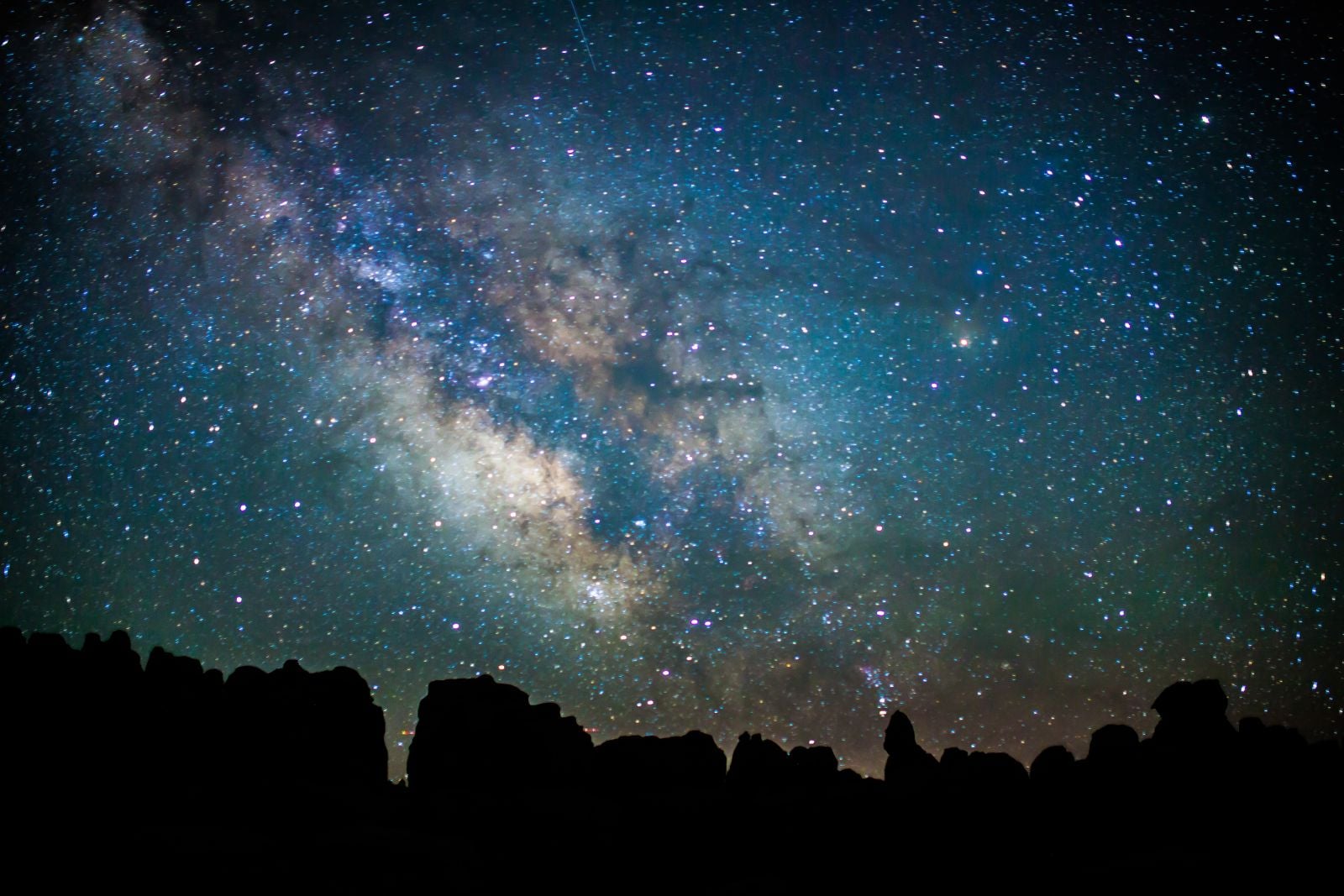
There’s something different about a truly dark sky.
Not “suburban backyard” dark. Not “I can see three stars if I squint” dark. I’m talking about the kind of night where the Milky Way stretches across the sky and you suddenly understand why ancient cultures built stories around the stars.
More than 40 sites within the National Park System are certified as International Dark Sky Places, and many of them are officially designated Dark Sky Parks. These parks actively protect their night skies from light pollution and offer educational programming to help visitors experience the cosmos the way it was meant to be seen.
If you love national parks but want a quieter, more magical experience, these U.S. Dark Sky Parks deserve a spot on your travel bucket list.
As an Amazon affiliate, when you click on some of the links on this page and make a purchase, we may earn a small commission, at no cost to you! By using our affiliate links, you’ll find our favorite picks and support us at the same time. And we really appreciate your support!
What Is a Dark Sky Park?
Not all International Dark Sky Places are parks. There are five categories: Dark Sky Parks, Dak Sky Reserves, Dark Sky Sanctuaries, Dark Sky Communities, andUrban Night Sky Places.
A Dark Sky Park is a protected public space committed to preserving natural darkness. Unlike sanctuaries (which are typically remote and highly restricted) or reserves (which must be at least 700 square miles), parks are more visitor-friendly and offer regular educational programs, ranger talks, and stargazing events.
As of late 2025, there were over 200 Dark Sky Parks worldwide and the majority are in the United States, many in the Southwest where dry air and remote landscapes create near-perfect stargazing conditions. Now, let’s see where they are.
Best Dark Sky National Parks in the United States
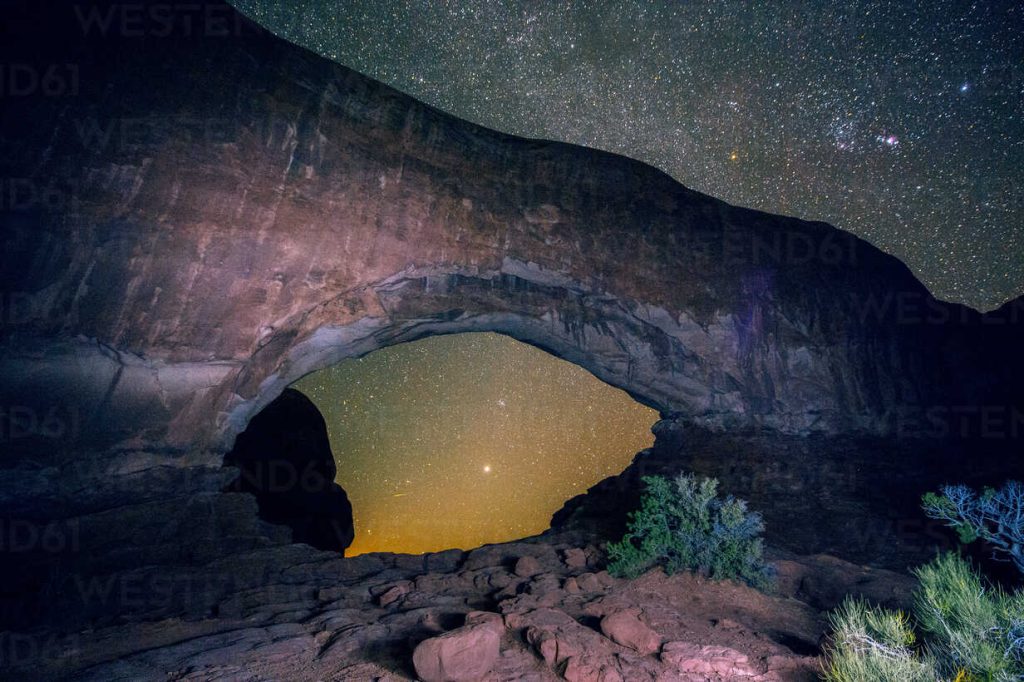
Arches National Park – Utah
Famous for its 2,000+ sandstone arches, Arches turns into a completely different world after sunset. Located near Moab but far enough from major cities, it offers incredibly low light pollution. It earned its prestigious International Dark Sky Park Silver Tier designation in 2019.
On moonless nights, the Milky Way arches right over Delicate Arch, and yes, it’s as dramatic as it sounds. Visit during a new moon for the best visibility.
Pro Tip: As you’ll see Utah has the most Dark Sky National Parks. Plan your trip to see as many of these beautiful parks as possible.
Big Bend National Park – Texas
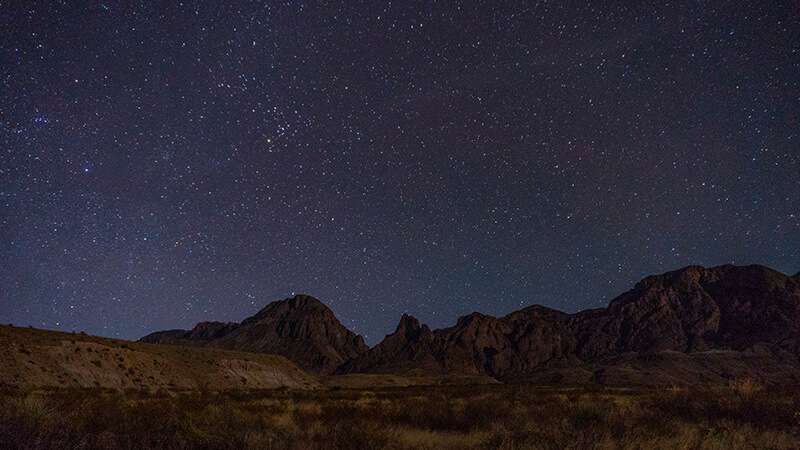
If you want serious darkness, Big Bend delivers. This remote Chihuahuan Desert park is one of the least visited in the lower 48, which is exactly why the night skies are phenomenal. Nestled in the dramatic curve of the Rio Grande River that forms the natural boundary between Texas and Mexico, Big Bend National Park received its Dark Sky Park designation in 2012, making it one of the earliest national parks to gain this recognition.
Big Bend is often ranked among the darkest skies in North America. When you’re standing under that sky with nothing but desert silence around you, it feels almost otherworldly.
Black Canyon of the Gunnison National Park – Colorado
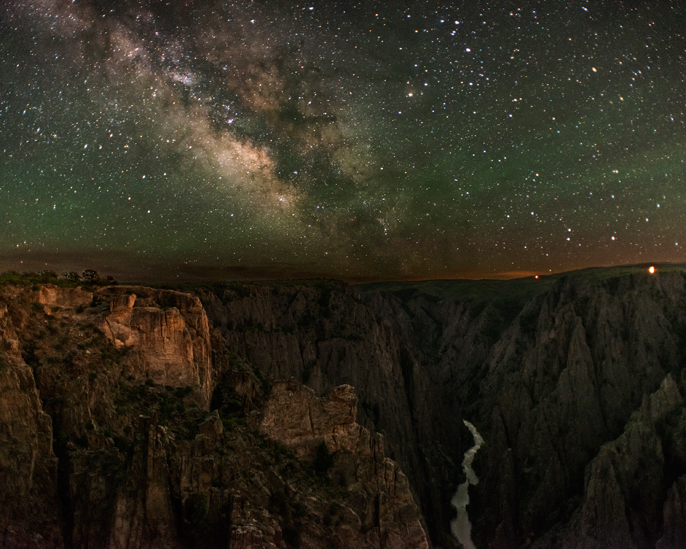
Designated as an International Dark Sky Park in 2015, Black Canyon of the Gunnison National Park is pure wilderness in western Colorado. At its center lies the dramatic Black Canyon itself, where the persistent Gunnison River has carved through ancient Precambrian schist and gneiss to create a chasm nearly 700 meters deep. The canyon derived its name from the perpetual shadows cast along the river below, where sunlight barely reaches due to the extreme vertical walls.
This park is dramatic by day and even more powerful at night. The canyon’s steep walls create deep shadows, and the park maintains strict lighting standards to protect its darkness. Plan around the new moon and you’ll see the Milky Way rising above one of the most rugged landscapes in Colorado.
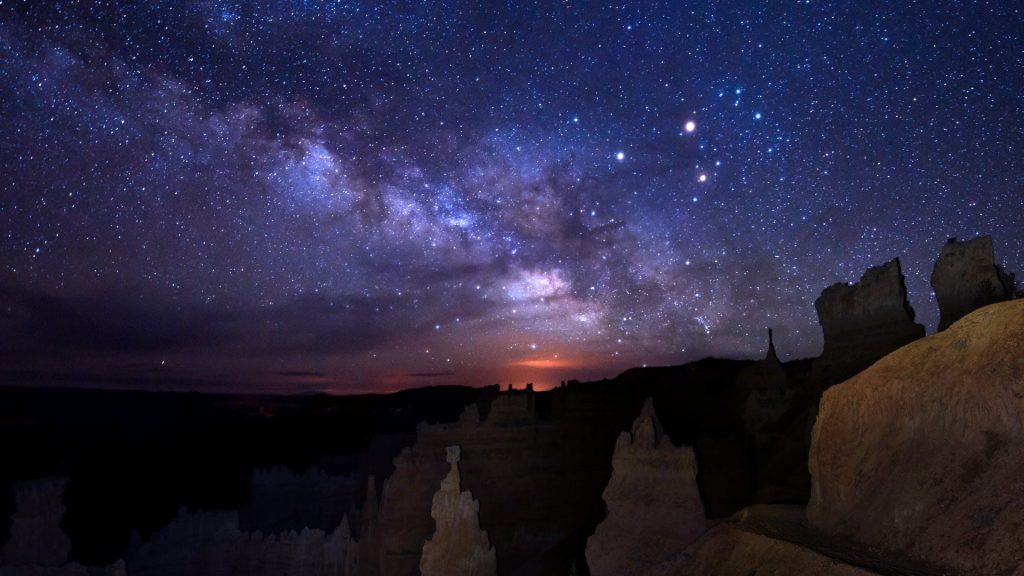
Bryce Canyon National Park – Utah
Utah is basically the overachiever of dark sky destinations, and Bryce Canyon is one of its brightest stars. Bryce Canyon National Park was awarded Dark Sky’s “Gold Tier” status in 2019 thanks to its remote location and clear air. Known for its crimson hued, spire-shaped rock formations called “hoodoos,” this park is an all day destination.
At over 8,000 feet in elevation, with dry air and minimal light pollution, Bryce offers some of the clearest night skies in the country. The park even hosts an annual Astronomy Festival and regular ranger-led stargazing programs.
Watching the Milky Way hover over hoodoos? Bucket list moment!
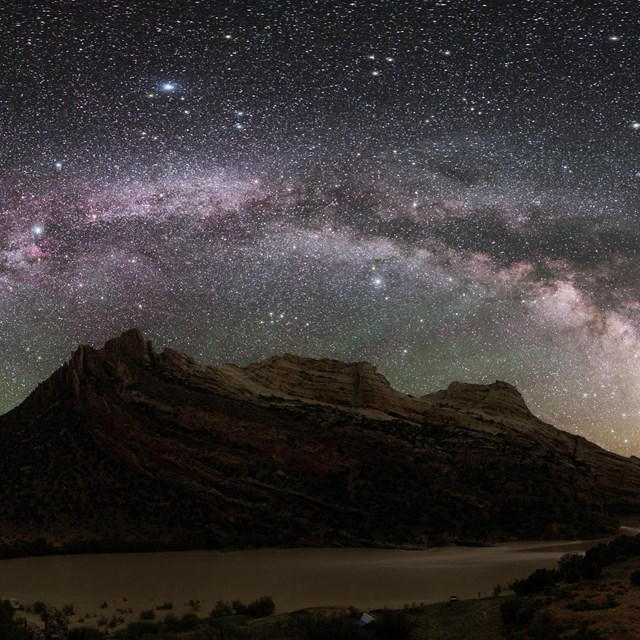
Canyonlands National Park – Utah
Remote, Wild, and Vast. Canyonlands feels untouched and that’s exactly why it’s incredible for stargazing. The Island in the Sky district is especially popular for sunset-to-starlight transitions. Designated as an International Dark Sky Park in 2015, Canyonlands National Park preserves spectacular wilderness at the confluence of the Colorado and Green Rivers.
Pair this park with nearby Capitol Reef or Arches for a full-on dark sky road trip. Venture into this remote landscape after sunset, particularly during new moon periods, where you will find unobstructed views of the Milky Way stretching across some of America’s darkest skies and complementing the otherworldly rock formations.
Pro Tip: If you want to take photos, you don’t need a specialized camera for personal photos, you can even use your phone if the camera has a Night Mode function. However, it is advised to use a tripod for better photos. We found this foldable travel tripod with a clip for cellphones. It’s lightweight and collapses making it easier for travel.
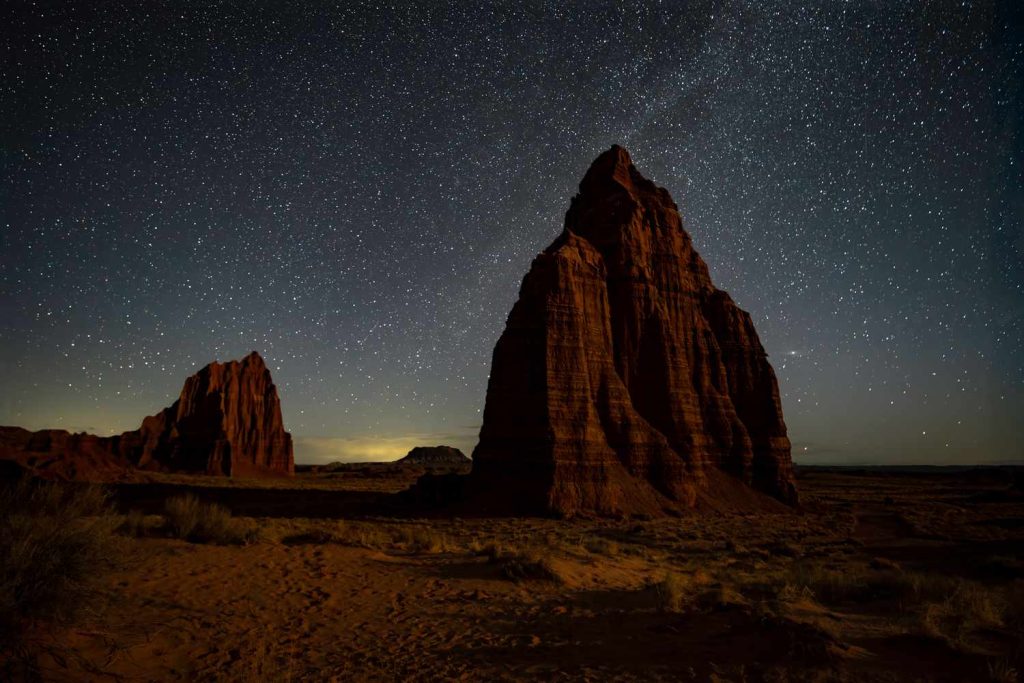
Capitol Reef National Park – Utah
Recognized as an International Dark Sky Park in 2015, the park derives its distinctive name from the white Navajo Sandstone formations that dominate its landscape, dome-shaped structures that early explorers thought resembled the United States Capitol building, and the “reef” of rocky cliffs that created a nearly impassable barrier for pioneer settlers.
Less crowded than its Utah neighbors, Capitol Reef keeps development minimal, which means minimal artificial light. If you want pioneer-era darkness with modern-day views of the Milky Way, this is your park.
You can’t beat Utah for great Dark Sky Parks!
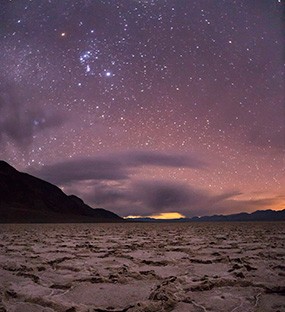
Death Valley National Park – California
Designated as an International Dark Sky Park in 2013, Death Valley National Park earned the prestigious Gold Tier status. This vast wilderness preserves some of the most pristine night skies remaining in the United States.
Yes, you’ll see a faint glow from Las Vegas in some areas, but much of the park offers breathtaking celestial views. Time your visit with the annual Dark Sky Festival for ranger talks and telescope viewing.
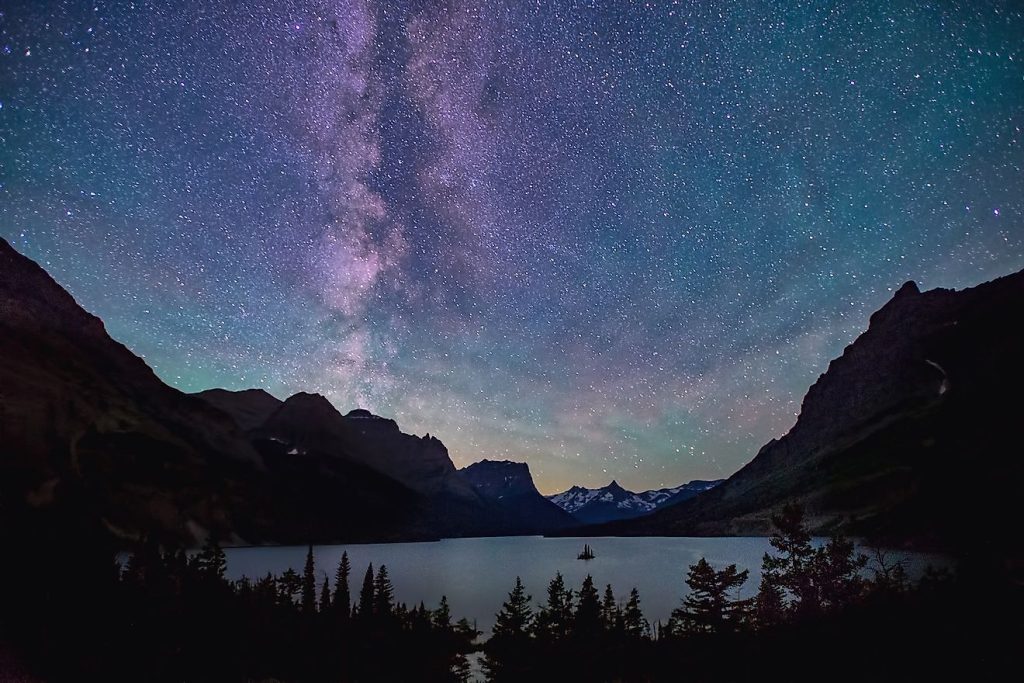
Glacier National Park – Montana
Glacier, along with Waterton Lakes in Canada, forms the first International Peace Park to receive Dark Sky recognition in 2017. This area is collectively known as Waterton–Glacier International Peace Park.
Towering peaks, alpine lakes, and crisp mountain air make this a stunning place to watch constellations rise over the Rockies.
Pro Tip: Bring a warm coat, even in summer, nights get cold at Glacier.
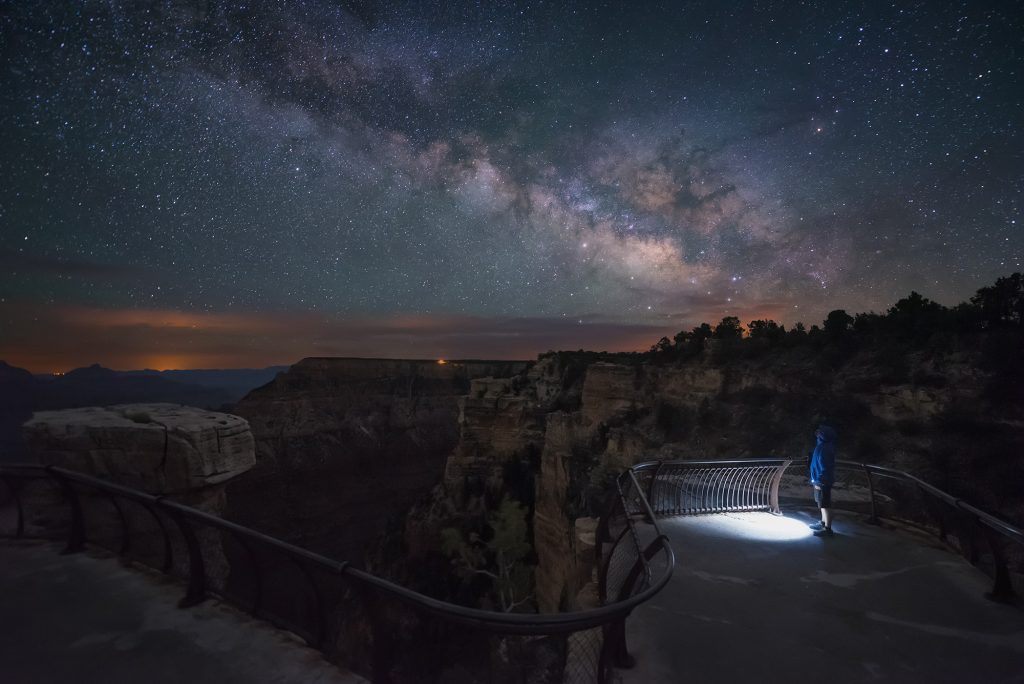
Grand Canyon National Park – Arizona
As if the canyon itself wasn’t impressive enough with its scenic trails and incredible vistas, it should be on every stargazer’s bucket list. It was designated an International Dark Sky Park in 2019 for its isolation amid some of the most remote territory in the lower 48 states.
The Grand Canyon’s remote location makes it ideal for stargazing. Extend your visit past sunset and you’ll see the canyon transform into a shadowy silhouette beneath an explosion of stars.
Pro Tip: There are plenty of places to stay inside the park and nearby which makes it a bit easier to plan for not only the Dark Skies but catching the sun setting. Make your reservations early though because the hotels fill up fast.
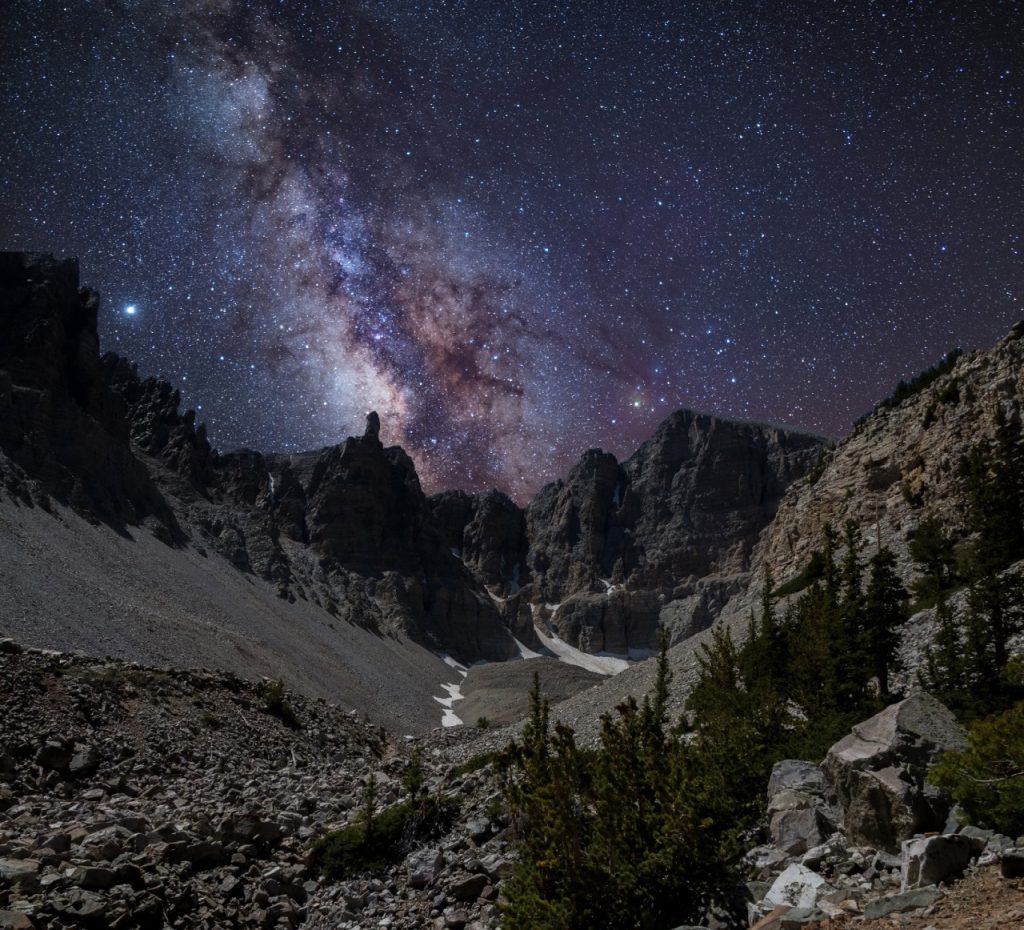
Great Basin National Park – Nevada
One of the most underrated national parks in the country and one of the darkest. Designated as an International Dark Sky Park in 2016, this park is also one of the least-visited national parks in the country.
Great Basin sits in one of the least populated regions of the continental U.S. Ancient bristlecone pines, alpine lakes, and Wheeler Peak create a surreal nighttime backdrop. The park’s exceptional darkness stems from its fortunate geographical position in the continental United States.
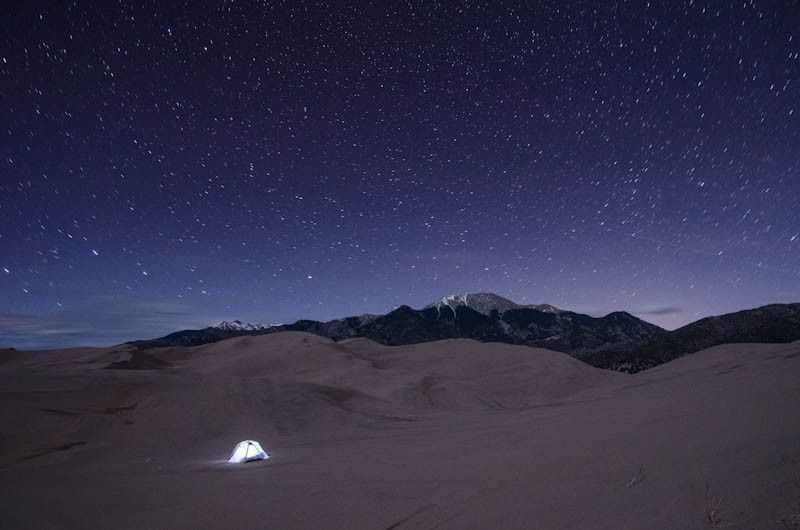
Great Sand Dunes National Park – Colorado
Awarded the prestigious International Dark Sky Park Gold Tier designation in 2019, Great Sand Dunes National Park and Preserve contain North America’s tallest sand dunes, forming a striking contrast with the towering Sangre de Cristo mountains that provide a dramatic backdrop to this natural wonder.
It’s also one of the quietest parks in the system. That silence at night? It makes the stars feel even bigger.
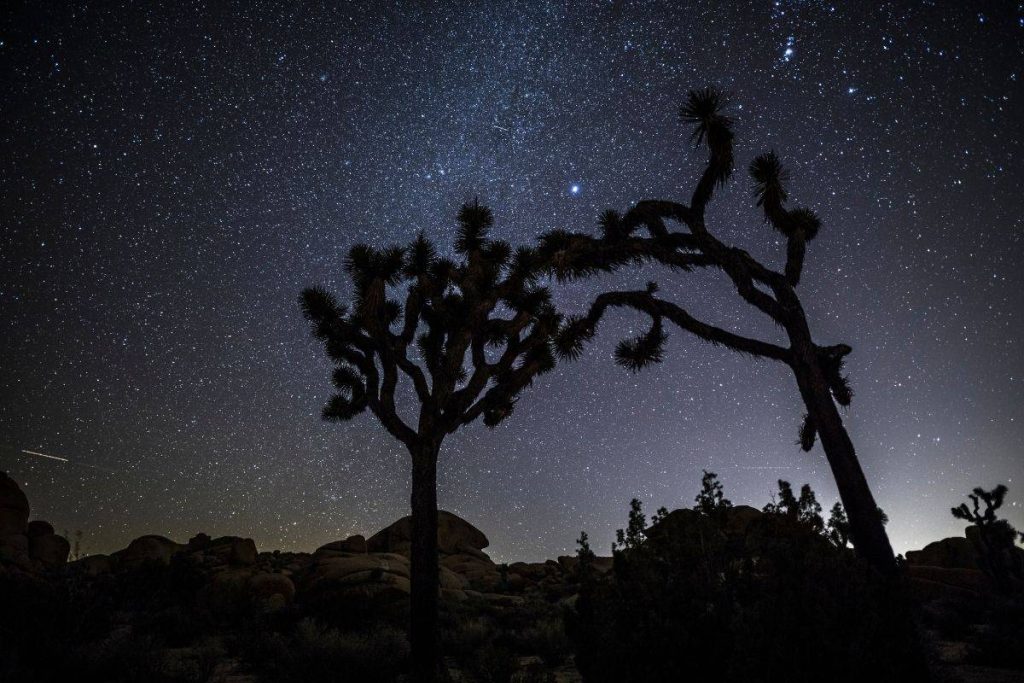
Joshua Tree National Park – California
Recognized as an International Dark Sky Park in 2017, Joshua Tree National Park encompasses protected wilderness at the convergence of two distinct desert ecosystems: the higher elevation Mojave Desert and the lower Colorado Desert.
Joshua Tree’s desert landscape becomes magical after sunset. The eastern side of the park has the least light pollution, especially in Pinto Basin.
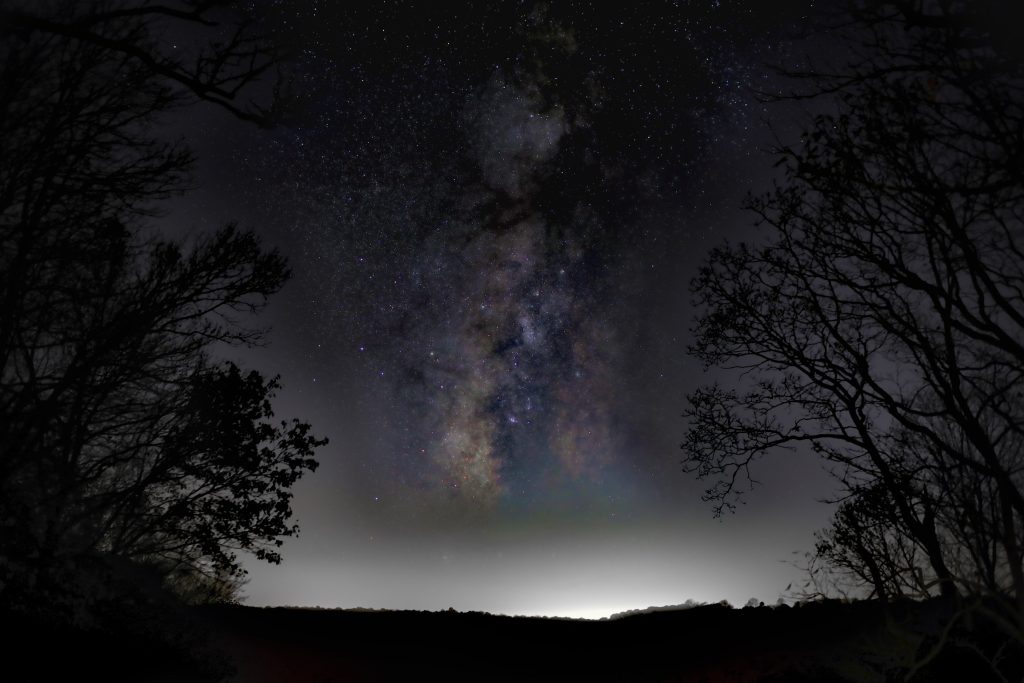
Mammoth Cave National Park – Kentucky
Known for the world’s longest cave system, Mammoth Cave also protects valuable night skies accessible to much of the eastern U.S.
Designated as an International Dark Sky Park Bronze Tier in 2021, Mammoth Cave National Park is known for housing the world’s longest known cave system, with an astonishing 412 miles of surveyed passages.
The park’s international recognition extends beyond its recent dark sky designation, having been named a UNESCO World Heritage Site in 1981 for its exceptional geological and ecological significance It’s a rare chance to pair underground exploration with above-ground stargazing.
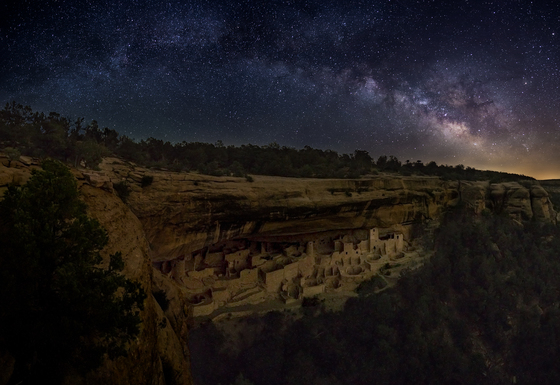
Mesa Verde National Park – Colorado
Recognized as an International Dark Sky Park in 2021, Mesa Verde National Park is known for its breathtaking cliff dwellings, but the night sky brings a whole new level of wow!
This park honors the celestial traditions of the Ancestral Puebloan people who once observed these same stars centuries ago. The park protects over 5,000 known archaeological sites, including remarkably preserved cliff dwellings, mesa-top villages, farming terraces, ancient reservoirs, and cultural rock art.
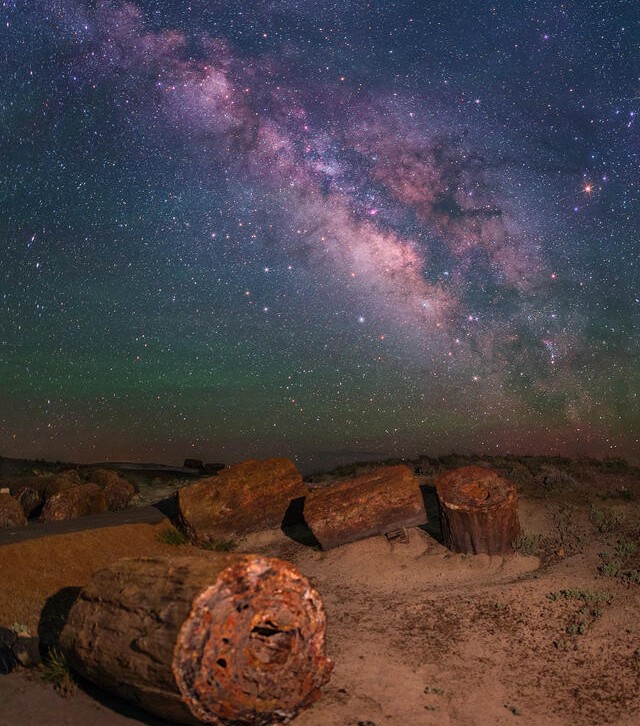
Petrified Forest National Park – Arizona
Petrified National Forest was designated a Dark Sky Park in June 2020. Dry air and extreme remoteness make this park ideal for stargazing, but access is limited at night unless you’re backcountry camping. Due to the park’s hours, the gates are closed from about dusk until around dawn.
However, several times a year, the park offers evening programs that offer opportunities to see the night skies. When the Milky Way stretches over ancient, fossilized trees, it’s unforgettable and worth going to the evening program.
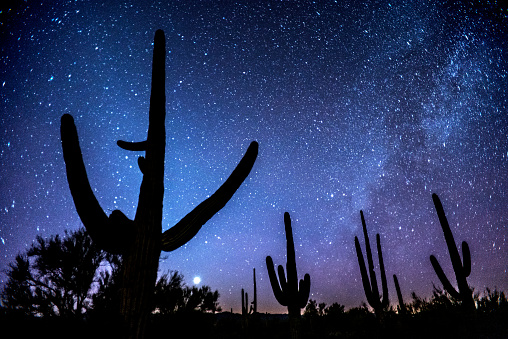
Saguaro National Park – Arizona
Located on both sides of Tucson, Saguaro is designated as an Urban Night Sky Place in 2023, which is impressive considering its proximity to a city. The park’s two areas: the Rincon Mountain District (East) and the Tucson Mountain District (West), showcase the iconic saguaro cactus, the defining symbol of the American Southwest, alongside diverse desert ecosystems that thrive in the transition between day and night cycles.
Thanks to Tucson’s strong lighting ordinances, you can still experience beautiful desert skies among towering saguaro cacti.
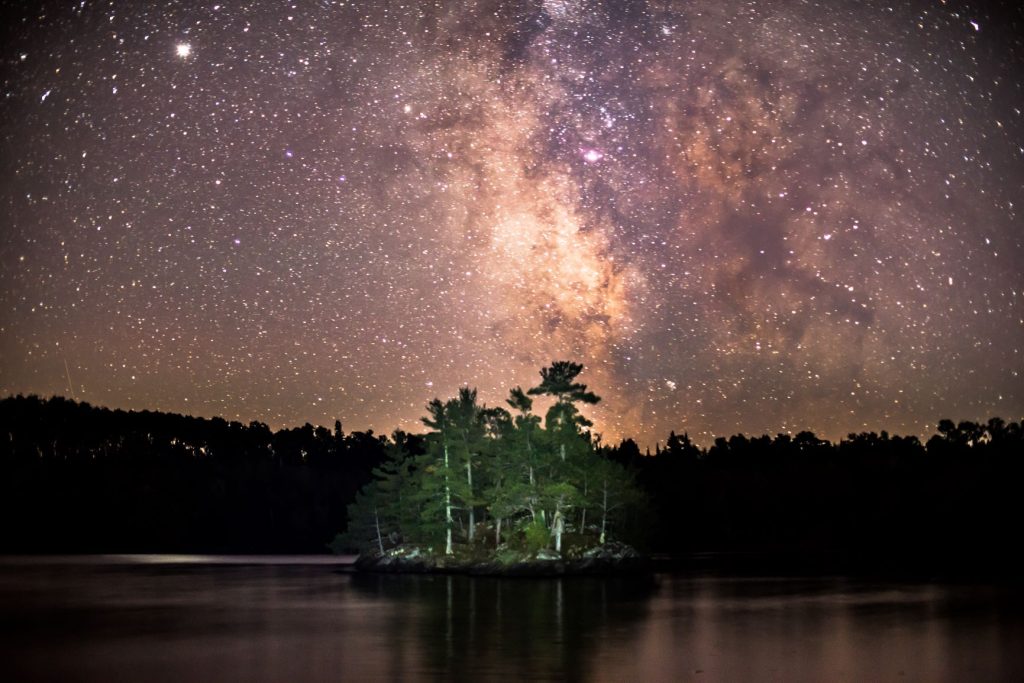
Voyageurs National Park – Minnesota
Water plus wilderness and darkness is why Voyageurs National Park was designated as an International Dark Sky Park in 2020. The park’s name honors the French-Canadian fur traders who were the first European settlers to regularly navigate this remarkable landscape of interconnected waterways
Voyageurs’ remote lakes and forested islands make it an exceptional location for meteor showers and Milky Way photography.
Bonus: You might catch the northern lights here, too.
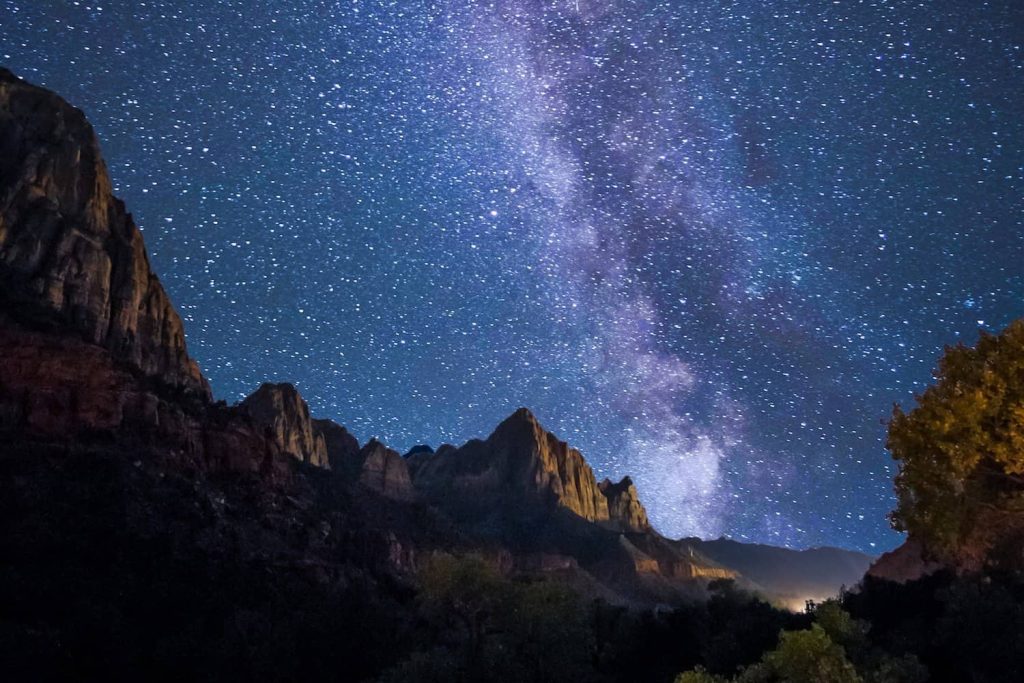
Zion National Park – Utah
Designated as an International Dark Sky Park in 2021, this geological wonderland features towering sandstone cliffs, narrow slot canyons, and expansive slickrock formations centered around Zion Canyon.
Zion’s massive sandstone cliffs look incredible at sunset but stay a little longer and the stars take over to a glorious night show.
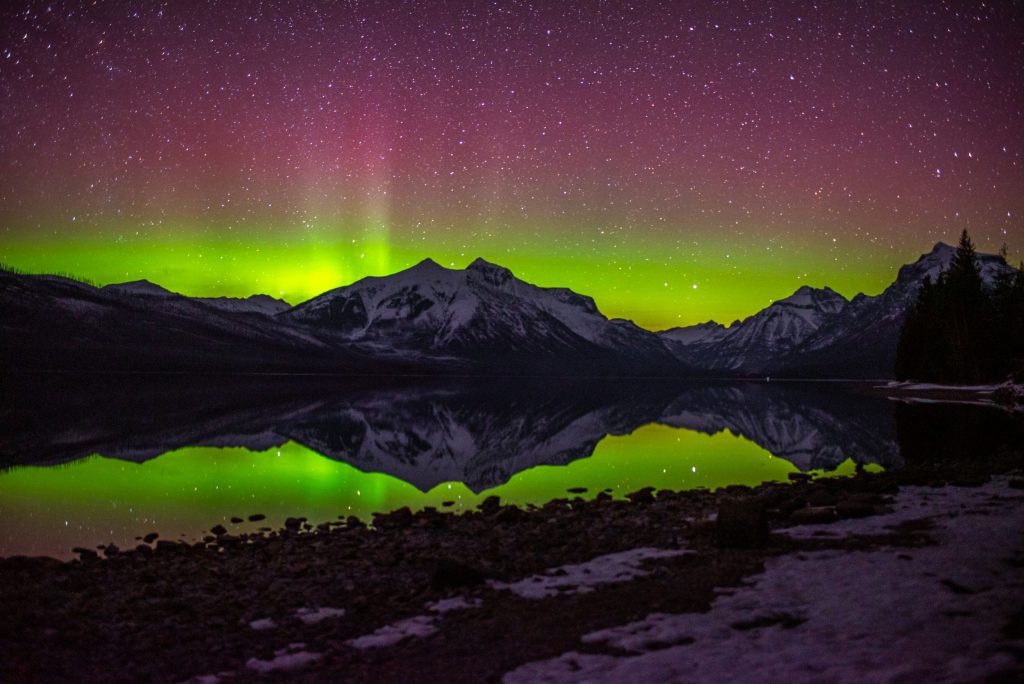
How to Choose the Best Dark Sky Park for Your Trip
If you’re traveling specifically for stargazing, here’s what to consider:
Accessibility – Some parks are easy to reach; others require serious planning.
Accommodation – Check whether the park has camping or lodging in the park or nearby. If you’re looking for a place to camp, Campspot.com is a great app.
Daytime Activities – You’ll want plenty to explore before sunset.
Weather & Moon Phase – Clear skies are critical. Plan around the new moon and check cloud forecasts before you go.
Read More: Best Time to Visit Dark Sky Parks for Stargazing
Final Thoughts on Visiting Dark Sky Parks in the U.S.
National Parks already offer incredible landscapes, but when night falls, they become something else entirely. You explore by day. You slow down at sunset. And then you look up.
If you’ve never stood under a truly dark sky, add one of these parks to your travel list. Once you see the Milky Way in full clarity, regular night skies just won’t cut it anymore.
We love to share tips and information we learn along the way to help you plan your next trip. We hope to inspire you to find your adventures, have lots of fun and make many memories.